By Jonathan Mbiriyamveka
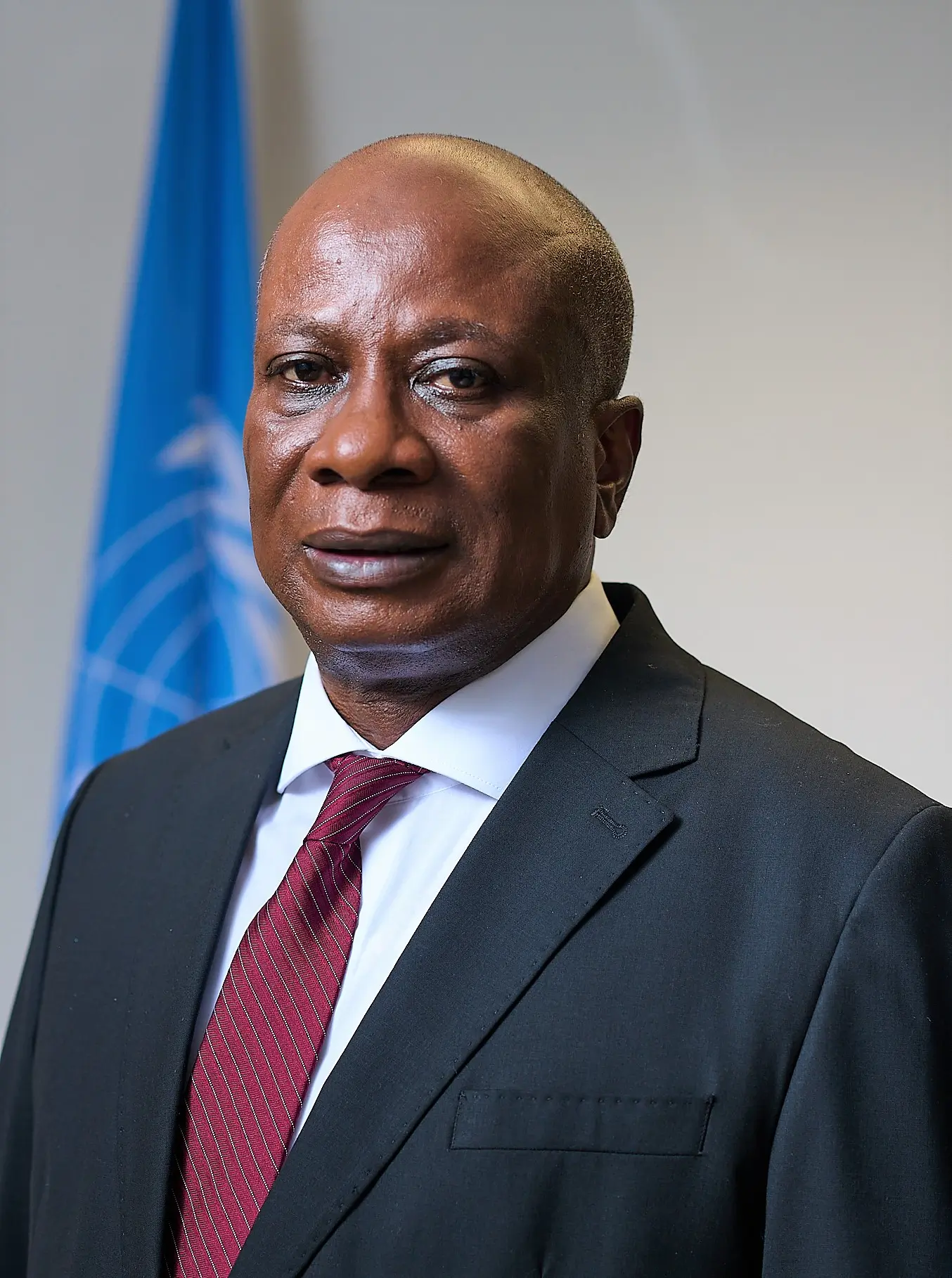
Harare — His Excellency Mr. Edward Kallon, the United Nations Resident and Humanitarian Coordinator in Zimbabwe, has called on the country’s media to put marginalized voices at the center of development reporting, stressing the role of inclusive journalism in shaping policies that leave no one behind.
Speaking at the United Nations Country Team meeting with editors and senior journalists in Harare, Mr Kallon emphasized the transformative power of the media to shift national narratives toward equity, inclusion, and justice.
“The media must prioritize stories that give voice to those most affected by development challenges—children, women, persons with disabilities, rural communities, and youth—so policy debates reflect lived realities,” he said.
A Human-Centered Development Approach
The UN’s cooperation framework in Zimbabwe is based on the principle of “Leave No One Behind” and is aligned with the country’s Vision 2030.
According to Mr Kallon, the stories told in mainstream and community media have the power to elevate the challenges of the most vulnerable and inspire both policy change and social solidarity.
“We must collectively shift from elite narratives to people’s stories—especially those navigating poverty, disability, hunger, gender-based violence, or exclusion from services,” he urged.
The call comes at a time when Zimbabwe is navigating complex development challenges, including the aftermath of El Niño-induced droughts, economic recovery, climate vulnerability, and the need for inclusive social protection systems.
The UN’s interventions have focused on these areas, yet Mr Kallon stressed that media must play a bigger role in monitoring and amplifying the outcomes of such programs.
Beyond Watchdog: A Role in Nation-Building
While underscoring the importance of holding power to account, Mr Kallon also encouraged the media to embrace “constructive journalism” that highlights local innovations, community resilience, and effective policy interventions.
“Expose failures, yes—but also highlight scalable successes. Journalism should serve not just as a mirror, but as a flashlight that illuminates the path forward,” he said.
He cited examples where community-led development, local adaptation to climate change, and youth entrepreneurship have brought tangible change but remain underreported.
Inclusive Storytelling for Lasting Impact
Mr Kallon also called for better gender- and disability-sensitive reporting, as well as investments in community and provincial media, which often lack the resources to report on development issues at the grassroots level.
He proposed:
Expanding access to reliable, local-level data.
Co-creating communication strategies that amplify marginalized voices.
Supporting provincial journalists with training, tools, and platforms to tell human-centered stories.
“When media amplifies the voice of a child missing school due to lack of access or a woman overcoming the odds to build a business—those stories ripple into awareness, advocacy, and eventually change,” Mr Kallon said.
Towards 2030: Inclusive Media, Inclusive Progress
As Zimbabwe accelerates its development efforts under the 2030 Agenda, the UN has pledged to deepen its partnership with the media.
The upcoming 2027–2030 Cooperation Framework is expected to integrate communications as a key driver of public engagement and accountability, with the media seen as an essential bridge between data, decisions, and people’s lived experiences.
“Together, we can transform programmes into public understanding, pressure, and action. That’s how we accelerate progress—for everyone, everywhere,” Mr Kallon concluded.
About Author