By Jonathan Mbiriyamveka
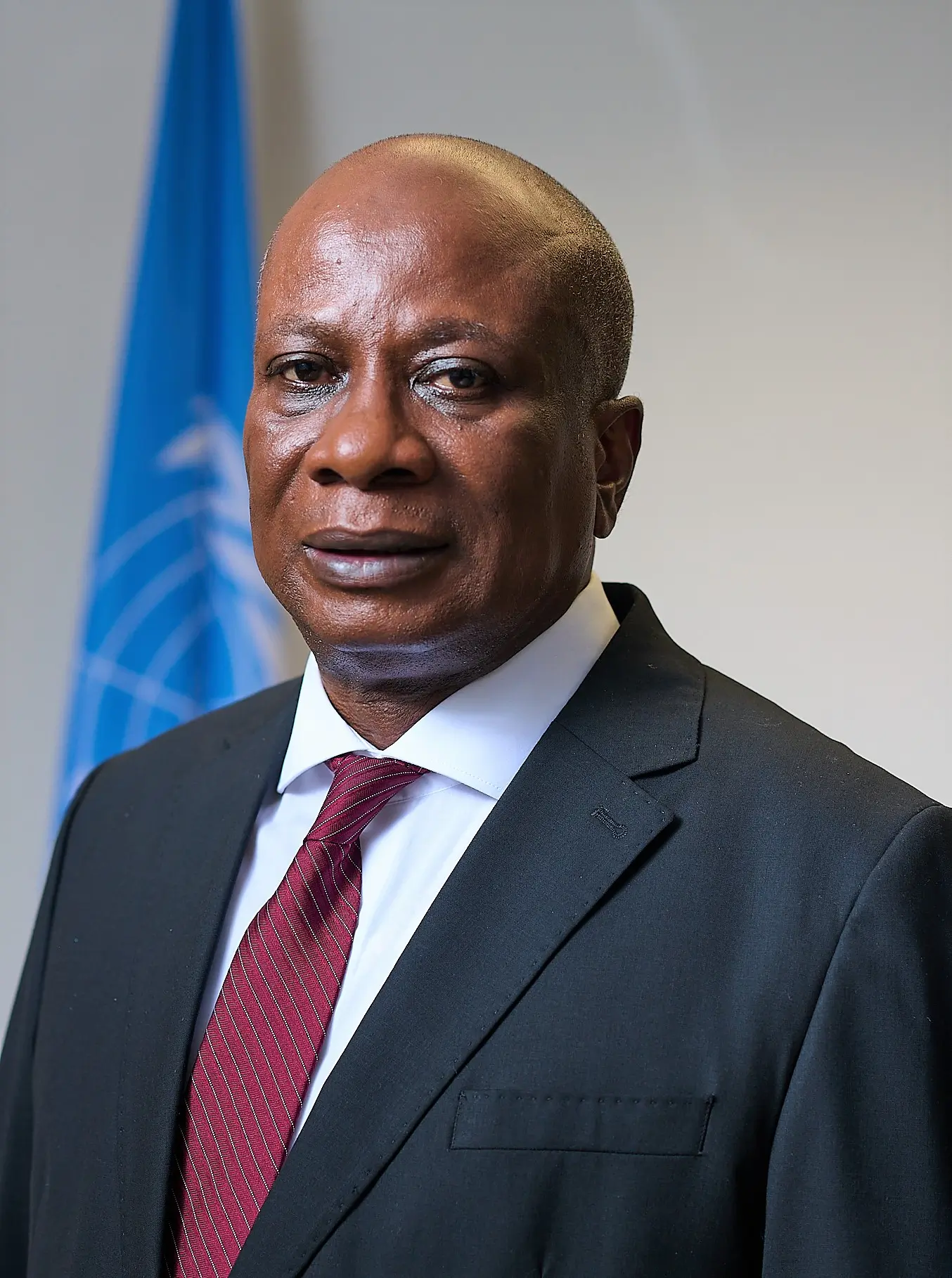
Harare – In his keynote address at today’s UN Country Team meeting with editors, UN Resident Coordinator Edward Kallon painted a picture of a transforming relationship between Zimbabwe, its media, and development partners.
Key to his message: a shift away from traditional aid toward investment‑led, resilient development.
The Shift in Numbers & Strategy
Under the 2022‑2026 Zimbabwe UN Sustainable Development Cooperation Framework (ZUNSDCF), the UN is mobilizing development funds to the tune of nearly US$2.8 billion to meet national priorities. As of now, about US$1.5 billion has been secured.
The UN has already delivered US$524 million in project and program results in 2022 alone, targeting inclusive education, health systems, resilience, climate adaptation, economic diversification, and governance.
From Aid to Blended Finance & Private Sector Engagement
Mr. Kallon described how the UN is moving beyond pure donor funding toward “blended financing” models and strengthening private sector roles in sustainable development. He cited examples of funding mechanisms, such as:
The Zimbabwe Renewable Energy Fund, unlocked by a US$10 million SDG Fund grant and augmented by matched investments from public and private entities.
A similar initiative in jobs and social protection being awarded just under US$1 million from the joint UN SDG Fund, intended to catalyze broader investment.
These moves are designed to align with Zimbabwe’s Vision 2030 and National Development Strategy II (NDS II), prioritizing sustainable energy, digital connectivity, climate resilience, and social inclusion.
What This Means for Media & Public Accountability
As the UN pivots toward this investment-focused model, Mr. Kallon emphasized that transparency and media engagement will become even more crucial:
More frequent sharing of reliable, traceable data and programme outcomes will allow media to hold development actors accountable.
Media supported in capacity building can explain complex topics such as blended finance, macroeconomic reform, and investment frameworks to the public.
Joint narrative campaigns can help citizens understand how investments translate into everyday improvements—health, education, climate safety, jobs.
About Author