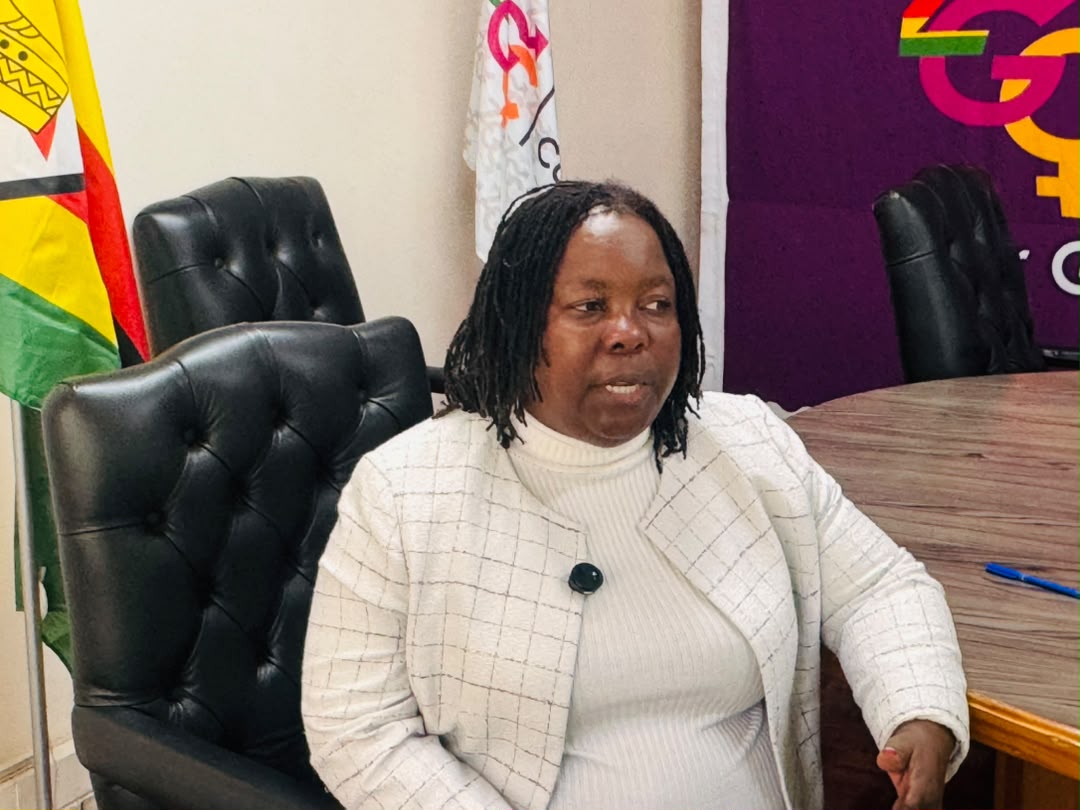
By Jonathan Mbiriyamveka
HARARE — At least 13,838 cases of sexual offences and aggravated domestic violence were recorded across Zimbabwe in 2024, according to figures cited by the Zimbabwe Gender Commission, as the body announced a 90-day national campaign against intimate partner violence (IPV).
The Commission, chaired by Dr Leslie Ncube, disclosed the figure in a statement marking the launch of the campaign, which runs from October to December 2026 and culminates in the 16 Days of Activism Against Gender-Based Violence.
The recorded cases are drawn from national data, while separate findings from the Zimbabwe Demographic and Health Survey 2023–2024 confirm that IPV remains widespread.
According to the ZDHS, 27 percent of women aged 15 to 49 have experienced physical violence in their lifetime, while nine percent have experienced sexual violence.
The survey also provides evidence of violence experienced specifically within intimate relationships — the category the campaign is targeting.
“Behind every reported case, many more remain hidden”
The Commission was explicit that the recorded figures understate the true scale of the problem.
“Behind every reported case there may be many more incidents that remain hidden because of fear, stigma, economic dependence, shame, threats, social pressure, lack of information, concerns about family breakdown or limited access to support services,” the statement read.
That list is itself significant. It identifies not one barrier to reporting but eight — each of which operates independently, and several of which reinforce one another.
Economic dependence, for instance, can make a survivor unable to leave. Fear of family breakdown can make disclosure feel like the greater risk. Stigma can prevent a survivor from seeking help even when services exist.
The Commission’s point is that the 13,838 figure is a floor, not a ceiling.
“Fatal domestic disputes are increasing”
The statement also flagged a rising trend in the most severe category of cases.
“The Commission is deeply concerned by the increasing number of reported cases of fatal domestic disputes,” it read.
“These incidents underscore the urgent need for strengthened early intervention, prevention, and coordinated national response mechanisms to prevent domestic conflicts from escalating into violence and loss of life.”
The framing matters. The Commission is not only describing violence that has occurred — it is identifying a pattern of escalation, in which disputes that could have been de-escalated end in death.
That points toward early intervention as the campaign’s central logic, rather than response after the fact.
Male survivors acknowledged
The statement also extended the conversation beyond female victims, acknowledging that intimate partner violence affects men and boys.
“While women and girls bear a disproportionate burden of gender-based violence, the Commission emphasises that intimate partner violence can also affect men and boys,” it read.
“The experiences of male survivors may remain hidden because of stigma, shame, fear of ridicule, harmful expectations around masculinity and limited access to appropriate support services.”
The Commission called for “an inclusive and gender-sensitive response in which every survivor, regardless of gender, can access information, prevention and protection, support, justice and appropriate referral services” — while insisting that responses “must continue to recognise the particular vulnerability and the disproportionate impact of IPV on women and girls.”
A problem described as preventable
The IPV campaign announcement framed the statistics as the justification for a shift in approach: away from responding after violence occurs, and toward prevention, early identification of warning signs, mental health dialogue, healthy relationships, peaceful conflict resolution, reporting, survivor support and institutional accountability.
“The continued prevalence of IPV demonstrates the need to strengthen implementation, prevention, public awareness, reporting, referral mechanisms and access to support services,” the Commission said.
It concluded with a line that will likely anchor the campaign’s messaging: “A home should be a place of safety, dignity, love and respect — not a place of fear.”
About Author