By Jonathan Mbiriyamveka
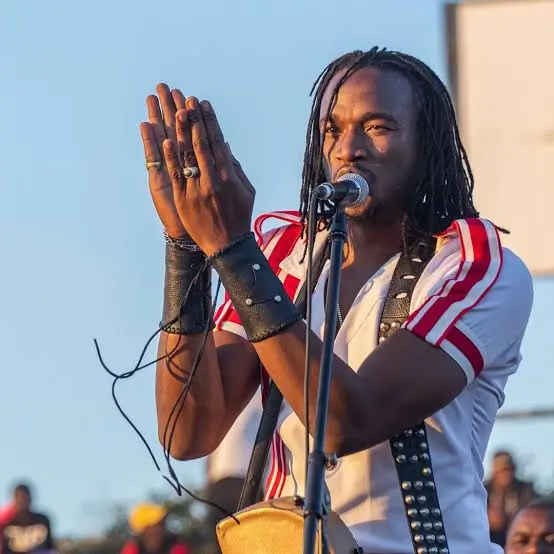
Jah Prayzah is a certified superstar in Zimbabwe — towering in both stature and fame.
But as the “Ndini Mukudzeyi” world tour picks up steam, with packed venues in Germany and the UK, one glaring question still hangs in the air like stage smoke: Why hasn’t Jah Prayzah gone truly global?
From the outside, it looks like he’s doing just fine. His shows are filled to capacity — but mostly with Zimbabwean diasporans.
The fans come dressed in flags, chanting lyrics word for word. The love is real, no doubt. But where are the curious neutrals? The locals? The global music buffs?
This is the threshold Jah Prayzah has yet to cross — the one that artists like Burna Boy, Diamond Platnumz, and Wizkid have vaulted over.
Burna is collecting Grammys and commanding Coachella stages. Diamond Platnumz has turned Bongo Flava into a global export. So why hasn’t Jah Prayzah — with his polished visuals, massive catalog, and years in the game — transcended borders in the same way?
A Local Giant with a Global Blockade
Some critics, like veteran journalist Tichaona Zindoga, say it’s a missed opportunity — not just for Jah Prayzah, but for Zimbabwean music as a whole.
“Imagine if his audiences were cosmopolitan,” Zindoga wrote online. “Thomas Mapfumo and Oliver Mtukudzi did it. Mokoomba, a lesser-known group, is doing it. We have the product — a truly Zimbabwean sound — but it’s not being sold properly.”
And the biggest hurdle? According to critics, it’s management.
Journalist and analyst Shakeman Mugari didn’t mince words: “You can’t use local hustling methods for a global market. His team is running an international act like a spaza shop.”
It’s a harsh metaphor — but it drives home a point. Talent without strategic management is like a sports car without a driver.
A Henry Without His Wenger
The tale of Thierry Henry’s career being rescued by Arsène Wenger looms large here. Henry was languishing in the wrong role at Juventus until Wenger saw his potential and unlocked it at Arsenal. Jah Prayzah, many argue, is in need of his own “Wenger” — someone with global vision and muscle.
Oliver Mtukudzi found his in Debbie Metcalfe, a manager who turned his brand into an international cultural export. For Jah, no such manager has entered the picture yet.
Genre Identity Crisis
Another issue? Jah Prayzah hasn’t quite nailed down what genre he represents.
Ask him what kind of music he sings, and his usual reply is: “I just sing.”
It might sound humble, but in the global arena, identity sells. Burna Boy champions Afro-fusion. Diamond leads Bongo Flava. Jah’s genre ambiguity is a marketing nightmare.
Worse still, his recent song Moto is under fire for allegedly borrowing from Kurai Makore’s Kanyarugwe. Originality — or at least a clear identity — is key to crossing borders.
Politics, Proximity, and the Price of Association
Then there’s the politics. Jah Prayzah’s perceived closeness to Zimbabwe’s ruling elites — and particularly controversial figures like Sir Wicknell Chivayo — has earned him praise and pushback in equal measure.
His song Mdhara Achauya was widely interpreted as political prophecy favoring Emmerson Mnangagwa. That kind of alignment can help at home, but abroad, it muddies the waters.
He’s since clapped back at critics with the track Mandionei — “What wrong have I done?” — but questions about his independence linger.
Unlike Mapfumo, who famously rejected help from Chivayo, Jah Prayzah seems comfortable in the elite’s embrace — a move that could alienate fans and partners who value artistic autonomy.
The Final Act: What’s Next for Jah?
There’s no question Jah Prayzah has the voice, the vision, and the visuals to reach the next level. What he lacks is the global game plan. Whether it’s rethinking his team, defining his genre, or distancing from toxic politics — something has to give.
Until then, Jah will continue to reign in Zimbabwe. But the global throne? That’s still up for grabs.
About Author