By Admore Mbonda | Kariba
Sixty-seven years after the Zambezi was dammed and thousands of Tonga and Gova families were forced off fertile riverbanks, government says it is bringing that water back to Mola.
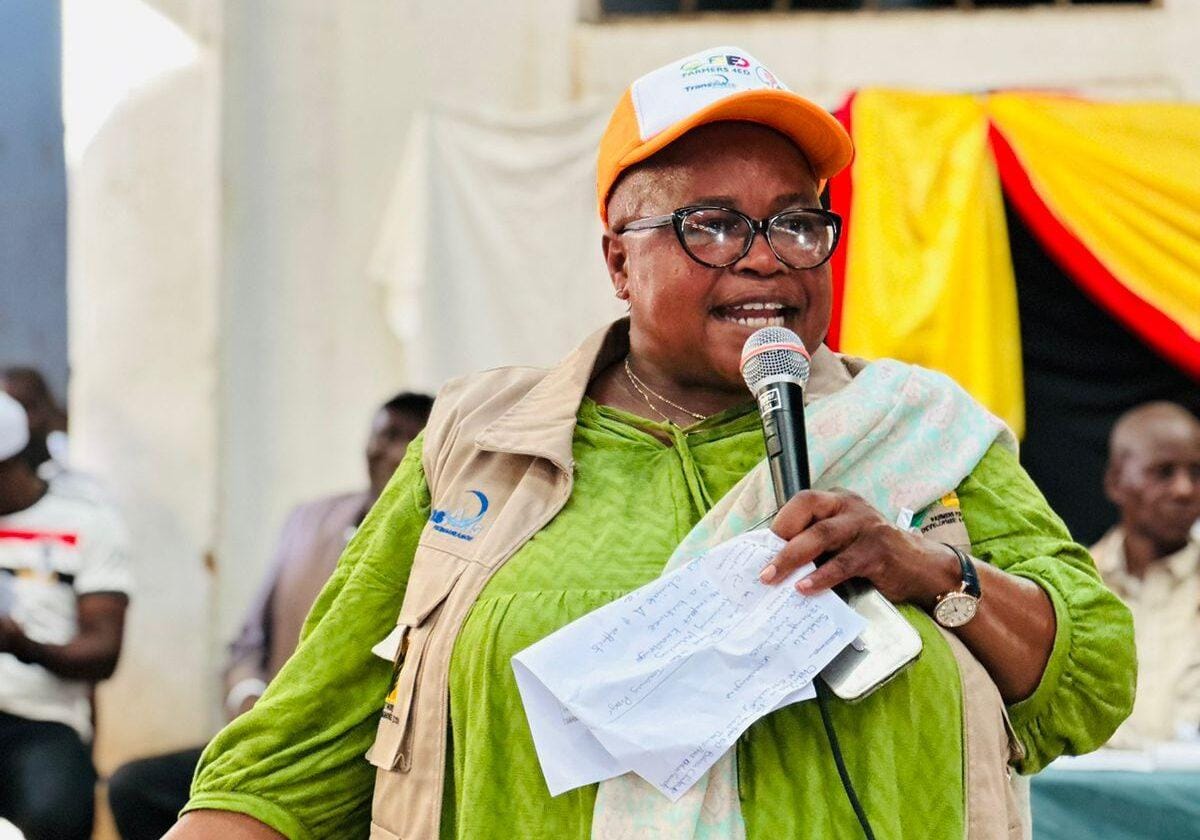
Mashonaland West Provincial Affairs and Devolution Minister Marian Chombo announced plans to establish a large-scale irrigation scheme in Mola using water from Lake Kariba the same lake that displaced the community in the late 1950s.
She made the announcement during a visit to Chief Mola to console families hit by the August 11 ferry disaster that killed 97 people.
“As government, we are stepping up efforts to ensure that the community has access to sustainable projects, including establishing an irrigation scheme that draws water from Lake Kariba,” Chombo said.
Closing a historic loop
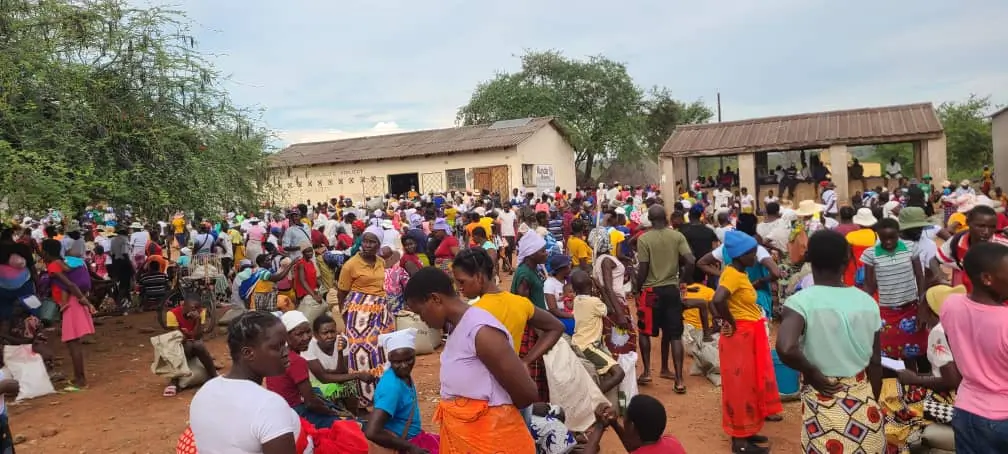
For Mola, the project could reverse decades of marginalisation. When the Kariba Dam was constructed, communities were moved into drier, less productive land in Natural Regions IV and V. Rain-fed farming there has always been a gamble, with elephants and other wildlife further destroying crops and livestock.
Despite living next to one of Africa’s largest reservoirs, Mola residents have survived on subsistence farming, fishing, casual labour and livestock — with little benefit from the lake on their doorstep.
Chief Mola welcomed the announcement, saying residents need projects that allow them to “improve their livelihoods” beyond depending on erratic rains.
From disaster to development
The irrigation proposal comes weeks after the Mbuya Nehanda ferry capsized, exposing how isolated Nyaminyami communities are. With the ferry gone, villages along the Kariba-Chalala route lost their main link to markets, food and services in Kariba town.
Government has since pledged additional boats and road upgrades. The irrigation scheme would add a longer-term pillar: food security and income that does not depend on rain or a single boat.
“Much of the district lies in low rainfall areas where drought wipes out crops every few seasons,” Chombo noted.
“This scheme will enable communities to produce food and generate income despite unreliable rainfall.”
Details still pending
Government has not yet announced the size of the scheme, cost, timeline, or number of beneficiaries.
But for elders in Mola, the symbolism matters as much as the water. A lake that once took their land may now be used to sustain their grandchildren.
“Kariba gave us fish and took our fields,” one village head said. “Maybe now it can give us both.”
About Author