By Jonathan Mbiriyamveka
MASVINGO — The September Sports Tourism Carnival may have brought athletes and officials to Masvingo, but Tourism and Hospitality Industry Minister Barbara Rwodzi has acknowledged that the event is only the beginning of a long-term strategy—one that will take five years to fully mature.
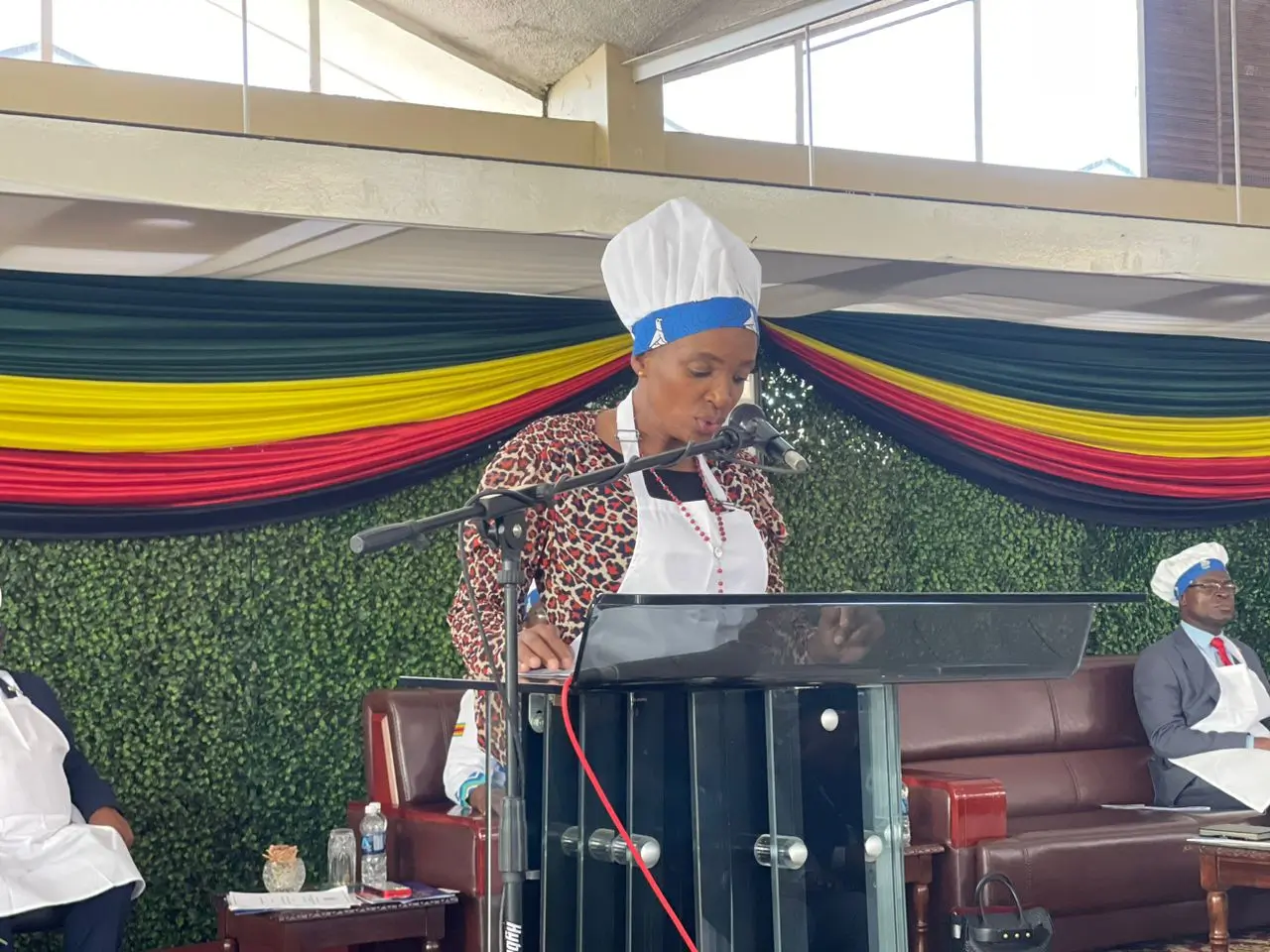
Speaking at Masvingo Airport as Air Zimbabwe transported buyers for the Sanganai/Hlanganani/Dzimbahwe Tourism Expo, Minister Rwodzi provided a candid assessment of sports tourism’s current limitations and its future potential.
“This sports event that we brought in Masvingo, we are saying five years from now, everyone in Zimbabwe must be saying that carnival is back, let’s go,” she said.
While sports tourism drives domestic travel and brings people together, converting visitors into spenders remains a significant challenge.
Minister Rwodzi acknowledged that while people come to watch matches, they are not yet spending as much as the tourism sector would like.
“Probably you have seen that people did not really come in the numbers that we were expecting, and spent as much as we wanted,” she said.
The challenge is clear: getting people to the stadium is one thing. Getting them to stay, sleep, eat, and spend in the host city is another.
“If people come from Harare to watch Masvingo United and Dynamos, we need to convince them that they must sleep here, they must eat here, they must drink here,” she explained.
When asked how sports tourism compares to other segments, Minister Rwodzi noted that MICE (Meetings, Incentives, Conferences, and Exhibitions) tourism currently outperforms sports in terms of revenue generation.
“Sports is more about domestic tourism, and when people come, we still have a lot of work to do,” she said. “When it’s MICE, look at the nature of people who would be coming for a business meeting, because it’s a convention for business. Definitely and automatically, they are high spenders.”
Minister Rwodzi emphasised that for sports tourism to reach its full economic potential, events must become permanent fixtures on Zimbabwe’s calendar.
“If we do not repeat those events and make them permanent, then the infrastructure won’t come, then the economy won’t make sense,” she explained.
The strategy is part of a broader shift under the National Development Strategy 2 (NDS-2), which is positioning sport as a powerful driver of tourism and economic growth.
Rather than treating sport as a stand-alone activity, the strategy links it directly to tourism, culture and infrastructure development—turning matches and tournaments into business opportunities for the country.
“Sports tourism has a ripple effect. Visitors come for the game, but they stay for the experience. Accommodation, transport, food, culture, all benefit.
“That is exactly what NDS-2 is designed to unlock,” Deputy Minister of Tourism and Hospitality Industry Tongai Mnangagwa has said.
The 5-year vision for Masvingo’s Sports Carnival is built on a simple principle: permanence attracts investment, and investment drives economic growth.
“When we are at that stage, then we expect the spending higher,” Minister Rwodzi said.
It is a lesson already being learned in other parts of the country. The temporary relocation of Harare football clubs to Bulawayo has shown the economic benefits of regular sporting events, with the Zimbabwe Tourism Authority reporting a marked increase in accommodation bookings and tourism activity during matches.
For Masvingo, the message is clear: patience and persistence will be required. But if the carnival becomes a permanent fixture, the economic rewards could be significant.
#SportsTourism #MasvingoCarnival #Sanganai2026 #NDS2 #TourismDevelopment
About Author