By Admore Mbonda in Kariba
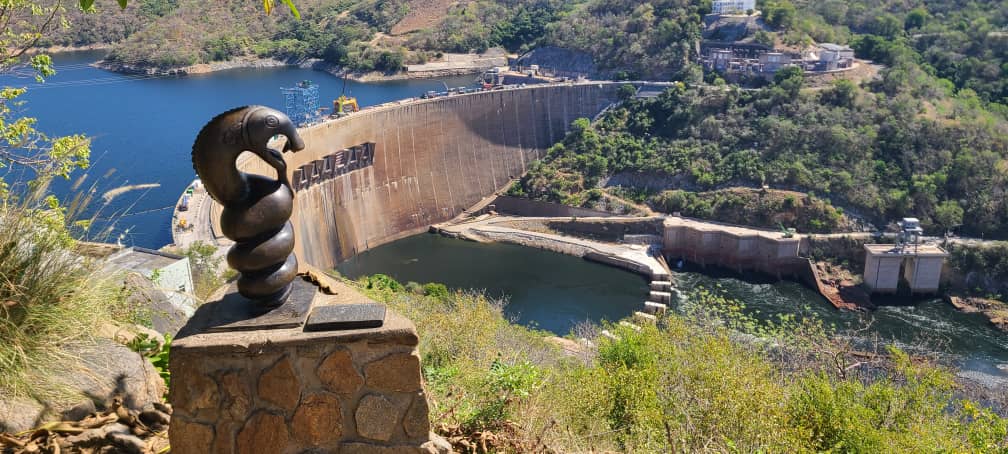
The lake level at Kariba Dam has continued to climb steadily after renewed inflows into the main Zambezi River, offering a potential turning point for hydropower generation across the Zambia–Zimbabwe power grid, the Zambezi River Authority (ZRA) said on Monday.
In its latest update, the authority reported that the Kariba Lake level currently stands at 482.15 metres, up from 478.85 metres at the same time last year.
While the increase is modest in height, officials say it represents a meaningful improvement in the dam’s ability to sustain reliable generation through the coming months.
As water levels rise, the usable live storage for power generation has grown to 31.16 billion cubic metres, representing 48.09% of capacity.
ZRA noted that this figure is nearly double the 15.20 billion cubic metres recorded in 2025, when prolonged low-water conditions contributed to challenging operating circumstances.
The authority contrasted the current situation with earlier years, including 2018, when the dam operated at low live storage levels during a period remembered for weak inflows and widespread electricity disruptions.
With the lake now sitting closer to the upper end of its typical operating range, utilities are expected to gain more flexibility in planning output reducing the risk of sudden generation cuts.
ZRA said the upward trend is expected to persist into July 2026, largely due to sustained inflows from the upper Zambezi catchment.
Officials attribute the renewed movement in water volumes to above-average rains recorded between December and March, which helped replenish the river system feeding the dam.
This improved outlook, ZRA added, is already strengthening prospects for operations at Kariba South and Kariba North power stations, which together have an installed capacity of 1,830 MW and supply a significant portion of electricity demand in both countries.
Kariba Dam is engineered to operate safely within a range of 475.50 metres to 488.50 metres**, supported by a 0.70 metre freeboardba buffer designed to maintain safety margins for downstream conditions.
At 482.15 metres, the dam is operating comfortably within the safe envelope, and above the minimum level required to support consistent generation.
ZRA stressed that improved storage does not automatically eliminate risk, noting that dam operations must continuously account for flood control and environmental flow commitments downstream.
The authority said it will continue managing releases carefully and aims to avoid spilling where possible to conserve water for hydropower needs.
When lake levels fell below 25% in 2024 and early 2025, both utilities—ZESCO and ZESA were forced to cut power output substantially.
That period was associated with extended load shedding and a greater reliance on electricity imports through regional supply arrangements.
Now, with storage estimated at 48.09%, ZRA said the utilities should have more operational space to increase generation, potentially easing pressure on cross-border imports linked to the Southern African Power Pool.
The improved water outlook is also expected to benefit communities and businesses around the lake.
The Kariba Fisheries Management Board reported improved conditions for kapenta fishing, citing better water conditions that support fishing activities.
Meanwhile, tourism operators in Kariba town anticipate improved access for boats and lakeshore activities as water levels recover bringing hope for steadier operations in the local hospitality and tour sector.
As the dam continues to rise into mid year, officials say continued monitoring will remain critical, especially to ensure the dam remains on track to meet both energy needs and downstream safety and environmental requirements
About Author