

By Admore Mbonda In Kariba
GOVERNMENT has announced that it is rolling-out more assistive devices to less privileged learners in schools.
This initiative aims to address the significant barriers that children with disabilities face in accessing quality education, ensuring they have the necessary tools to succeed academically.
Children with disabilities often encounter numerous challenges that hinder their educational progress. These barriers can include inadequate resources, lack of specialized support, and insufficient training for educators on how to effectively assist these learners.
The government’s initiative seeks to mitigate these issues by providing a range of assistive products tailored to meet the diverse needs of students.
These devices may include specialized learning tools, communication aids, and mobility devices, all aimed at fostering a more inclusive learning environment.
The introduction of assistive technology is crucial in empowering students with disabilities. According to recent data, over 2.5 billion people globally require assistive products, highlighting the widespread need for such resources.
By equipping schools with these devices, the government hopes to create an educational landscape where all students can thrive, regardless of their physical or cognitive challenges.
Speaking to Gemination in Kariba last week at the ministry’s strategic planning workshop, permanent secretary in the ministry of primary and secondary education, Moses Mhike said,”We are thrilled to announce that our assistive devices distribution program has successfully reached its initial milestone, benefiting many disadvantaged learners.”
”In the coming weeks, will continue this initiative, providing more assistive devices to less privileged learners. This program is made possible thanks to funding from UNICEF.
“We extend our heartfelt appreciation to our development partners for their support. Their collaboration has been instrumental in enabling us to make a meaningful impact.
“These assistive devices empower learners with disabilities, bridging the educational gap and fostering inclusive education.
This initiative reflects a broader commitment to inclusive education, recognizing that every child deserves the opportunity to learn and grow.
By partnering with organizations like UNICEF, the government is taking significant steps to ensure that educational policies prioritize the needs of marginalized groups.
This collaboration underscores the importance of providing adequate resources and support to enable children with disabilities to participate fully in their education and communities.
As the rollout of assistive devices begins, it is expected to have a transformative impact on the lives of many children.
By investing in these essential tools, the government is not only enhancing educational access but also promoting a more equitable society.
This initiative marks a hopeful advancement in the journey towards inclusive education, demonstrating a commitment to ensuring that no child is left behind.
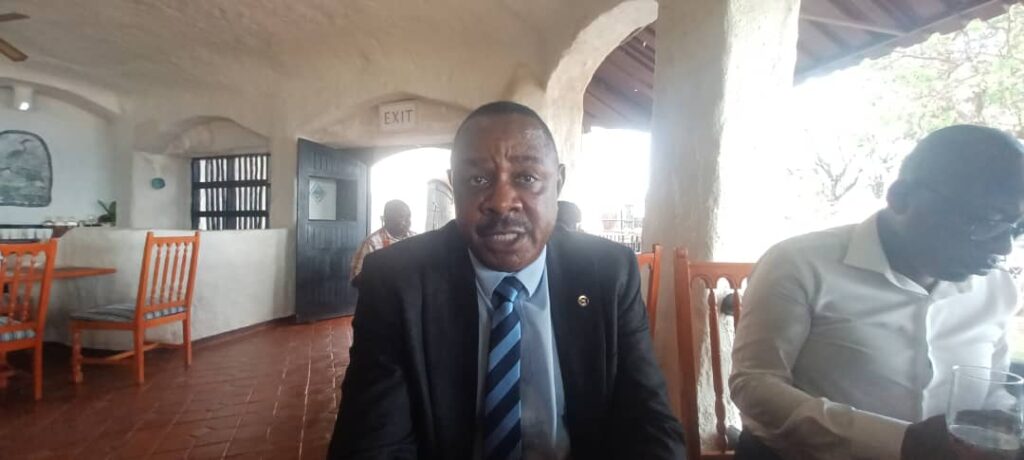
Gabriel Mhumha Mashonaland West Provincial Education Director
About Author

