By Admore Mbonda in Kariba
KARIBA—Zimbabwe and Zambia have launched a pilot project to install floating buoys on Lake Kariba, a move authorities say will shift the dispute from confrontation to clarity by visibly marking the international boundary on the water.
The project, unveiled this week during a Zambia–Zimbabwe Joint Sensitisation Workshop on Lake Kariba demarcation in Siavonga, comes against a backdrop of long standing tensions between fishing communities on both sides of the lake.
Officials say the lack of clearly defined markers has contributed to avoidable arrests, vessel seizures and clashes—sparking distrust and straining relations between neighbouring communities in Zimbabwe and Zambia.
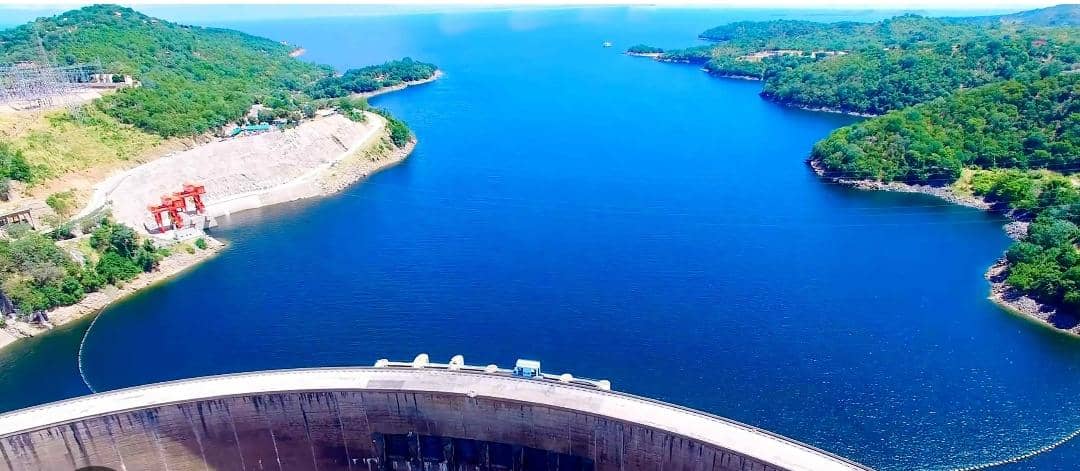
Under the pilot plan, buoys will be installed along the first 10 kilometres, beginning from the Kariba Dam wall. The initiative is being supported by the African Union Border Programme and GI-Z.
Zambia’s assistant surveyor-general, Kelvin Chibangula, said the challenge is not simply administrative it is practical. The international boundary spans roughly 280 kilometres across the lake, yet the line has historically lacked visible navigational indicators for communities working the water daily.
“Unclear boundaries on the lake have led to unintentional crossings, arrests, vessel seizures and conflicts among communities,” Chibangula told the workshop.
Chimbangula said many fishermen operate with limited equipment and rely on routine patterns rather than formal mapping tools.
“Fishermen leave shore before sunrise. They are focused on catching fish to feed their families. They do not have GPS devices or maps on their boats,” he said. “When they cross an invisible line, they are treated as criminals.”
He added that the resulting cycle of enforcement actions has far reaching consequences beyond individual arrests.
“That cycle of arrests and confiscations destroys livelihoods and damages relations among Zambian and Zimbabwean communities who have lived as neighbours for generations,” he said.
Officials involved in the pilot project described it as a confidence-building step, designed to reduce tensions by making the boundary easier for fishermen and vessel operators to understand in real time.
The intent, they said, is to prevent misunderstandings that frequently escalate into confrontations during routine fishing operations.
While the buoys are expected to help curb arrests and seizures, authorities also framed the initiative as part of a broader effort to strengthen cooperation and communication between the two countries’ agencies responsible for border management and lake monitoring.
The pilot will be reviewed after installation in the first stretch to determine how best to expand the system, subject to performance and stakeholder feedback from communities that depend on the lake for income and food.
As the buoys are prepared to be deployed near the Kariba Dam wall, both countries are urging fisherfolk and boat operators to work with authorities during sensitisation activities that explain how the markers will be used and interpreted on the ground.
For many residents, officials believe that a clearly defined line on the water could be the difference between routine labour and repeated conflict turning border governance on Lake Kariba into a process that protects livelihoods rather than punishes them.
About Author