

By Jonathan Mbiriyamveka
GONAREZHOU NATIONAL PARK — One-on-one encounter with a wild elephant feels different. It is not the circus type where you give commands. In the wild, the elephants call the shots.
Even if you are in a group or just a couple, when an elephant stares at you, at times you don’t know what is coming next. Usually, they do a mock charge — flipping their ears and roaring so loudly that if you are too scared, you simply take to your heels.
One such encounter unfolded during a familiarisation tour of Gonarezhou National Park, courtesy of the Zimbabwe Tourism Authority (ZTA) and the Ministry of Tourism and Hospitality Industry.
The Journey Begins
Having gone for a game drive through the park, our tour took us to the hippos, and then we headed for the Chilojo Cliffs — those iconic formations that appear in Janet Manyowa’s popular gospel video — just along the Runde River.
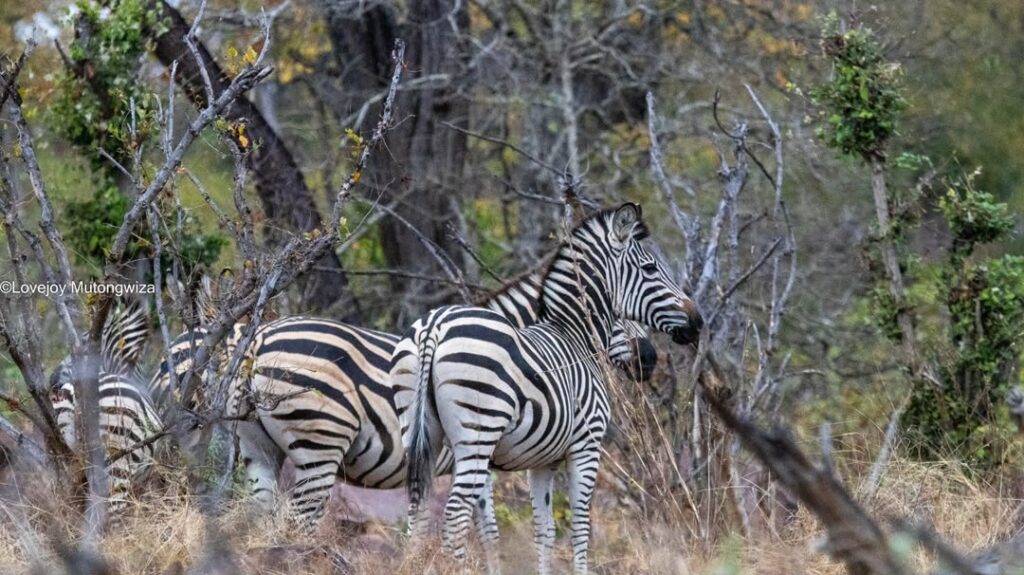
The place is breathtaking. Zebras, kudus, and waterbucks dotted the roadside, while buffalo — a member of the Big Five — stood proudly in the distance. As for the black and white rhino, we were told of their endangered status, though we did not see any.
A Sudden Change
But as we were leaving, the weather surprised us. It turned cold, then it showered. We shivered at the back of the truck, already cold and wet.
What followed was even more spine-chilling.
A herd of elephants with young calves was feeding on the roadside, with the bulls blocking our way. We waited — it felt like an hour — just before the road was clear.

The Standoff
As we waited, we had been warned against making noise or movement. Elephants can charge anytime.
A female elephant, curious to know if her baby was safe, kept a close eye on us from just a spitting distance. The mock charge continued. Everyone on the van was numb. No talking. No movement.
Our experienced tour guide Owen Hanyani of ZimParks kept his cool behind the wheel, making sure we did not provoke the wild animal, which was ready for anything.
It came as a relief when the bulls cleared the way, and off we left the scene unharmed.
A Thrill to Remember
It was only then that everyone spoke of how they felt during that one-on-one encounter. Suffice to say, it was nothing short of a thrill.
Navigating Gonarezhou has become easier with clear signage and well-kept roads — so well maintained that even the animals enjoy walking on them.
Conservation in Action
Soil erosion on the roads has been minimised using stone and rocks. Where the black and white rhino are kept safe, boundary electric fences have been installed.
The environment in the national park itself has been kept in pristine condition — no litter, no pollution. Old logs are visible, and elephant bones from years gone by can be seen on the roadside.
Since Gonarezhou hosts one of the largest elephant populations, some of the trees they feed on, such as the baobab tree, have been fenced to protect them from destruction. When it comes to elephants, it is a thin line between feeding and destruction.
A Story to Tell
While the game drive was as good as it lasted, it gave everyone something to talk about. The thrill of the encounter, the beauty of the landscape, and the importance of conservation all came together in a single unforgettable experience.
For those who will visit Gonarezhou, they will leave with more than just photographs — they will leave with a story.
#SanganaiHlanganani #Dzimbahwe2026 #ExperienceZimbabwe #OurHeritage #NhakaYedu
#IlifaLethu #ZimBho
About Author

