By Jonathan Mbiriyamveka
HARARE – Zimbabwe is not merely aiming for incremental growth in its tourism sector—it is aiming for the top.
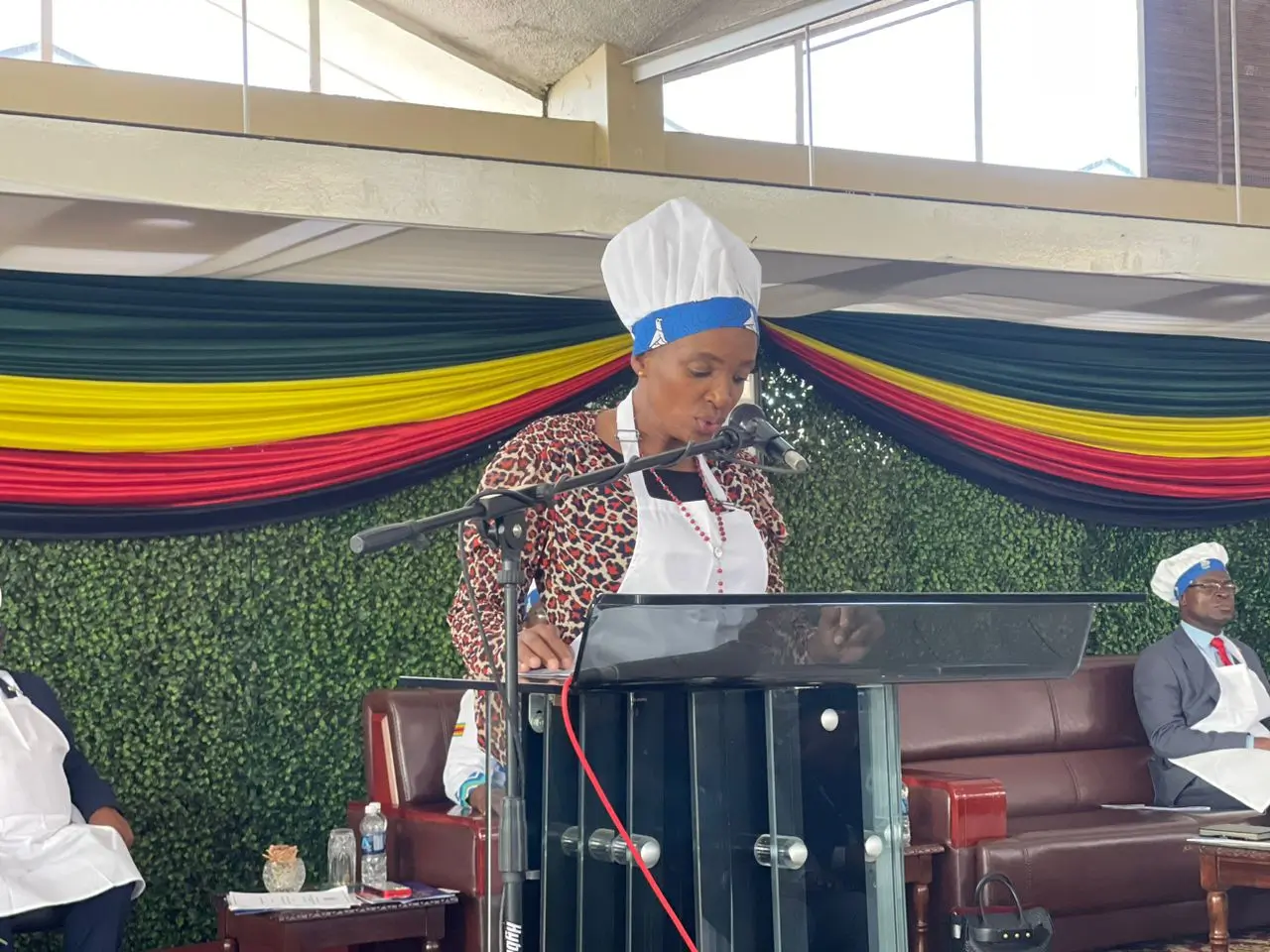
In an interview the opening of the National Tourism Sector Strategy consultation at Baradzanwa Cultural Centre, Tourism and Hospitality Industry Minister Barbara Rwodzi has set an ambitious target: by 2030, Zimbabwe will compete with South Africa, Egypt, Algeria, and other leading African destinations to claim the title of the continent’s best tourism destination.
“We’ll be flying, we’ll be flying,” Rwodzi said with confidence when asked about her vision for the sector by 2030.
“If we continue with the momentum that we have in terms of marketing our country and balancing it with investment in physical infrastructure against digital infrastructure, I tell you by 2030 we’ll be competing very much with South Africa, which is the greatest destination in the continent.”
The minister acknowledged the scale of the challenge. South Africa has long been Africa’s tourism powerhouse, attracting millions of visitors annually with its well-developed infrastructure, diverse attractions, and established global brand.
Egypt and Algeria also boast significant cultural and natural assets, with robust tourism industries.
But Rwodzi insisted that Zimbabwe has what it takes to close the gap—provided the country invests strategically in both physical and digital infrastructure.
“We have to have those solutions that back the work that we do for the marketing,” she said, stressing that modern tourism is as much about digital experiences as it is about physical attractions.
The National Tourism Sector Strategy (2026–2030), currently under stakeholder consultation, is designed to provide the framework for this ambitious push.
It outlines targets for product diversification, service quality improvement, and market expansion, alongside a strong emphasis on technology and innovation.
Rwodzi said the strategy’s success hinges on balancing two critical areas: physical infrastructure, such as roads, airports, and accommodation; and digital infrastructure, including online booking systems, data analytics, and smart destination management tools.
“We are looking forward to being the must-visits for quite some time and looking forward to being the best destination in Africa,” she said.
The minister also pointed to the growing momentum behind Zimbabwe’s tourism marketing efforts, which have been stepped up both domestically and internationally.
Collaboration with the Ministry of Foreign Affairs has seen Zimbabwe’s diplomatic missions abroad actively promote the country as a destination.
“We work with Foreign Affairs for Brand Zimbabwe, which is international,” she explained. “They have their embassies outside, and we work with them for branding our country.”
Rwodzi acknowledged that achieving the 2030 ambition would require sustained effort and collaboration across government, the private sector, and communities.
She pointed to the “whole-of-government and society” approach championed by President Mnangagwa as the engine that will drive the transformation.
“We work with the Ministry of Transport for accessibility, Home Affairs for immigration and visa issues, and Higher Education for innovative frameworks,” she said.
“We have six ministries that we work with.”
The message from the minister is one of optimism and determination: Zimbabwe is not content to be a secondary player in Africa’s tourism landscape. It wants to lead.
“By 2030,” Rwodzi declared, “we’ll be competing very much with South Africa—and we’ll be the best destination in Africa.”
About Author