

. . . Deputy Minister Mnangagwa unveils five-year strategy aimed at boosting investment, empowering communities, and safeguarding heritage
By Jonathan Mbiriyamveka
MAZOWE – At the foot of the granite hills surrounding Baradzanwa Cultural Centre, a quiet revolution is taking shape.
It is not being announced with the blare of trumpets, but with the measured voices of policymakers, business leaders, and community representatives gathered around a single table. Their mission: to rewrite the blueprint for Zimbabwe’s tourism industry.
For the next five years, the country’s tourism sector will be guided by a new National Tourism Sector Strategy (2026–2030)—a document that its architects hope will transform the industry from a sleeping giant into an engine of inclusive and sustainable economic growth.
Opening the provincial stakeholder consultation in Mazowe today, Deputy Minister of Tourism and Hospitality Industry Hon. Tongai M. Mnangagwa laid out a vision that is as ambitious as it is grounded.

It is a vision that speaks not only to investors and hoteliers, but to the village head in Mwenezi, the curio seller in Victoria Falls, and the young graduate in Mutare looking for a job.
“We recognise tourism as a multi-sectoral industry whose success depends on coordinated action across Government, the private sector, local authorities, communities, academia and development partners,” Mnangagwa told the gathering.
The strategy, which is structured around eight strategic pillars, seeks to reposition Zimbabwe as a competitive and resilient tourism destination—one that balances economic ambition with social responsibility and environmental stewardship.
A Magnet for Investment
At the heart of the strategy is a bold economic proposition: Zimbabwe is open for tourism investment.
Mnangagwa made it clear that the country intends to attract both domestic and foreign capital to upgrade its tourism infrastructure, from transport networks and accommodation facilities to digital systems that will make the destination smarter and more accessible.
“Boost investment and infrastructure,” he said, outlining a key objective of the strategy. “This means attracting both domestic and foreign investors, while upgrading transport, accommodation, and digital systems to support growth.”
The strategy also calls for product diversification, moving beyond traditional safari and heritage tourism to include new offerings in agro-tourism, cultural experiences, and MICE (Meetings, Incentives, Conferences, and Exhibitions) travel.
By improving service quality and embracing innovation, the Deputy Minister said, Zimbabwe is “positioning the country as a destination of choice in the global market.”
The consultation in Mazowe is part of a broader push to ensure that the strategy is not just a document written in Harare, but a living framework shaped by the people who will implement it.
Stakeholders were tasked with identifying opportunities for stronger collaboration and resource mobilisation, with Mnangagwa stressing that success requires a “whole-of-government and whole-of-sector approach.”
“The government remains fully committed to creating an enabling environment that supports the growth and competitiveness of the Tourism sector, guided by Vision 2030 and the National Development Strategies,” he said.
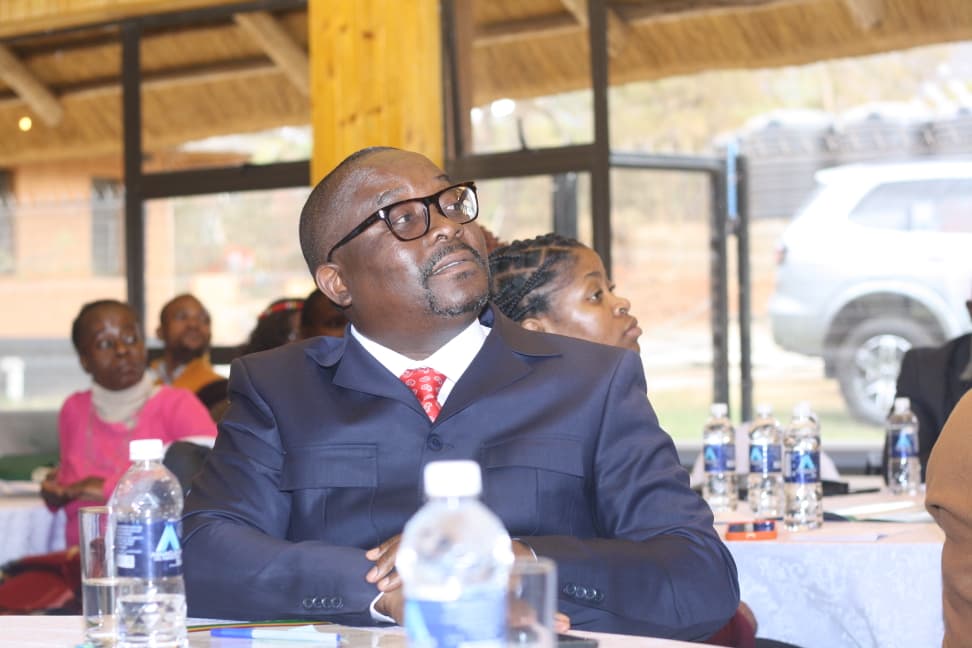
DM Tongai Mnangagwa
Putting Communities First
But the strategy is not only about balance sheets and arrival numbers. For the Deputy Minister, tourism must be a force for inclusion—a sector that lifts communities rather than leaving them behind.
“Tourism must deliver inclusive benefits—creating jobs, supporting small businesses, and promoting cultural heritage at the grassroots level,” Mnangagwa said.
This commitment to community empowerment is woven throughout the strategy. It envisions a tourism sector where local people are not passive spectators but active participants—owners of small enterprises, custodians of cultural experiences, and beneficiaries of the jobs created along the value chain.
The strategy also seeks to strengthen governance and coordination, ensuring that policies and institutions are inclusive and that the benefits of tourism flow to all provinces, not just traditional tourist hubs.
The choice of Baradzanwa Cultural Centre as the venue for the consultation was itself symbolic.
Located in Mazowe, it represents a deliberate effort to decentralise tourism planning and bring it closer to the people.
At the grassroots level, the strategy aims to support small businesses, promote cultural heritage, and create sustainable livelihoods.
For the curio seller in a rural market or the guide leading a community walking tour, this is not abstract policy—it is the promise of a better future.
Safeguarding Heritage and the Environment
Yet growth, the Deputy Minister cautioned, must not come at the expense of the environment or the cultural treasures that make Zimbabwe unique.
“Promote responsible tourism that balances economic growth with environmental protection and cultural preservation, safeguarding our heritage for future generations,” Mnangagwa said.
This theme of sustainability runs like a golden thread through the strategy. It acknowledges that Zimbabwe’s natural assets—its wildlife, landscapes, and water resources—are not infinite.
They must be protected and managed responsibly, not just for today’s visitors, but for the generations of Zimbabweans who will inherit them.
The strategy also prioritises resilience, recognising that the tourism sector must be equipped to withstand shocks, whether from pandemics, climate change, or economic downturns.
“Build capacity to withstand shocks, whether from pandemics, climate change, or economic downturns, ensuring the sector remains adaptive and strong,” the Deputy Minister said.
Climate change, in particular, poses a growing threat to Zimbabwe’s tourism assets, especially in wildlife-dependent and water-sensitive areas. The strategy’s emphasis on resilience is therefore both timely and necessary.
Technology and innovation will also play a central role, with the strategy calling for digital transformation, data-driven decision-making, and smart destination management to modernise the sector and enhance its competitiveness.
A Shared Future
As the deliberations continued at Baradzanwa, one thing became clear: the National Tourism Sector Strategy is not just about tourism.
It is about the kind of future Zimbabweans want to build—one where economic growth goes hand in hand with social justice, environmental stewardship, and cultural pride.
Mnangagwa reminded stakeholders that their contributions would be instrumental in ensuring the strategy is “both technically sound and responsive to the needs and opportunities of the sector.”
“Your contributions today will therefore be instrumental in ensuring that this Strategy is both technically sound and responsive to the needs and opportunities of the sector,” he said.
The consultations, which will continue across the country, are expected to feed into the finalisation of the strategy later this year.
For the communities of Mazowe and beyond, the hope is that the document that emerges will not gather dust on a shelf, but become a living roadmap—one that turns the promise of tourism into tangible improvements in the lives of ordinary Zimbabweans.
Because, in the end, the success of the strategy will not be measured in tourist numbers alone.
It will be measured in jobs created, communities empowered, and a heritage preserved for the generations yet to come.
About Author

