By Jonathan Mbiriyamveka
MAZOWE – Zimbabwe’s tourism marketing machine is firing on all cylinders. Government coffers are flowing into destination branding, international campaigns, and diplomatic outreach.
The message is clear: Come to Zimbabwe.
But when visitors arrive, the experience does not always match the promise.
It is a gap that Tourism and Hospitality Industry Minister Barbara Rwodzi has acknowledged with refreshing honesty—and one she says compulsory training for all tourism workers is designed to close.
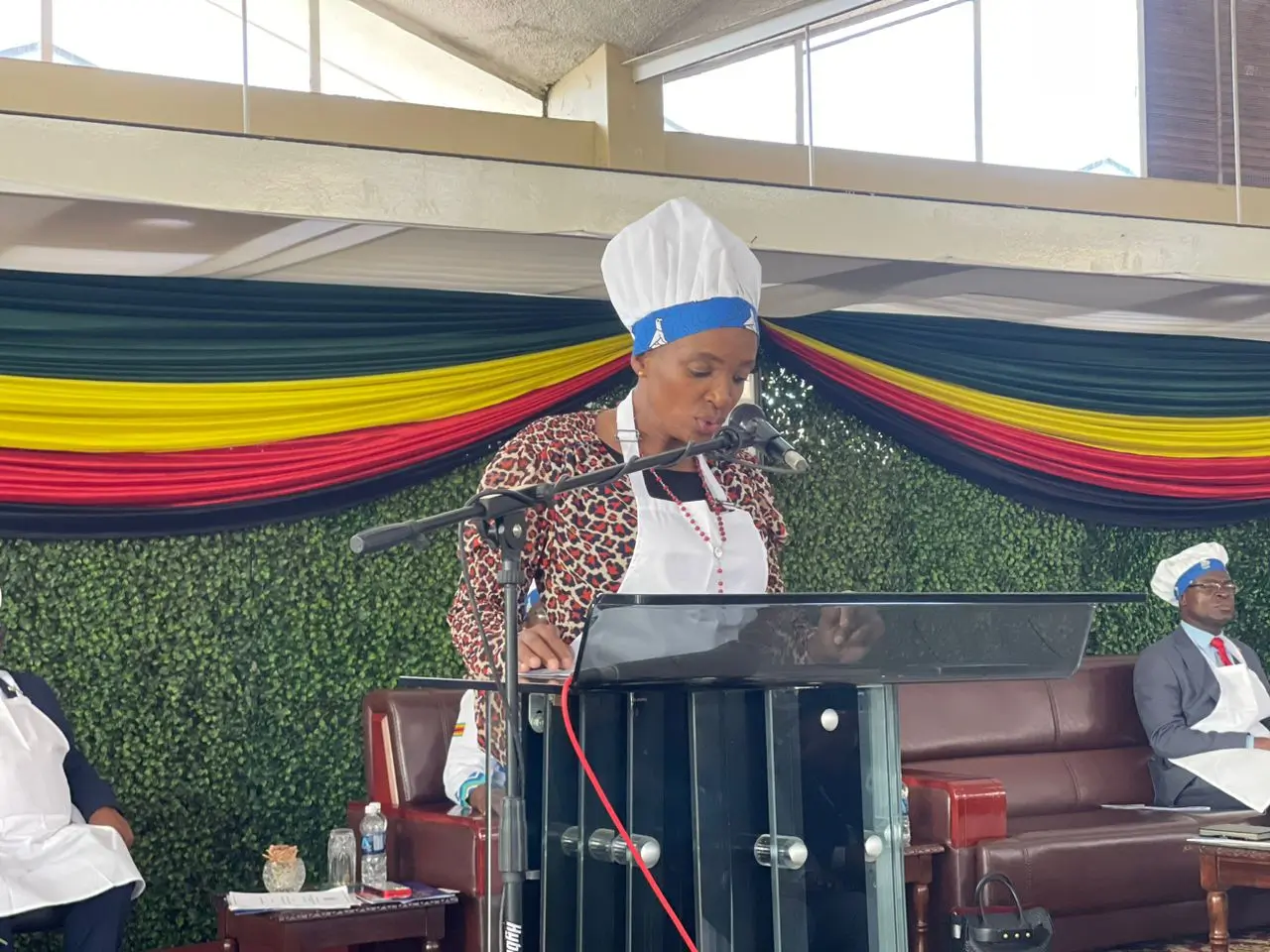
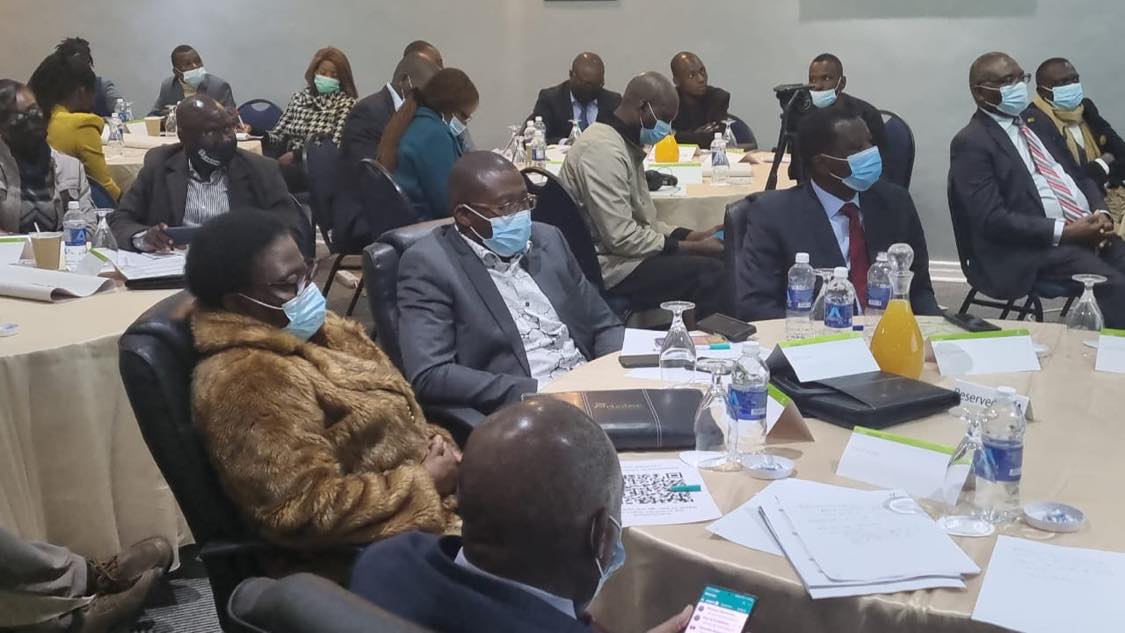
Speaking on the sidelines of the National Tourism Sector Strategy (2026–2030) stakeholder consultations at Baradzanwa Culture Village in Mazowe, Rwodzi revealed that while marketing efforts have been highly successful, service delivery has not kept pace.
“We are seeing or receiving a lot of complaints about the service delivery that are in our facilities in the country,” she said.
The minister did not mince words: Zimbabwe is winning the battle for attention but losing the battle for satisfaction. And in the competitive world of global tourism, that is a problem.
“Marketing has been doing quite well, but we see that we are lagging behind on service,” she conceded.
A Global Industry, a Local Problem
Rwodzi explained that the tourism industry evolves rapidly, with global trends shifting constantly.
Visitors arrive in Zimbabwe with expectations shaped by their experiences in other destinations—and increasingly, so do Zimbabweans themselves.
“We have many people in Zimbabwe who travel a lot and they are exposed to other trends,” she said.
“Our locals in terms of facilities are aware of what is happening in terms of service.”
The domestic traveller, once a secondary consideration, is now a demanding customer. Zimbabweans who have experienced world-class service abroad are returning home with higher expectations—and they are not afraid to voice their disappointment when those expectations are not met.
“Even domestic tourists,” Rwodzi noted, “are exposed to global trends.”
The minister emphasised that the issue is not a lack of effort or goodwill among tourism workers, but rather a need for continuous learning in an industry that never stands still.
“Naturally, in any tourism industry, anyone who works in there needs to have refresher courses to improve the service delivery because this industry evolves very fast,” she said.
The New Act: Compulsory Training for All
To address the service gap, Rwodzi announced that the forthcoming Tourism Act will introduce mandatory capacity building for all employees in the sector—both new entrants and veterans.
“Within our new act that is coming soon, we have compulsory refresher courses or compulsory capacity building for existing and non-existing employees at every facility,” she said.
The requirement will apply across the board, from five-star hotels in Victoria Falls to guesthouses in rural areas. Every facility, every worker, must undergo training to understand and meet global service standards.
“You must go and train, see and have knowledge on what the global trends are about so that the service remains at a global competition,” Rwodzi said.
The move is a direct response to complaints that have been mounting as tourist arrivals increase. With international visitor numbers climbing and domestic tourism growing, the pressure on facilities to deliver quality service has never been greater.
The minister stressed that the training is not punitive but developmental—an opportunity for Zimbabwe’s tourism workforce to upskill and compete on the world stage.
“We want our people to be a part of that as internationals arrive in our country,” she said.
Private Sector Called to Reinvest
Beyond mandatory training, Rwodzi also urged private sector players to reinvest their profits in their businesses—particularly in service improvement and infrastructure upgrades.
The message was clear: government will market the destination, but the private sector must deliver the experience.
“We want everyone to play their part within the national strategy,” she said, adding that the focus must remain on “the President’s vision and his industry.”
The call for reinvestment is particularly timely, as tourism receipts have been on an upward trajectory following the post-pandemic recovery. Profits are being made—and the minister wants to see those gains ploughed back into improving facilities, training staff, and enhancing the overall visitor experience.
A Strategy for the Long Haul
The compulsory training initiative is part of the broader National Tourism Sector Strategy (2026–2030), which is currently being shaped through stakeholder consultations across the country.
The strategy is structured around eight strategic pillars, with service quality and human capital development featuring prominently alongside marketing, investment, and sustainability.
Rwodzi’s remarks in Mazowe signal a shift in focus: from simply attracting visitors to ensuring they leave with memories that keep them coming back—and that they share with others.
“The government is putting a lot of money in marketing strategies for our destination,” she said. “But marketing alone is not enough.”
The Stakes Are High
The stakes for Zimbabwe are significant. The country is aiming to become Africa’s best destination by 2030, competing with established tourism powerhouses like South Africa, Egypt, and Algeria.
Achieving that ambition requires more than beautiful landscapes and wildlife. It requires a service culture that matches—and exceeds—what visitors can find elsewhere on the continent.
Rwodzi is confident that mandatory training will help close the gap.
“We are looking forward to being the must-visits for quite some time,” she said, “and looking forward to being the best destination in Africa.”
But first, the industry must address its weakest link. The marketing machine has done its job. Now, it is time for service to catch up.
About Author