

By Jonathan Mbiriyamveka
The applause inside the National Blood Service Zimbabwe headquarters in Belgravia was warm, but the man at the center of it all stood quietly, almost shyly, as if unsure what the fuss was about.
For nearly five decades, Mr. Julian Buss had done something simple—rolled up his sleeve.
On this Tuesday morning in Harare, that simple act had added up to something extraordinary: 300 blood donations.
As he stepped forward to receive his trophy from renowned human rights lawyer Beatrice Mtetwa, there was a sense that the room wasn’t just honoring a number.
It was honoring thousands of unseen moments—hospital beds, anxious families, and lives saved because, somewhere, Mr. Buss had shown up.
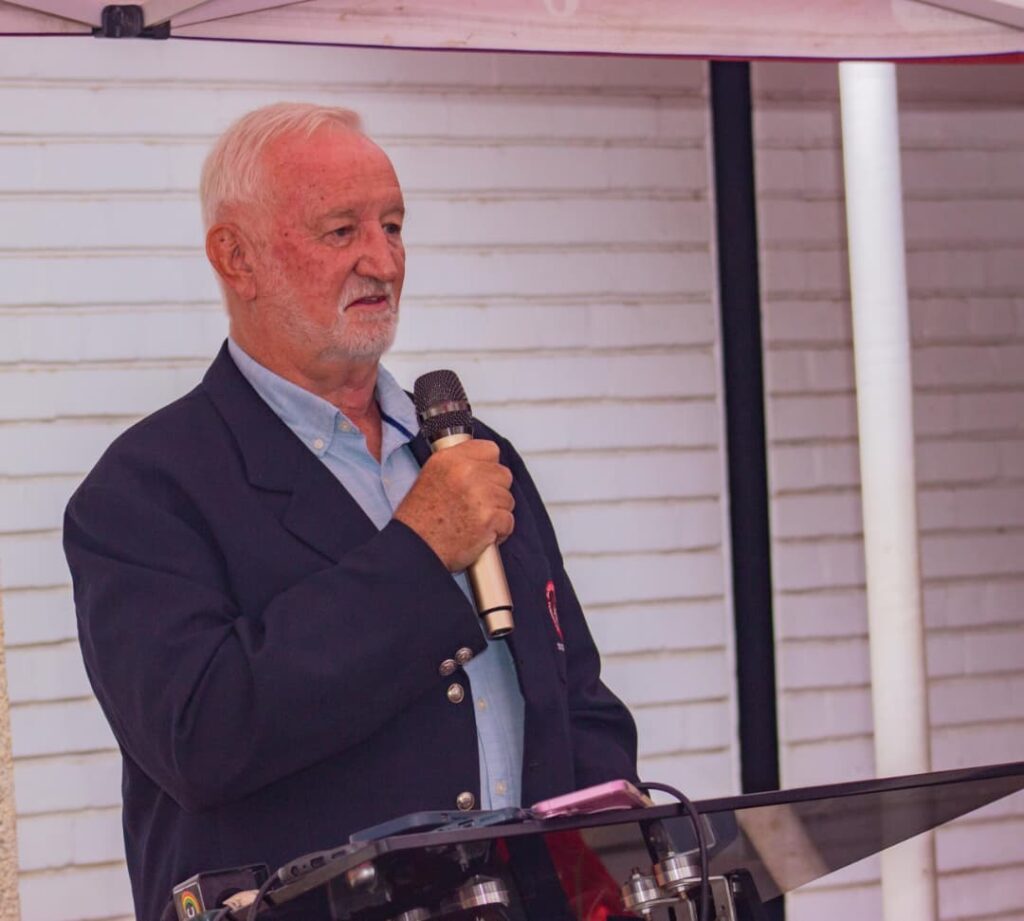
Julian Buss pictures by Daphne Machiri
He first walked into a donation room in 1977. Zimbabwe was a different country then, and so was he—young, perhaps unsure, but willing.
Year after year, decade after decade, he returned. No headlines. No recognition. Just a quiet rhythm of giving.
“If you miss a donation, it bothers you,” he said softly, reflecting on a habit that had become part of who he is. “We don’t know where the blood goes. We just know it helps someone who needs it.”
That quiet certainty carried him through 49 years.
Around him stood people who understood the weight of what he had done. NBSZ Chief Executive Officer Lucy Marowa looked at him not just as a donor, but as a symbol of what is possible.
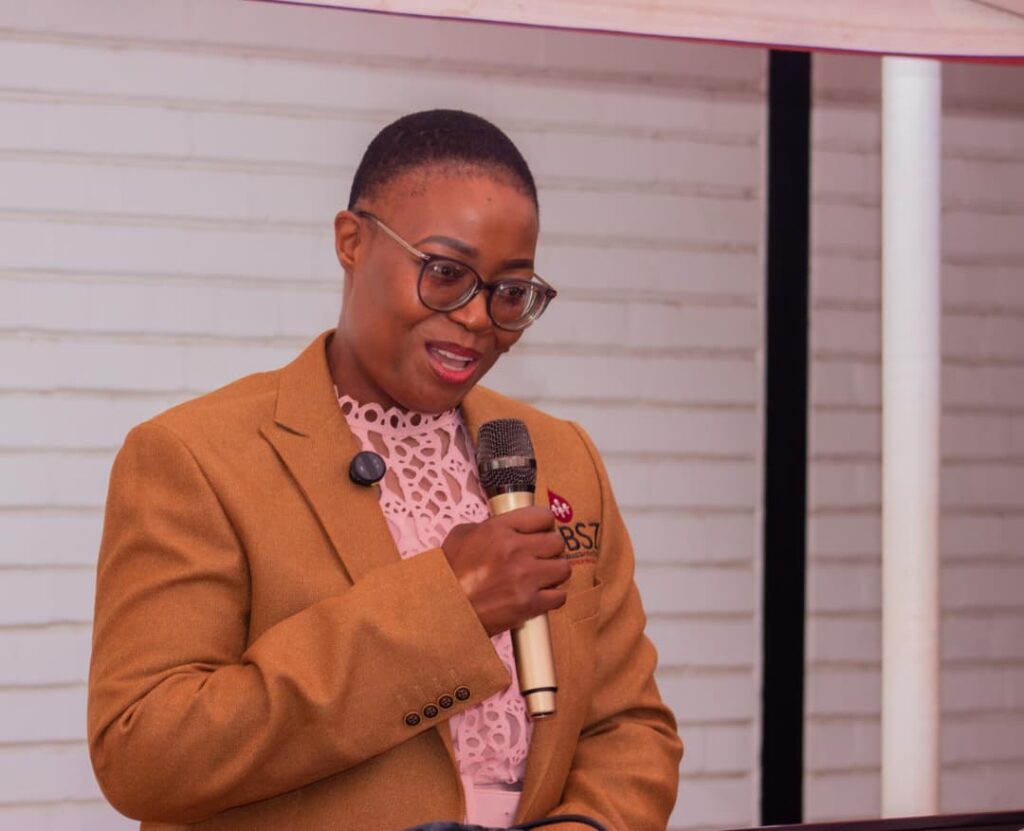
NBSZ Chief Executive Officer Lucy Marowa pic Daphne Machiri
“Three hundred times you walked through our doors and gave a piece of yourself so that others could live,” she said. “On behalf of Zimbabwe, we say thank you.”
But perhaps the most powerful part of Mr. Buss’s story is how ordinary it feels.
There are no grand speeches in his past, no dramatic turning point that set him on this path. Just consistency.
A decision made once—and then made again, and again, and again.
Beside him, his wife watched with quiet pride.
She, too, has made the journey to donation rooms—38 times—standing as both partner and witness to a lifetime of giving.
Together, their story becomes less about a single man and more about a shared belief: that small acts, sustained over time, can ripple far beyond what we see.
In the room, speakers spoke of systems, partnerships, and national needs.
Liane Lombard highlighted the importance of community, while health officials reflected on the constant demand for blood—the silent urgency that never fades.
But Mr. Buss’s story cut through all of that.
Because behind every unit of blood is a human story. A mother surviving childbirth. A child fighting illness. A stranger given another chance.
And behind many of those stories, whether he knows it or not, is him.
As the ceremony drew to a close, he held his awards—a trophy, a certificate, a portrait—tokens of appreciation for something that cannot truly be measured.
Not in numbers. Not even in 300 donations.
But in lives. In second chances.
In the quiet, enduring power of simply showing up.
Mr. Julian Buss may never meet the people he has helped. He may never hear their stories. But his own story now stands as a reminder—gentle, steady, and deeply human—that changing the world doesn’t always require something grand.
Sometimes, it just begins with a sleeve rolled up
About Author

