By Jonathan Mbiriyamveka
HARARE – In a significant diplomatic breakthrough, Zimbabwe’s Special Envoy on the Museum of African Liberation has successfully engaged at least 22 African Heads of State and Government in support of the continent’s most ambitious heritage project to date, Vice President Colonel (Rtd) Dr Kembo Mohadi revealed on Thursday.
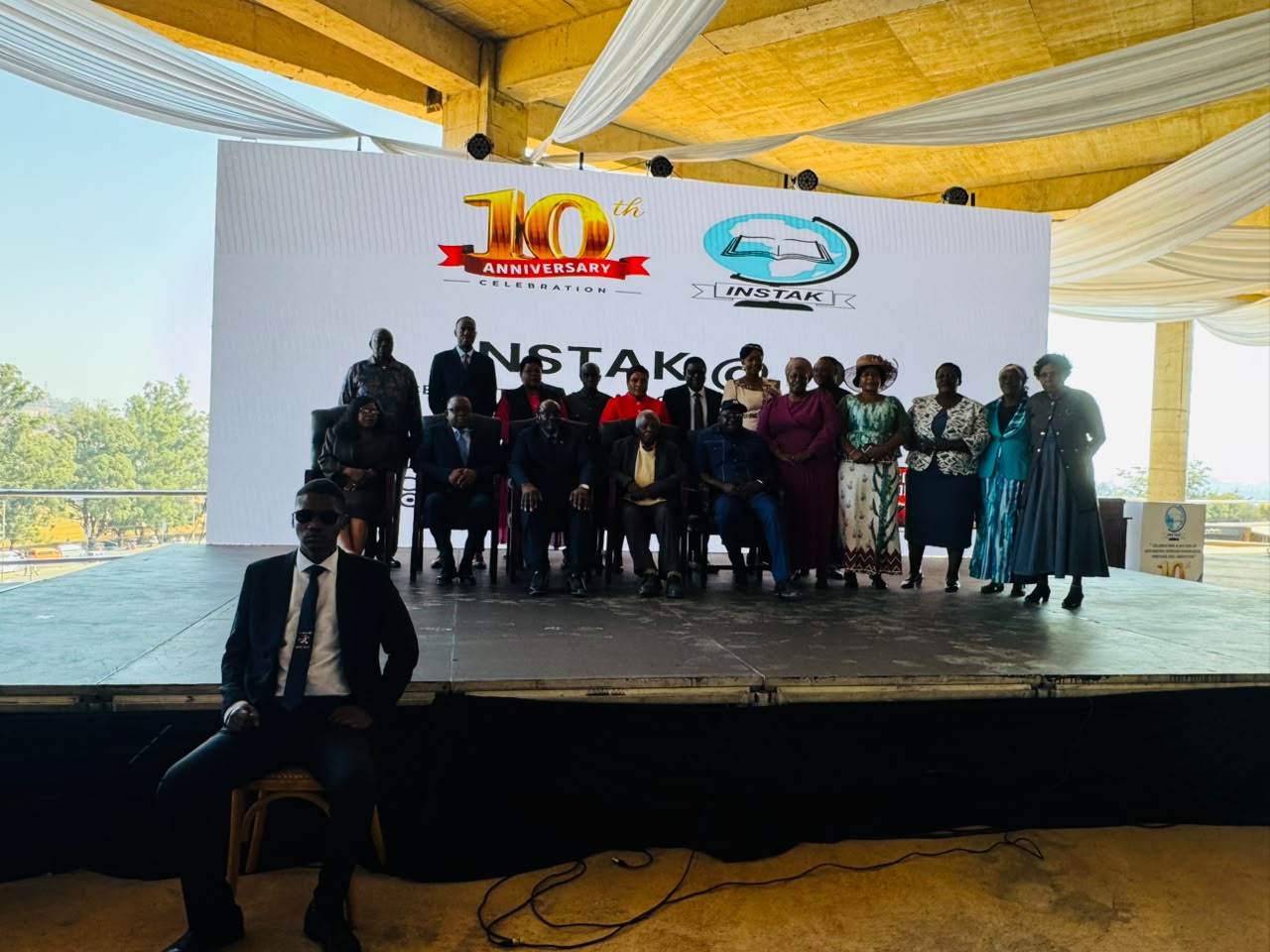
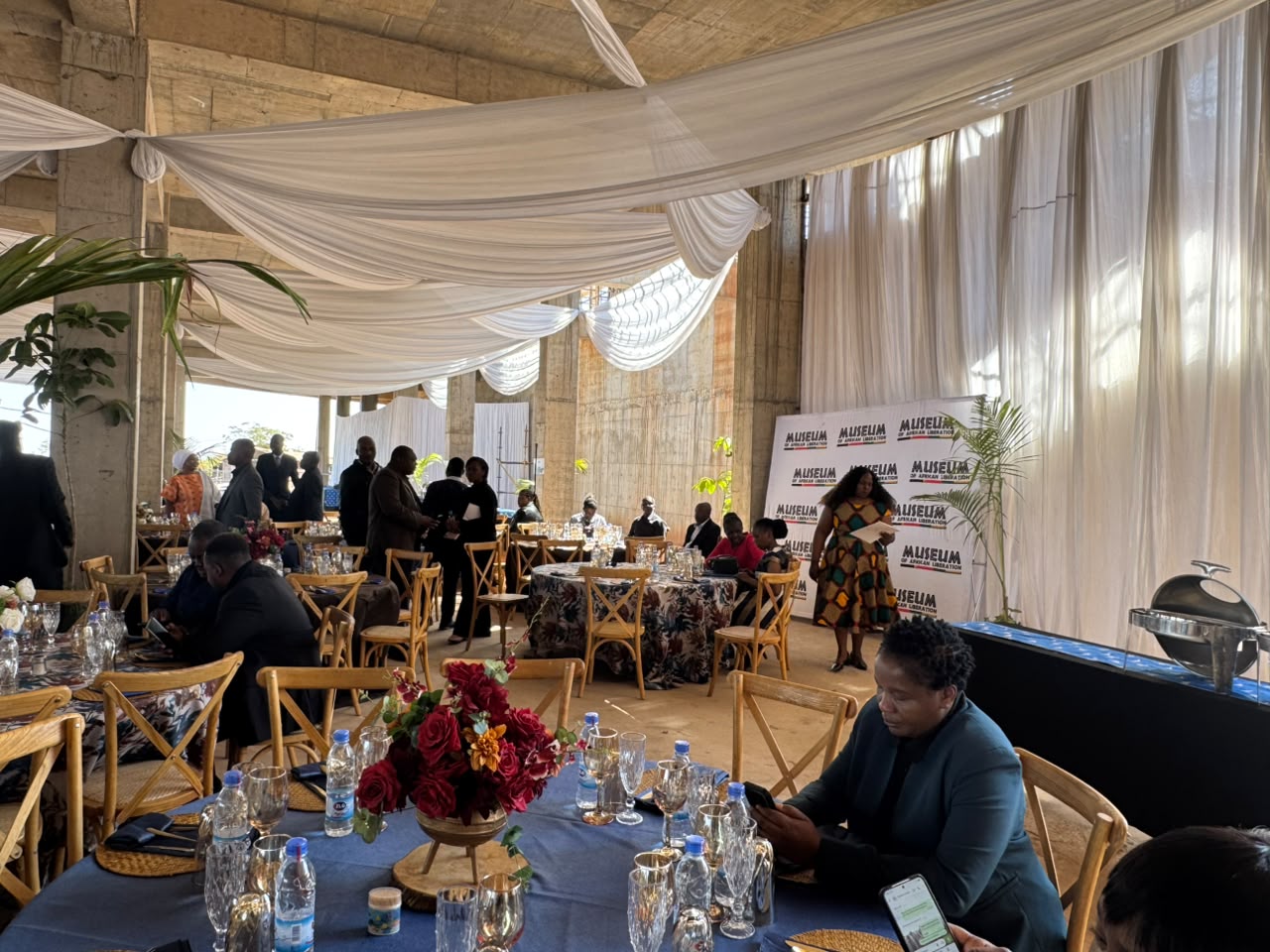
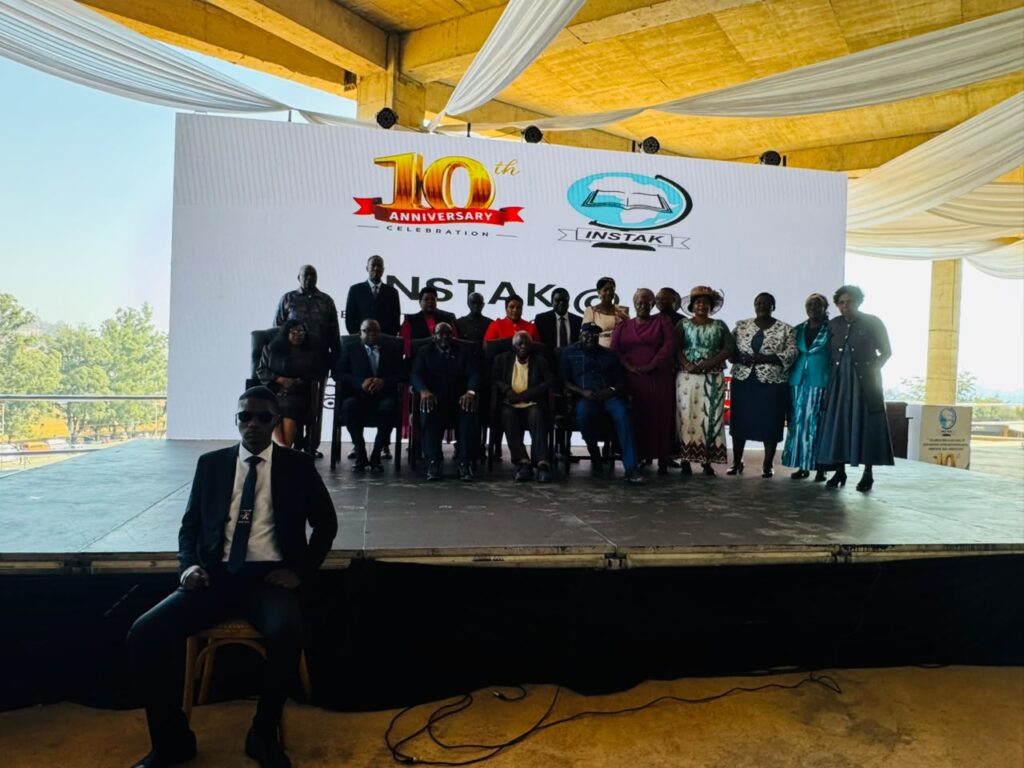
The announcement came during the Vice President’s keynote address at the Institute of African Knowledge’s (INSTAK) 10th anniversary celebrations at Liberation City, underscoring the growing continental buy-in for a project that Zimbabwe insists belongs not to one nation, but to all of Africa.
“To date, Ambassador Mumbengegwi has successfully engaged at least twenty-two Heads of State and Government from Africa and beyond to support the Museum,” Dr Mohadi told an audience that included members of the diplomatic corps, ministers, and senior government officials.
“These consultations have reinforced an important principle—that the Museum belongs not only to Zimbabwe, but to the entire African continent.”
The Vice President was referring to Ambassador Simbarashe Mumbengegwi, one of Zimbabwe’s most distinguished diplomats, who was appointed by President Mnangagwa as Special Envoy on the Museum of African Liberation—a move Dr Mohadi said demonstrated “the premium that Government places on ensuring that the Museum enjoys genuine African ownership.”
The Museum of African Liberation, which stands at the heart of the sprawling Liberation City heritage precinct, is far more than an architectural landmark, the Vice President emphasised. It is a “repository of Africa’s collective memory” that will preserve the history of liberation movements from across the continent.
“For Zimbabwe, whose liberation struggle occupies a distinguished place in African history, it is fitting that such a continental institution should find its home here,” Dr Mohadi said.
The diplomatic push comes as Zimbabwe intensifies its bid to host the 2027 African Union Mid-Year Coordination Summit—a prestigious gathering that would place the country firmly in the continental spotlight.
“As Zimbabwe steps up its bid to host the 2027 African Union Mid-Year Coordination Summit, Liberation City will undoubtedly play an increasingly strategic role in showcasing our country’s heritage, our hospitality, our investment opportunities and our enduring commitment to Pan-African unity,” the Vice President said.
The Vice President’s address also highlighted INSTAK‘s growing role in regional integration, noting that Liberation City had already hosted major events, including activities associated with the 2024 SADC Summit, during which the groundbreaking ceremony for the SADC Liberation Square was conducted.
“INSTAK is not merely supporting Zimbabwe’s national development agenda,” Dr Mohadi said. “It is contributing directly to regional integration within SADC and to the realisation of the African Union’s Agenda 2063.”
The Government has accorded Liberation City National Project Status, a designation that reflects President Mnangagwa’s recognition of the project’s global significance, according to the Vice President.
The diplomatic momentum around the Museum represents a significant achievement for INSTAK, which was formally established in 2016 following the endorsement of its Africa Factbook by African leaders at the AU Summit in Kigali that same year.
The Vice President traced the institution’s origins to a broader continental struggle for “intellectual sovereignty,” arguing that while Africa had won political independence, “another struggle remained unfinished.”
“The Government is proud to support this initiative because it reflects values that have always guided our foreign policy—Pan-African solidarity, regional cooperation and respect for the sacrifices made by those who fought for Africa’s freedom,” he said.
The revelation of the twenty-two engagements with African heads of state signals a quiet but determined diplomatic offensive by Harare, leveraging Liberation City as both a heritage project and a strategic diplomatic asset.
With Zimbabwe now positioning itself as a hub for Pan-African cooperation, the Museum of African Liberation is emerging as the centrepiece of that ambition—a symbol that the country intends to play a leadership role in shaping the continent’s narrative for generations to come.
As Vice President Mohadi put it: “The Museum belongs not only to Zimbabwe, but to the entire African continent.”
And with two dozen heads of state already on board, that vision is rapidly becoming a diplomatic reality.
About Author