By Violet Mashonga
In the heart of Hurungwe, a quiet revolution is underway—one that is transforming lives, preserving wildlife, and proving that conservation and community development can go hand in hand.
The Zimbabwe Parks and Wildlife Management Authority (ZimParks) has launched a series of projects aimed at improving access to clean water, enhancing rural livelihoods, and promoting coexistence between humans and wildlife.
Through borehole drilling and sustainable agriculture initiatives, both people and nature are beginning to thrive.
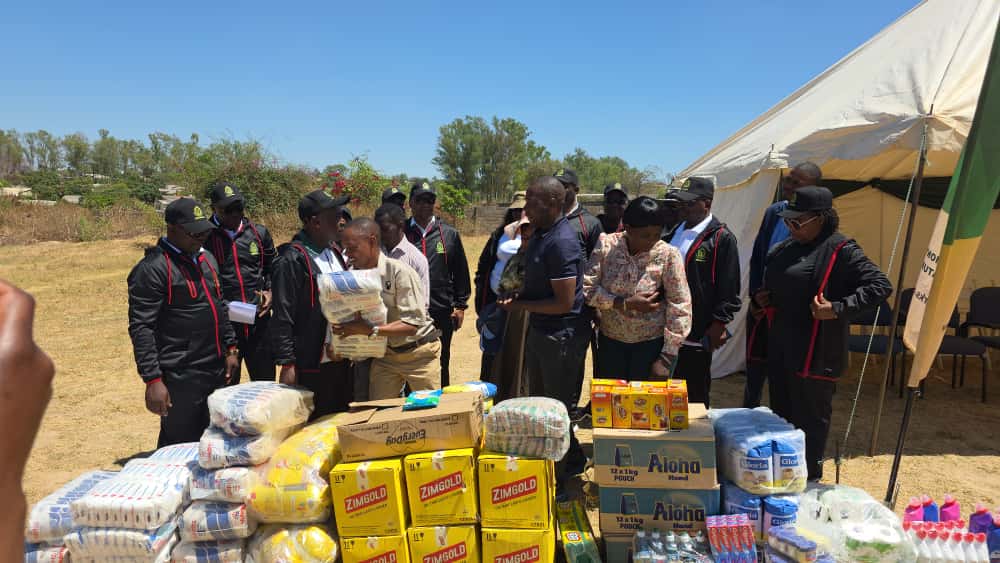
During a recent tour of the project, ZimParks officials, led by Felix Chimeramombe, Mid-Zambezi Cluster Regional Manager, highlighted the power of collaboration in driving conservation success.
One standout initiative is the Nyamakate Hotel Village Agroecology Facility, a community-led center focused on eco-tourism and sustainable farming.
“This is more than a conservation project—it’s a lifeline,” said Chimeramombe. “By working with partners like the African Wildlife Foundation and the Zambezi Conservation Company, we’re ensuring that wildlife-rich areas are protected while supporting local livelihoods.”
At the core of these efforts is water—a vital resource for survival in rural Zimbabwe. Thanks to the Zimbabwe National Water Authority (ZINWA), new boreholes are helping to support nutrition gardens, fisheries, and the broader Village Business Unit (VBU) model, which seeks to empower communities economically.
Minister of State, Hon. Mafrian Chombo, expressed her excitement at the transformation taking place in Hurungwe.
“Water brings life—not just to crops and animals, but to entire communities. ZINWA’s work is laying the foundation for food security and sustainable enterprise in this region,” she said.
ZimParks’ integrated approach to conservation recognizes that preserving the environment cannot happen in isolation.
When local communities benefit from conservation—through better nutrition, economic opportunities, and skills development—they become key allies in protecting the natural world.
Aligning with Vision 2030
These projects align with Zimbabwe’s Vision 2030, which aims to transition the country to an upper-middle-income economy through inclusive growth, resilience, and innovation. Rural development plays a critical role in that vision, with conservation serving as a catalyst for transformation.
“We are building a future where wildlife and people flourish together,” said Chimeramombe. “This is what sustainable development looks like—shared responsibility, shared benefits.”
As boreholes bring clean water to thirsty lands and conservation brings renewed hope, the Hurungwe story stands as a powerful reminder: when communities and conservationists work together, the impact is deep and lasting—not just for this generation, but for the many to come.
At a Glance: Key Partners & Initiatives
ZimParks: Leading conservation and development efforts
ZINWA: Providing water infrastructure
African Wildlife Foundation & Zambezi Conservation Company: Supporting ecosystem protection
Nyamakate Agroecology Facility: A model for community-led sustainable development
Village Business Units (VBUs): Empowering communities through enterprise

About Author