By Jonathan Mbiriyamveka
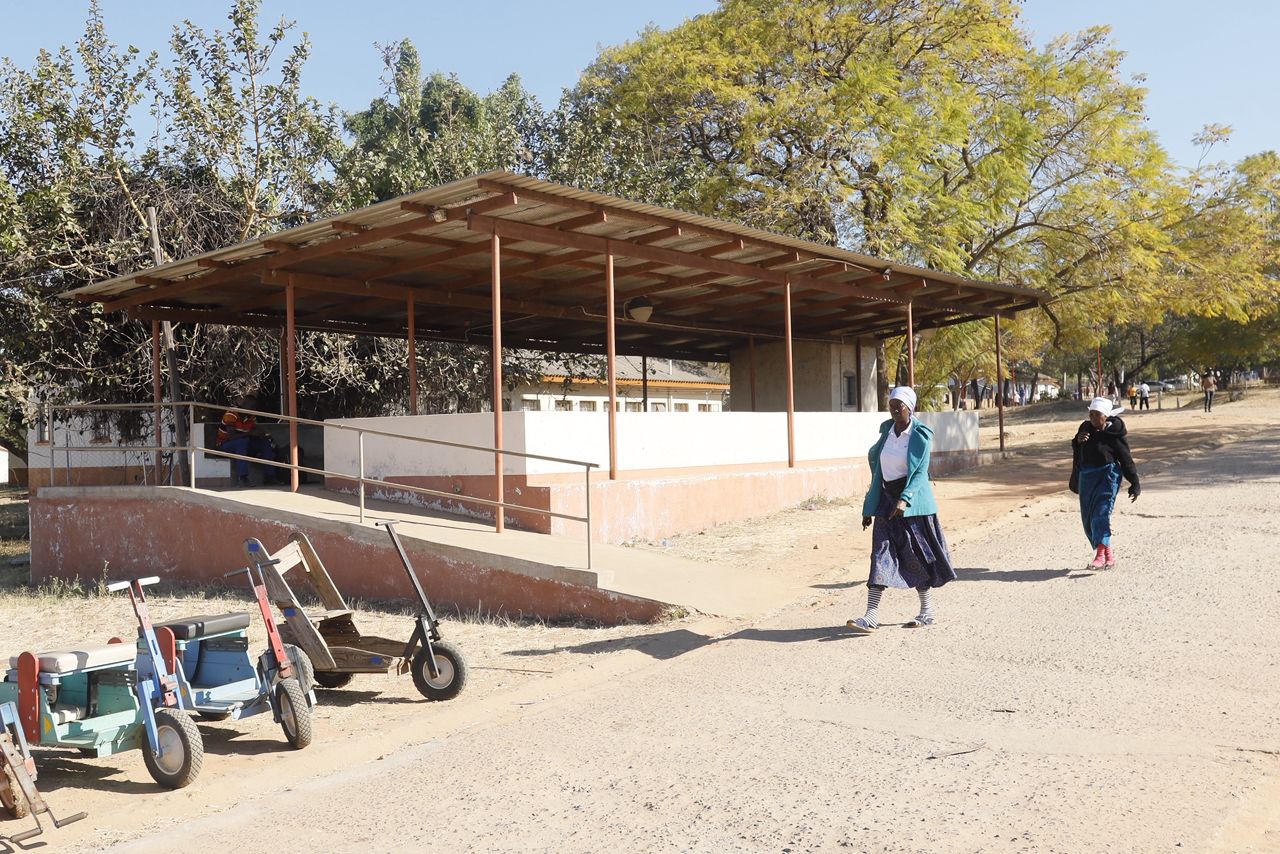
MOUNT DARWIN — At Karanda Mission Hospital, 278 staff members serve 140,000 patients annually with just 165 beds.
They perform 51,000 outpatient consultations and 4,000 surgeries each year. By any measure, the numbers are staggering.
But Karanda is not unique.
Across Zimbabwe, rural hospitals are buckling under patient loads they were never designed to handle — and the gap between what they can do and what they are asked to do grows wider every year.
Karanda Mission Hospital Chaplain Reverend Mark Sikulao said most people in the area are economically poor.
“Most people here are economically poor. When they bring a sick relative, they cannot afford the US$35 lodges or even the US$5 per person at local shops. So they sleep outside the gate — in the cold, along the fence, sometimes in their cars if they have one.
“We find their blankets in the morning and bring them inside. Our shelter is too small. When it rains, we invite them into the shed, but it cannot hold everyone ethically. We pray for a solution — a proper shelter divided for men and women, with more toilets. That is one of our biggest challenges.”
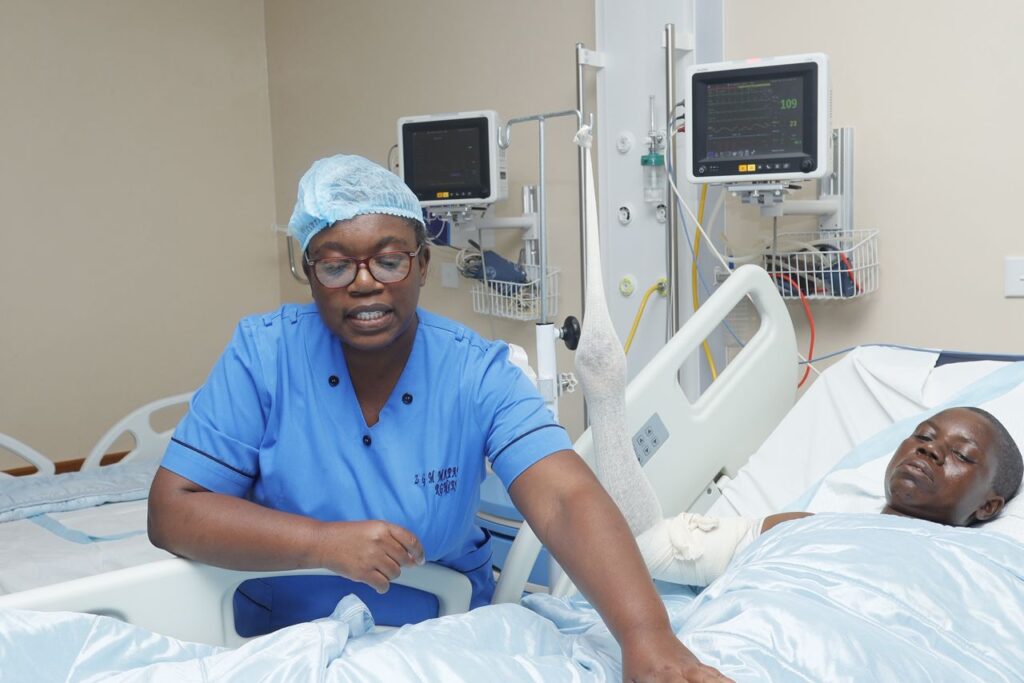
Karanda Mission Hospital superintendent Dr Takudzwa Sasa added: “We need about 500 litres of diesel a day — that’s around US$1,000 — just to keep the hospital running for a few hours. “Karanda is on the national grid, but we don’t have a dedicated line like emergency services do. When there’s load-shedding, we lose power. We can’t tell a patient their caesarean is delayed because the generator ran out. We’ve been asking the Minister’s office for a dedicated line. It’s expensive, but we cannot compromise patient care.”
A system in crisis
Zimbabwe’s public health system has collapsed due to corruption, lack of accountability, poor working conditions, and chronic shortages of funds, medicine and equipment.
The country is experiencing a severe “brain drain” as doctors and nurses leave in large numbers for better pay and working conditions abroad.
Veteran surgeon Matthew Wazara recently delivered a sobering assessment: Zimbabwe has fallen from operating one of Africa’s strongest medical systems to becoming “a training ground crippled by underfunding, obsolete infrastructure and chronic shortages of medicines”.
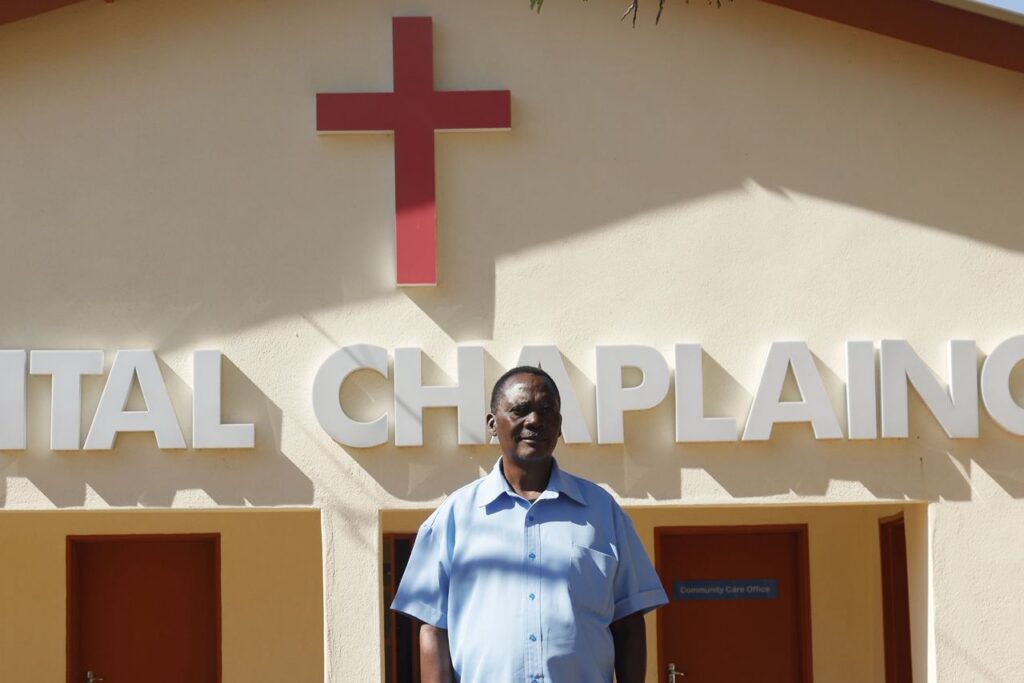
Rev Sikulao
“The calamity is not a passing crisis,” Wazara said. “It is structural, systemic and has been long in the making”
Tragic consequences
The consequences are measurable — and devastating. In January 2025 alone, 299 infants and 54 mothers died due to childbirth complications in Zimbabwe.
Dr Shingai Nyaguse, President of the Zimbabwe Senior Hospital Doctors Association, described the statistics as “alarming” but “not surprising”.
Delayed access to healthcare is a major factor. “Many patients fail to attend antenatal care for various reasons, including financial constraints and cultural beliefs,” Dr Nyaguse said. “When women do seek medical care, it is often too late”.
Even when patients reach the healthcare system, they face delays due to inadequate equipment and staff shortages. Zimbabwe’s largest hospital has only one maternity theatre, built in 1977.
Mission hospitals as lifelines
In this context, mission hospitals like Karanda have become critical safety nets. Patients travel from across the country — from Chipinge, Chiredzi, Bulawayo, and even Botswana and Mozambique — to seek care.
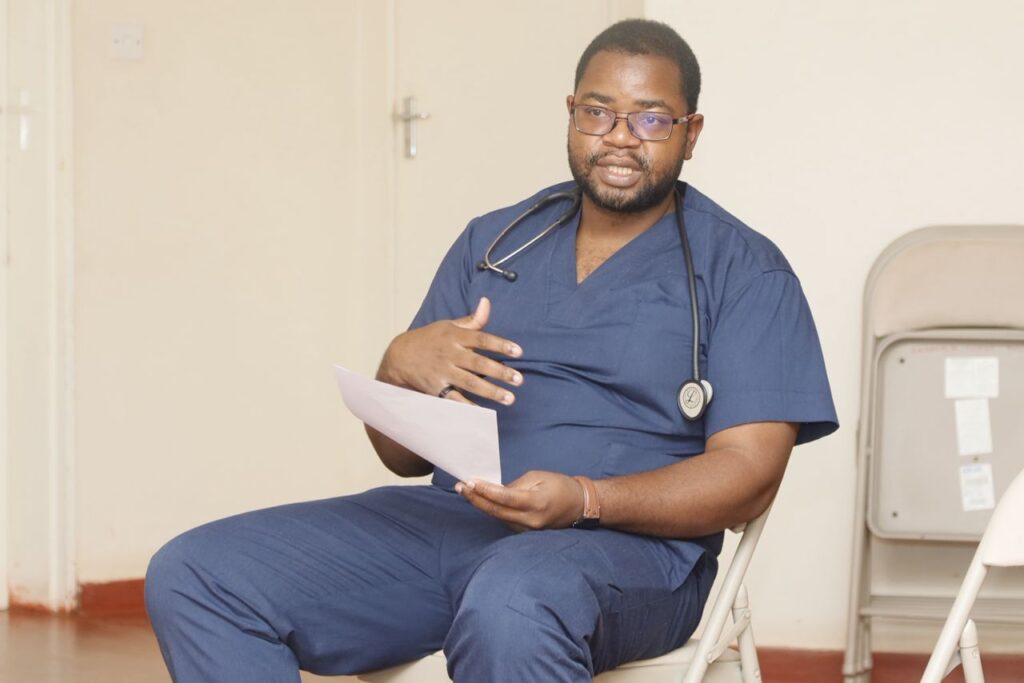
Dr Sasa
Tendai Chambati from Harare recalls her life-saving trip to Karanda after government hospitals could not properly treat her chronic illness due to a lack of required medical resources.
Private hospitals were too expensive.
“Standing between the hard place and a rock,” she said, “I was advised to go to Karanda, the trip which saved my life”.
Karanda’s approach is different. Founded in 1961 to address the needs of clinics built alongside churches and schools, it has maintained a reputation for excellence that draws patients nationwide.
Despite resource constraints, the hospital performs complex surgeries and treats chronic illnesses including HIV/AIDS and TB.
Government response
The government has acknowledged the scale of the challenge. Under the National Development Strategy 2 (NDS2), authorities plan to establish at least one fully equipped hospital in every district across Zimbabwe.
“A fully equipped district hospital will be capable of providing comprehensive secondary healthcare services, including diagnostic imaging such as X-rays and CT scans, well-resourced laboratories, intensive care units, modern medical equipment and digital health technologies,” reads the strategy document.
The Ministry of Health was allocated ZiG30.4 billion in 2026 — 15 percent of the National Budget — in line with the Abuja Declaration commitment.
Zimbabwe has thus met the continental health spending benchmark for the first time in years.
By 2030, government aims to double the current health workforce, creating 32,000 additional public health jobs.
The gap remains
Despite these plans, the gap between policy and practice remains wide. Zimbabwe’s health system still operates largely on infrastructure designed for a smaller, segregated population in the 1950s and 1960s. Rural clinics remain under-equipped, health workers overstretched and underpaid.
“The problem is the continued reliance on an outdated health delivery model,” Wazara said.
For now, mission hospitals like Karanda fill the void — not because they are fully resourced, but because they have refused to give up.
As Karanda’s chaplain, Reverend Mark Sikulao, puts it: “God heals, and the doctors can only treat.”
“Our mortuary only takes up to six bodies, and on average we have two to three deaths and challenge is how do you kindly ask relatives to take the body. why? Because we believe everyone should be healed and survive here,” Rev Sikulao said.
For thousands of Zimbabweans who have nowhere else to turn, that is enough.
About Author