By Jonathan Mbiriyamveka
VICTORIA FALLS — The public speeches are warm. The welcomes are heartfelt. The proverbs about kinsmen gathering in the moonlight are inspiring.
But behind the closed doors of the Second African Preparatory Meeting for the ITU Plenipotentiary Conference 2026, a different conversation is taking place.
It is a conversation about power, about resources, about influence, and about whether Africa can finally claim its rightful seat at the global digital governance table.
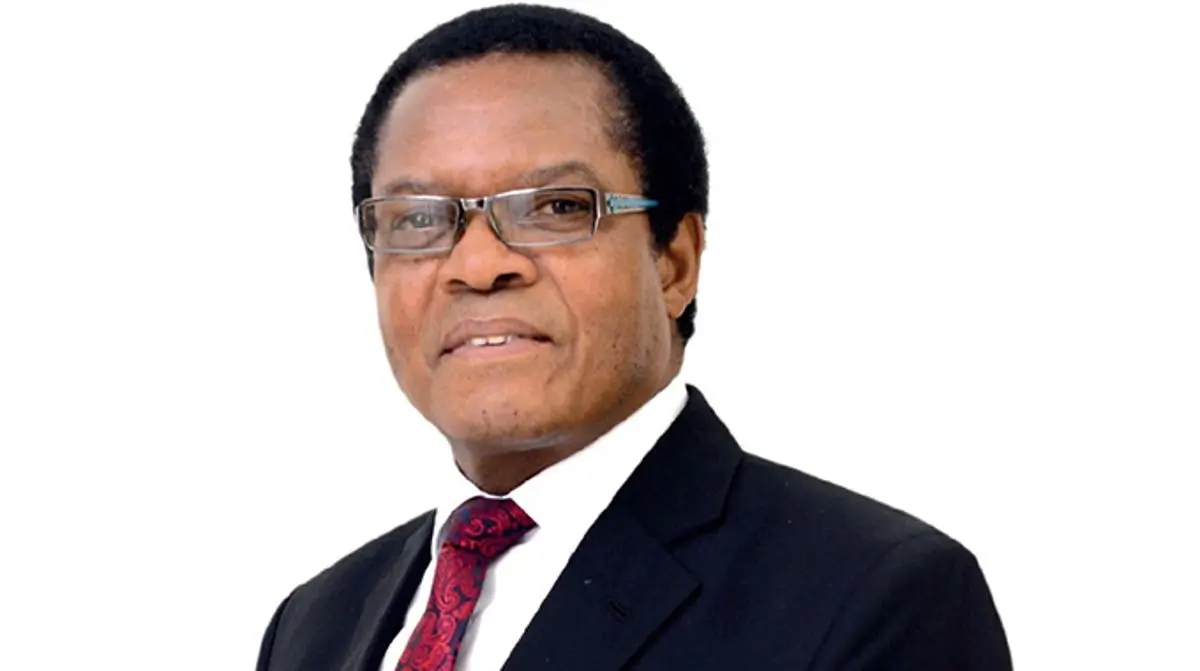
Dr. Gift Machengete, Director General of POTRAZ, did not hide the hard realities in his opening remarks. He laid them bare.
“The ITU Plenipotentiary Conference 2026 presents Africa with a pivotal opportunity to strengthen its influence in shaping the future global digital landscape, particularly in emerging technologies and next-generation connectivity systems,” he said.
But influence is not given. It is taken. And it requires, first and foremost, presence.
Machengete listed the specific structures where Africa needs to be represented: the ITU Management Team, the ITU Council, the Radio Regulations Board, and key Study Groups and Working Parties.
Each of these structures plays a critical role in global telecommunications governance.
The ITU Council acts as the governing body between Plenipotentiary Conferences, overseeing the Union’s operations and budget.
The Radio Regulations Board deals with the critical issue of spectrum allocation and satellite orbital slots — finite resources that are essential for mobile communications, broadcasting, and space services. The Study Groups develop the technical standards that make global telecommunications possible.
Being absent from these structures means being absent from the decisions that determine how the digital world operates.
Dr Machengete was clear about what is at stake.
“Africa must actively and effectively participate in ITU processes in order to safeguard its interests, promote equitable access, and ensure the sustainable and efficient use of global digital resources,” he said.
But what does that mean in practice? According to multiple delegates who spoke with this publication on condition of anonymity, the Second African Preparatory Meeting is focused on several specific objectives.
First, the identification of priority issues for Africa at PP-26. These include ensuring equitable access to spectrum and orbital resources, promoting affordable connectivity as a development imperative, and embedding African perspectives in discussions about artificial intelligence and emerging technologies.
Second, the development of a coordinated African position on elective positions. Multiple ITU leadership roles will be contested at PP-26, and African nations are working to identify candidates and build consensus around a slate that maximizes the continent’s representation.
Third, the harmonisation of voting strategies. With 54 member states, Africa is a significant voting bloc at ITU conferences. But that voting power is diluted when African nations vote differently. The preparatory meeting aims to align voting intentions on key issues.
Fourth, the establishment of mechanisms for ongoing coordination. PP-26 is not the end of the process; it is a milestone. African nations are discussing how to maintain communication and coordination throughout the conference and beyond.
One delegate described the mood in the closed sessions as “focused but realistic.”
“There is a lot of energy,” the delegate said. “People want Africa to succeed. People want us to have a stronger voice. But there is also an understanding that this is hard work. It requires compromise. It requires countries to sometimes set aside narrow national interests for the good of the continent.”
Another delegate noted that Africa faces structural disadvantages in ITU negotiations, including limited capacity in many national administrations, language barriers, and the sheer logistical challenge of coordinating 54 countries with diverse interests.
“These are not excuses,” the delegate said. “They are realities that we have to address. And meetings like this one are how we start addressing them.”
Dr Machengete acknowledged the challenges but rejected any suggestion that Africa should accept a peripheral role.
“To have such influence, Africa must assert its rightful place at the global ICT decision-making table,” he said.
The Second African Preparatory Meeting is the vehicle for that assertion. Over its two days, delegates will debate, negotiate, and ultimately produce a coordinated African position to take to PP-26.
The world will be watching.
And for once, Africa intends to be ready.
About Author