

JONATHAN MBIRIYAMVEKA
Whoever said Christmas Day comes but once a year will change their mind if they go to Lingwe, Matobo district, deep in Zimbabwe’s remote province of Matabeleland South.
Here, every day is a celebration of life these days. The community and schools in these parts, within the 13-kilometer radius, now receive clean piped water. It transforms lives of many, in more ways than one.
You can even see it in their skin texture, they are glowing! Their livestock are a healthy herd!

Gone are the days when the blistering heat and dry spells affected their gardening, washing, drinking or cooking.
So while climate change is inevitable, the villagers in Ward 8 now have mechanisms to cope with such natural disasters as drought and global warming.
Most importantly, the source of happiness is a newly established solar powered water scheme in March this year.
A recent visit by Unicef staff, development partners, funders and media at Lingwe Village Solar Powered Scheme was met with jubilation and elation. Attesting to a sense of ownership. Who doesn’t want to own something!
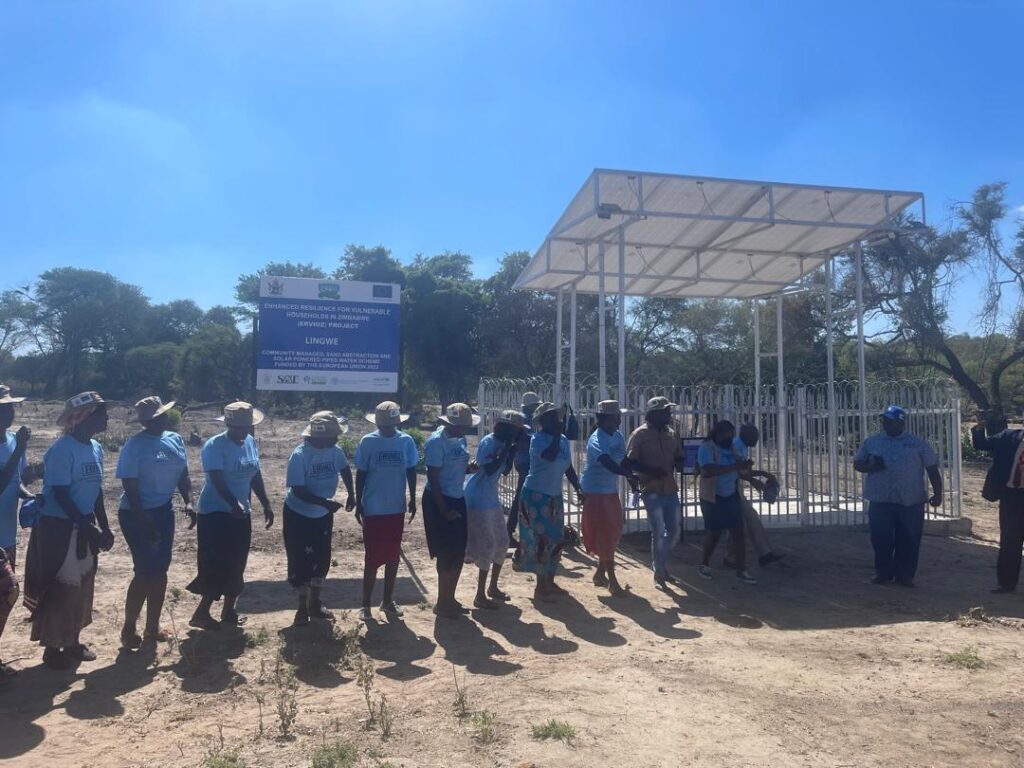
Notably, the solar powered water system replaced the diesel-powered scheme which often broke down when it was needed most, a huge cost the community. This was part of the Enhanced Resilience for Vulnerable Households in Zimbabwe (ERVHIZ) Project.
The government-backed project, co-funded by FAO and Unicef Zimbabwe, facilitated the rehabilitation of the Lingwe Pipe Water Scheme and the installation of nine water taps in Lingwe Village.
The other partners who contributed to the success of the project are Christian Care Zimbabwe, Sustainable Agriculture Technology (SAT), Nutrition Action Zimbabwe (NAZ) and the European Union.
Prior to the Lingwe piped water scheme, the villagers used to walk eight kilometers to fetch water from the Tshatshane River, which has long dried up due to the El Nino induced drought.

The project shows how providing clean water and better food and good hygiene practices (WASH) can make a big difference in rural communities.
At least 216 households across several villages – including Zamadube, Lingwe and Matshina now have access to clean piped water.
This benefits over 1 300 people, including people with disabilities.
The close proximity of the water taps has brought relief and sense of security, especially for women.
Evis Dube (46), the ERVHIZ water point committee member, said prior to the new water scheme there were a series of challenges posed by lack of access to clean water. It exposed women to muggings, sexual assault and in some cases domestic violence.
“There were a number of cases of gender-based violence as men and women clashed over how to use the water sparingly. Another issue was that sources of water, which exposed women and girls to muggings,” Dube said.
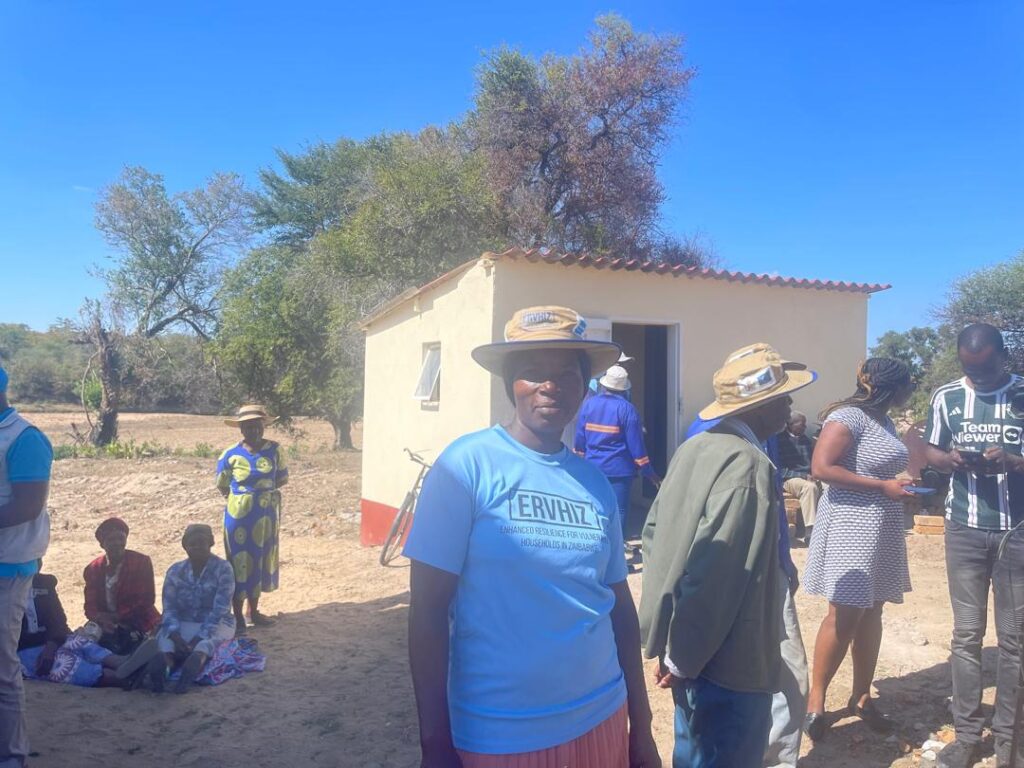
Matabeleland South receive very little rainfall, making it difficult to access clean groundwater. Previously, villagers relied on the Tshatshane sand river for water, which exposed them to waterborne diseases.
The ERVHIZ project prioritised the long-term viability of the water scheme by implementing several key measures. To ensure proper management and upkeep of the water source, the project provided training to both water point committees and a dedicated operations and maintenance team.
This empowers the community to take ownership of the project and address any challenges that may arise.
Added to this, Dube said Lingwe villagers were involved in the installation process; building a strong sense of responsibility for the continued success of the water scheme.

A monthly water levy as provided for in the constitution of the committee was established in March 2024 and it stipulates that every household contributes R10 a month for the sustainability of the scheme.
The system generates funds that are used for ongoing maintenance, ensuring constant supply of clean water.
“We didn’t just build a well, we built a future. By training our community and involving them every step of the way in the, we ensured this clean water will flow for generations to come,” Dr Shepherd Shumba, the project officer said.
Over and above, other villagers were trained as security guards to keep an eye on the project’s infrastructure. Fencing and other security features were installed around the solar panels, pumps and tap stands to prevent vandalism and theft.
The District Water and Sanitation team will provide ongoing technical assistance to the community.
This ensures that the community has the support they need to maintain the water scheme and continue to enjoy access to clean water.
At least 50 beneficiaries were tasked with running a garden that would help the community to take charge of their own health by growing fresh, nutritious food in a sustainable way.
Lingwe Primary School, which is covered by the piped water scheme, looks set to improve on children’s health and hygiene.

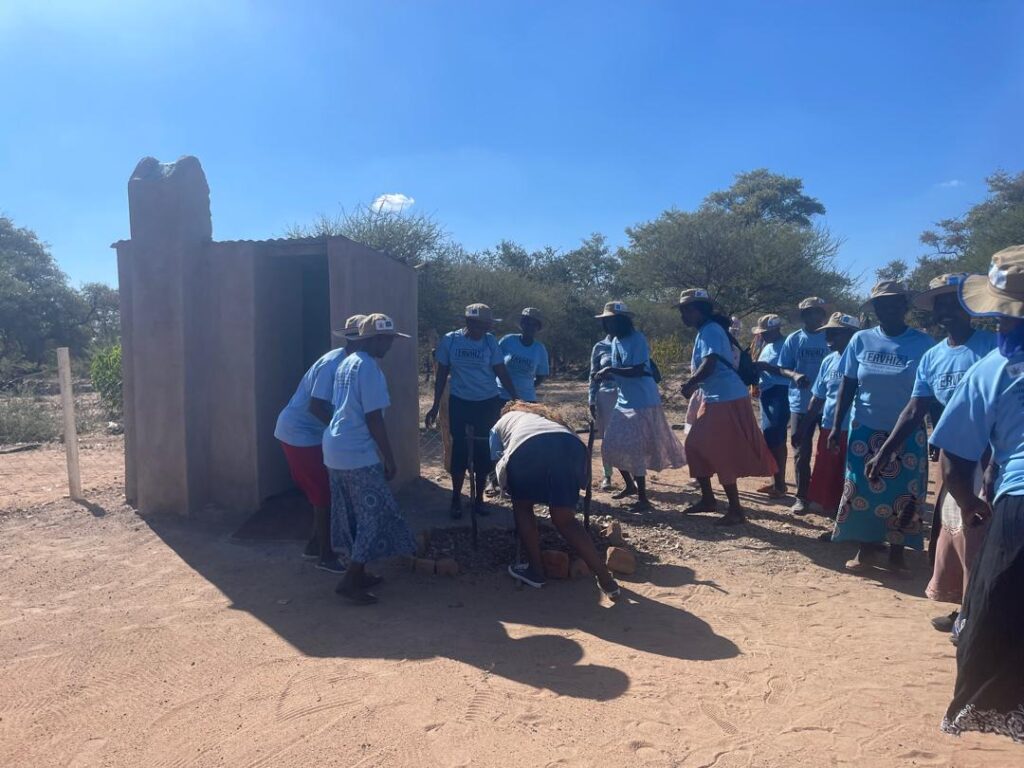
Established in 1924, the 100-year-old school, now boasts clean water and also girl-friendly toilets expected to boost their self-esteem.
Ferdinand Namate, the headmaster of Lingwe Primary, applauded the development. He said they are expecting to increase their enrolment. There is enough water, so it will upscale their garden.
“We are delighted that now we have clean water,” Namate said.
“Not just for drinking and gardening, but also to provide necessary amenities particularly the construction of girl-friendly toilets. We are also pleased that after using the toilets there are water taps outside so that they can wash their hands. This means both the pupils and teachers are safe from many water-borne diseases.”
Taungana Ndoro, the Director of Communications and Advocacy in the Ministry of Primary and Secondary Education, said the Lingwe pipe water scheme should be replicated in other rural schools.
“As the ministry we have said each and every one of our 10 700 schools should have fresh water facilities within the premises of the school,” he said.
“This is one such example, water is now accessible within the premises of the school. This is the strategy that we are doing in all our schools in rural and remote areas. We want them to have fresh and clean water within the premises of the school.”

Takaendesa Sanangurayi, the Unicef WASH Resilience Capacity Building Consultant said the Lingwe Pipe Water Scheme serves as a model for building resilience in rural communities.
The ERVHIZ project has provided a sustainable solution for clean water access and improved health for the Lingwe community through combining WASH, agriculture and nutrition.
Regis Makoni, the Christian Care Zimbabwe programmes director, said his organisation facilitated the rehabilitation of the Lingwe Pipe Water Scheme.
“No community can survive without water,” remarked Makoni. “Water is life. Everything needs it to survive, from plants to animals. As an organisation we could not ignore the cries of the people of Lingwe. But we could not do it alone that is why we partnered with other organisations and the Government.”
82-yer-old Lingwe village headman, Midas Ndebele, could not hide his elation. “The government had transformed our lives in more ways than one,” he said.
About Author

