By Petronella Katumbe
It was a chilly mid-August morning. By 4:00am, I was already up and rushing to catch transport to the Harare Central Business District (CBD).
The weather was uncomfortable, but I bundled up to stay warm and kept going.
In town, I met several other health professionals heading to the same destination: Karanda Mission Hospital.
Our goal was to save lives through a medical outreach program led by Cancer-Serve and Miracle Mission Vimba, in partnership with our host, Karanda Hospital.
Several other organizations had also provided various forms of support to make the trip a success.
On a mission like this, normal meal schedules and food choices become a luxury. Although team members had different preferences, everyone enjoyed a delicious morning meal provided by Steers and Nando’s.
On the bus, those who already knew each other quickly reconnected and caught up. Others spent the ride dozing off or working on their phones and laptops.
It was a long trip, but after about two and a half hours, our bus carrying 50 passengers arrived at Karanda Hospital.
The journey was shortened thanks to the new 180-meter Karanda Bridge across the Ruya River. Officially opened by President Emmerson Mnangagwa on April 15, 2021, the bridge allowed us to travel smoothly along the Rushinga Road.
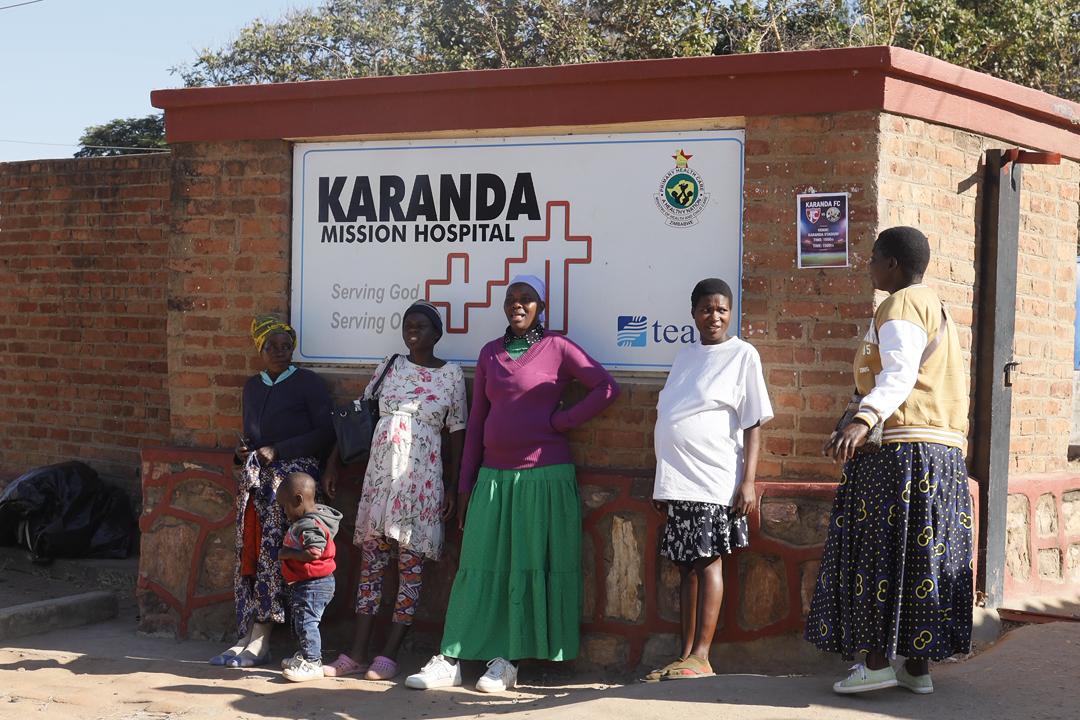
As soon as I stepped off the bus, I was met by more than 100 pairs of hopeful eyes belonging to patients waiting to be screened for cancer.
This was going to be my team for the day. Within minutes, every health expert and volunteer was assigned to a workstation.
Screening and Testing
The screening and testing process was demanding but well-organized. The patients were a mix of elderly and middle-aged individuals, with women outnumbering men.
Before patients went for ultrasound scans, it was essential to check their blood pressure and screen for conditions like diabetes.
While some patients required detailed clinical examinations, others only needed routine checks to receive medication for high blood pressure.
Many patients were tested for diabetes, and counseling was provided throughout these processes. In one of the tents, ultrasound scans helped many patients better understand their health.
Men benefited significantly by getting checked for prostate enlargement.
Men often delay seeking medical care, so outreach events like this help raise awareness about the dangers of undetected cancer.
During the session, many men also learned that while breast cancer mostly affects women, men can be diagnosed with it too.
Visual Inspection with Acetic Acid and Cervicography (VIAC) was another vital service offered. Many women participated, aware that cervical cancer is the leading cause of cancer deaths among women, followed by breast cancer.
Eye screenings were also provided as part of a holistic approach to health, and several patients received free reading glasses.
Dedication and Resilience
Medical outreach programs require substantial funding. However, with the decline in global funding following policy shifts in international aid, donations have dwindled.
Despite limited resources, health experts and volunteers continue to dedicate their time to saving lives.
The visible enthusiasm of oncologists Dr. Anna-Mary Nyakabau and Dr. Kundai Makova energized the young volunteers.
Doctors, nurses, and medical staff get tired just like anyone else. Yet on this day, a shared sense of purpose kept everyone going—some even chose to skip their lunch breaks to ensure all patients were served.
More local companies ought to step forward, form partnerships, and help fund outreach programs like this.
By the end of the day, our feet were sore and our bodies weary, but hearing the positive testimonies of cancer survivors made all the hard work worthwhile.
About Author