By Admore Mbonda | Magunje
Hurungwe District is emerging as a new industrial hub following the establishment of the WIH-ZIM Cement Manufacturing Plant in Magunje, a landmark investment expected to significantly boost Zimbabwe’s cement production capacity and stimulate regional economic growth.
The US$700 million project, one of the largest industrial investments in Mashonaland West Province, is designed to produce up to 1.8 million tonnes of cement per year, alongside 1.2 million tonnes of clinker annually.
This output is projected to ease persistent cement shortages that have constrained infrastructure development nationwide, while also positioning Zimbabwe to meet growing regional demand.
Equipped with modern production technology, the plant includes a ready-mix concrete facility, brick-moulding machinery, and plans for integrated power generation.
These features enhance operational efficiency and strengthen supply-chain resilience within the construction sector.
Beyond production, the investment is expected to deliver substantial socio-economic benefits. Traditional leader Chief Chanetsa highlighted the employment impact, noting that the project is projected to create approximately 2,000 jobs, primarily for local youths.
“Employment opportunities of this scale will not only uplift household incomes but also address social challenges such as drug abuse and other vices by providing meaningful livelihoods,” he said.
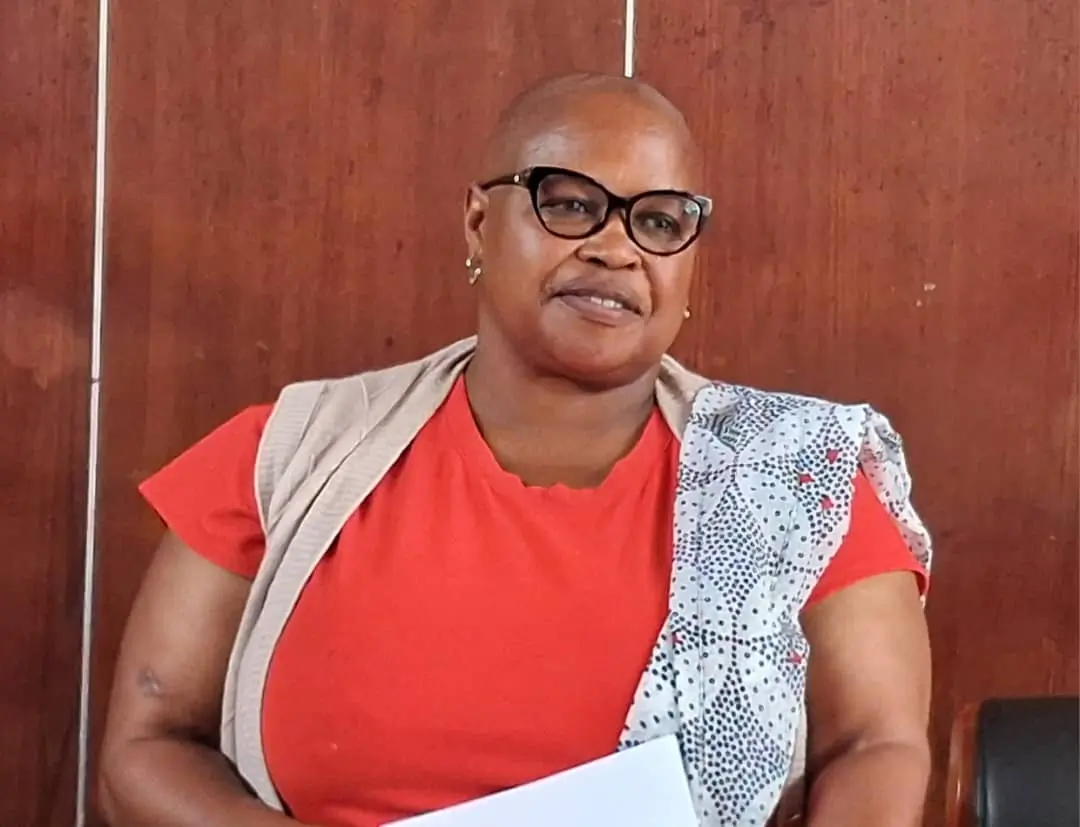
Government officials have welcomed the project as a critical driver of industrialisation. Mashonaland West Provincial Affairs and Devolution Minister, Cde Marian Chombo, toured the facility with a delegation of senior officials and described the investment as a strategic response to national development needs.
“Mashonaland West is becoming a key cement-producing province, with major projects now in Magunje, Chegutu, and Zvimba,” Minister Chombo said.
“Cement shortages have slowed development for years, and this investment puts us on a positive trajectory.”
While reaffirming government support, Minister Chombo stressed the importance of regulatory compliance and environmental sustainability.
She underscored the need for comprehensive environmental impact assessments and adherence to mitigation measures to ensure long-term viability.
The government tour also aimed to identify and address any regulatory or infrastructural bottlenecks that could affect operations.
WIH-ZIM Cement’s expansion plans, which include clinker production and on-site power facilities, are expected to further strengthen local infrastructure and attract ancillary industries.
As the plant moves closer to full-scale production, Magunje and the broader Hurungwe District stand to benefit from increased economic activity, skills development, and improved infrastructure.
If supported by sound policy and sustainable practices, the WIH-ZIM Cement Manufacturing Plant could become a cornerstone of regional industrial growth and a catalyst for long-term economic transformation.
About Author