

By Jonathan Mbiriyamveka
At least two pupils from Sakubva 1 High School — one attending O Level and another in Sixth Form — last year died from drug overdose while several others were suspended.
These shocking reports were revealed by Miss Pelagia Ndlovu, a Chemistry teacher and also the patron of School Health Club at Sakubva 1 High School.
However, she said, since the launch of the school health club the prevalence of drug and substance abuse significantly dropped, no deaths recorded and cases of child marriages or domestic violence against children reduced.
The oft-common drugs being peddled in schools like Sakubva 1 High include marijuana, crystal meth, cocaine, heroine and fentanyl to mention a few.
The club members meet at least twice a week to share their knowledge on sexual reproductive health, domestic violence as well as drug and substance abuse.

A media tour witnessed firsthand the impact of School Health Clubs which were established with funding from USAID through UNICEF Zimbabwe and support from the Ministry of Primary and Secondary Education and their implementing partners Youth Advocates, a lot of positives have been recorded not just in schools but also in communities where the members live.
In separate interviews with Gem Nation News pupils from St Dominic’s High School and Sakubva 1 High School in Mutare shared same sentiments with regards to the impact of School Health Clubs.
One of the issues was that the uptake of drug and substances was caused by the advent of Covid-19 induced lockdowns where most pupils lied idle.
And in that idleness came boredom which led young people to indulge and experiment with drugs and substances while others engaged in sexual activities.
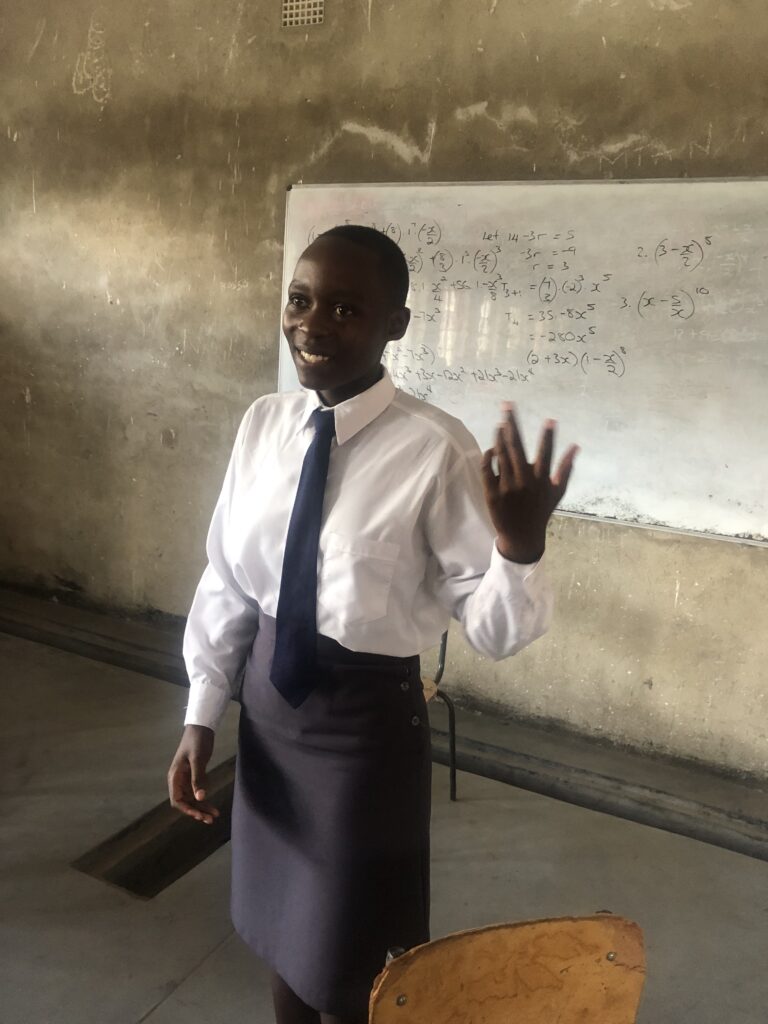
The pupils also lauded the establishment of school health clubs in efforts to reverse the consequences using peer-to-peer strategy.
Passionate Bonda (15) said: “There was one girl who got pregnant before sitting her exams last year and she was allowed to continue with school after giving birth.
So, by giving her another change to learn was a welcome move because she could have aborted but she didn’t. Most girls dropped out of school when they fall pregnant and as a club we encourage each other to be safe and abstain from having sexual intercourse.”
Another girl Stacy Kayela (15) said the clubs helped in allowing girls to open up and be confident in speaking their views.
“It is not just learning about sexual reproduction health but we also get to learn about leadership skills. How to perfect ourselves as leaders of tomorrow and also be able to be influential at school and in communities. As club members we seek to influence others to do good and stay healthy.”
Tinashe Chimaye (18) of St Dominic’s High School said the club offered them more knowledge than anywhere else.
“The club also tries to rehabilitate addicts and for those who are yet to get hooked we ask them to stay away from drugs. And also we learn about effects of climate change and HIV and Aids. We also share problems be they social or personal.”
Talent Chikuni of Sakubva 1 High School also told of how she used information from the club in her community.
She said she was able to assist a neighbour who was an addict to seek help and to go for counselling.
is no mean task but calls for combined efforts especially where pupils involved.
The School Health Clubs are formed and managed by students and
teachers to promote healthy living and behavior change in the school and surrounding communities.
The school health teacher acts as a patron who monitors and guides club activities, in line with Zimbabwe’s School Health Policy.
The primary goal of establishing and strengthening School Health Clubs is to promote and sustain behavioral change toward good health and hygiene practices, proper use and maintenance of hygiene
and sanitation facilities in schools, and to respond to emergencies.
Pupils lead, motivate, and educate other learners on positive behaviors and influence parents, caregivers, and communities on the same issues.
Learners translate knowledge through storytelling, poems, role plays, drama, and debates.
Human-centered design, nudges, and Youth-led Research are critical aspects that Youth Advocates promote through the clubs.
According to the director of Youth Advocates’ 393 Youth Helpline, Tatenda Songore, the organization provides a 24-hour platform for children and adolescents to report incidents of distress, including sexual exploitation, while ensuring personalized and confidential counseling and referral services.
The government-authorised helpline also serves as a feedback platform for over 4 million learners to participate, contribute, and give feedback on Fit for Life Fit for Work, Guidance, and Counselling sessions.
Additionally, Youth Advocates Leadership Program (YALEP) is a comprehensive online program using a peer-to-peer approach to address HIV/AIDS, SRHR, and Mental Health issues for adolescents and young people aged 10 to 24, which has empowered over 27,000 individuals.
Furthermore, Youth Advocates has supported the establishment and revival of School Health Clubs in Zimbabwe to promote healthy living and behavior change in schools and surrounding communities.
The clubs stimulate and raise students’ awareness of Comprehensive Sexuality Education, Mental Health, and Substance Abuse, improving behavior change and promoting good health practices and personal hygiene habits.
About Author

