By Jonathan Mbiriyamveka
In a bold move to bridge Zimbabwe’s long-standing rural-urban education gap, the People’s Own Savings Bank (POSB) has launched an USD 8.7 million Solar and Starlink Facility, aimed at powering schools, households, and small businesses with clean energy and reliable internet connectivity.
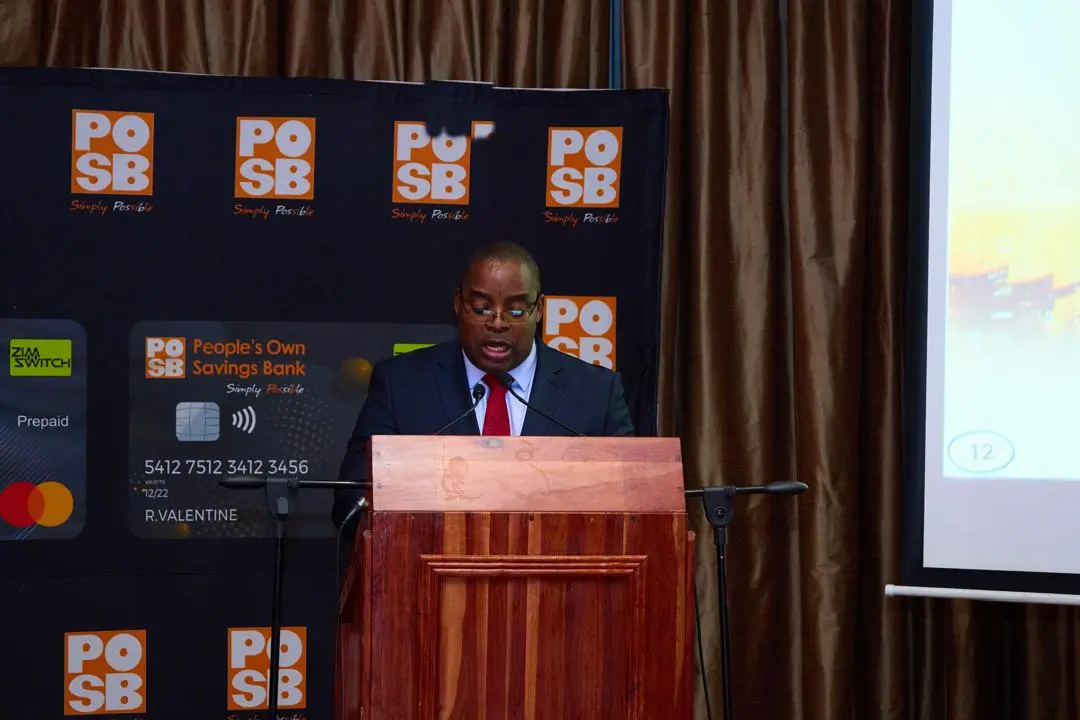
The initiative was officially launched by the Minister of Primary and Secondary Education, Honourable Torerayi Moyo (MP), at an event that brought together government officials, education stakeholders, and community representatives.
“This initiative is more than just a technological upgrade. It’s a direct investment in our nation’s future,” said Minister Moyo.
“No learner should be left behind because of where they live. With POSB’s facility, we are removing barriers to quality education for thousands of students.”
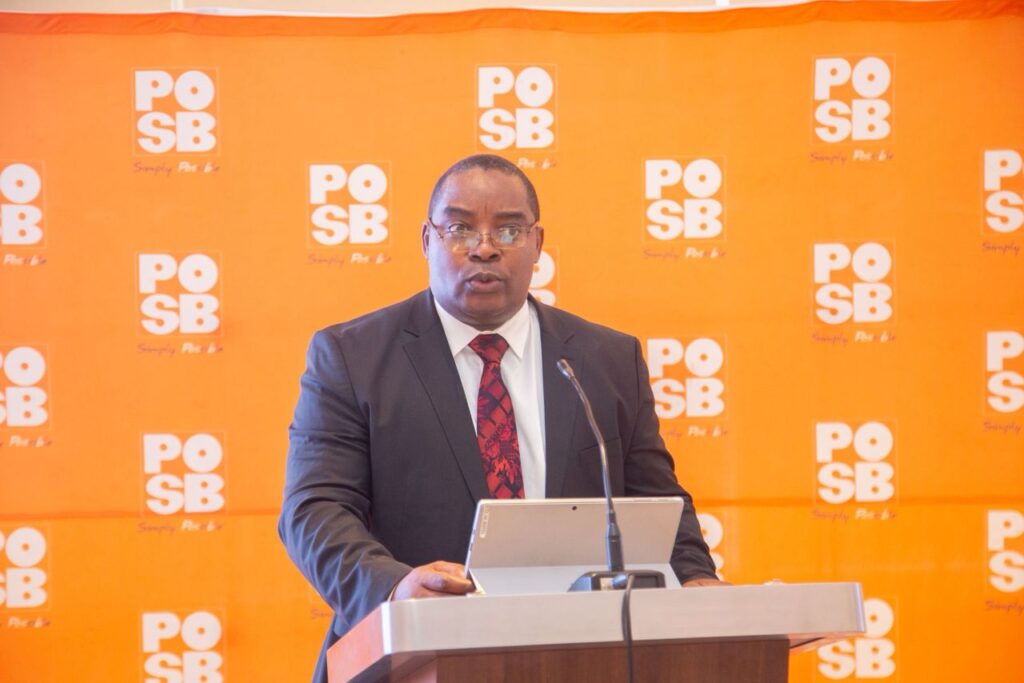
POSB’s Chief Executive Officer Mr Garainashe Changunda
POSB’s Chief Executive Officer, Mr. Garainashe Changunda, outlined the ambitious scope of the program, which runs from 2025 to 2027, with a target to power:
450 schools
2,700 households
400 small and medium-sized enterprises (SMEs)
The initiative is anchored on three strategic pillars: clean energy access, digital connectivity, and sustainable finance.
Customised solar solutions ranging from 1kVA to 20kVA will be available through flexible, collateral-free loans of up to USD 10,000, with approvals processed within 48 hours and installations completed within seven days.
“We are aligning with national and global agendas—from Vision 2030 to the SDGs,” said Changunda.
“Education cannot thrive without energy and connectivity. This fund enables rural learners to participate meaningfully in the digital economy.”
With over 60% of rural schools lacking reliable power and 70% without internet, the Solar and Starlink Facility is expected to dramatically improve access to digital tools, e-learning platforms, and real-time global knowledge resources—key components of Zimbabwe’s Education 5.0 and Heritage-Based Curriculum reforms.
The project also contributes to Zimbabwe’s climate resilience goals, as POSB plans to register it for carbon credits—a forward-thinking move that could unlock international climate finance and position Zimbabwe as a regional leader in green education financing.
As the country moves toward becoming an upper-middle-income economy by 2030, initiatives like this serve as crucial building blocks. Minister Moyo called on more private sector players to follow POSB’s example.
“Together, we can build a smarter, greener, and more inclusive education system,” he said.
About Author