By Jonathan Mbiriyamveka
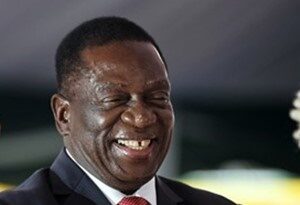
MAPHISA — In a sharp rebuke of growing online misconduct, President Emmerson Mnangagwa has condemned the recording and distribution of road traffic accident footage on social media, describing the practice as “totally unacceptable, inhumane and against the values of Ubuntu.”
Speaking during the 46th Independence Day celebrations at Maphisa, Matabeleland South Province, the President warned that his administration would act decisively to protect citizens — especially children — from the hazards of new technologies and unregulated media platforms.
“I note with grave concern the increasing abuse of social media by some unscrupulous persons and groups,” President Mnangagwa said.
“The recording of road traffic accidents and the subsequent distribution of such material is totally unacceptable, inhumane and against the values of Ubuntu.”
The President’s remarks come amid growing public outcry over the viral spread of graphic images and videos showing the Mujuru family accident victims, including minors, often without consent or any sensitivity to grieving families.
Social media platforms in Zimbabwe have in recent months seen a surge in such content, with some videos garnering hundreds of thousands of views before being removed.
“My Administration will, without apology, protect our citizens, especially children, as well as our culture, beliefs and way of life, from the hazards of media and new technologies,” Mnangagwa declared to applause from the gathered crowd.
The government has previously signalled intent to tighten regulation of digital spaces.
In 2024, the Cyber and Data Protection Act was amended to impose stiffer penalties for sharing intimate or harmful images without consent, though enforcement has been inconsistent.
Legal experts say the President’s latest statement could pave the way for explicit prohibitions against sharing accident and trauma-related content.
“The Ubuntu philosophy emphasises human dignity, compassion and respect for the dead and suffering,” said Harare-based media lawyer Tafadzwa Chikumbu.
“There is a strong legal and moral case for criminalising the non-consensual distribution of graphic accident footage, especially where it causes additional trauma to families.”
Social media users responding to the President’s speech on X (formerly Twitter) and WhatsApp were divided. Some welcomed the move, while others raised concerns about potential overreach.
“We cannot allow clicks to come before compassion,” wrote one user. Another countered: “Sharing accident footage sometimes alerts families and exposes bad driving. Don’t use Ubuntu to hide negligence.”
The government has not yet announced specific legislation or enforcement mechanisms. However, the President’s language — “without apology” — suggests a tougher regulatory stance may be imminent.
For now, the message from Maphisa was clear: Zimbabwe’s hard-won independence includes the right to dignity, online and offline.
And those who violate that dignity, even with a smartphone in hand, may soon find themselves on the wrong side of the law.
About Author