

Strategic planning workshop told coordination breakdowns, duplication, and unclear roles have weakened national youth development
By Jonathan Mbiriyamveka
HARARE – The Minister of Youth Empowerment, Development and Vocational Training, Hon. Tino Machakaire, issued a blunt directive to the Zimbabwe Youth Council (ZYC) on Wednesday, demanding a sweeping strategic overhaul to address what he termed “chronic coordination failures” and “wasteful duplication” of programs.
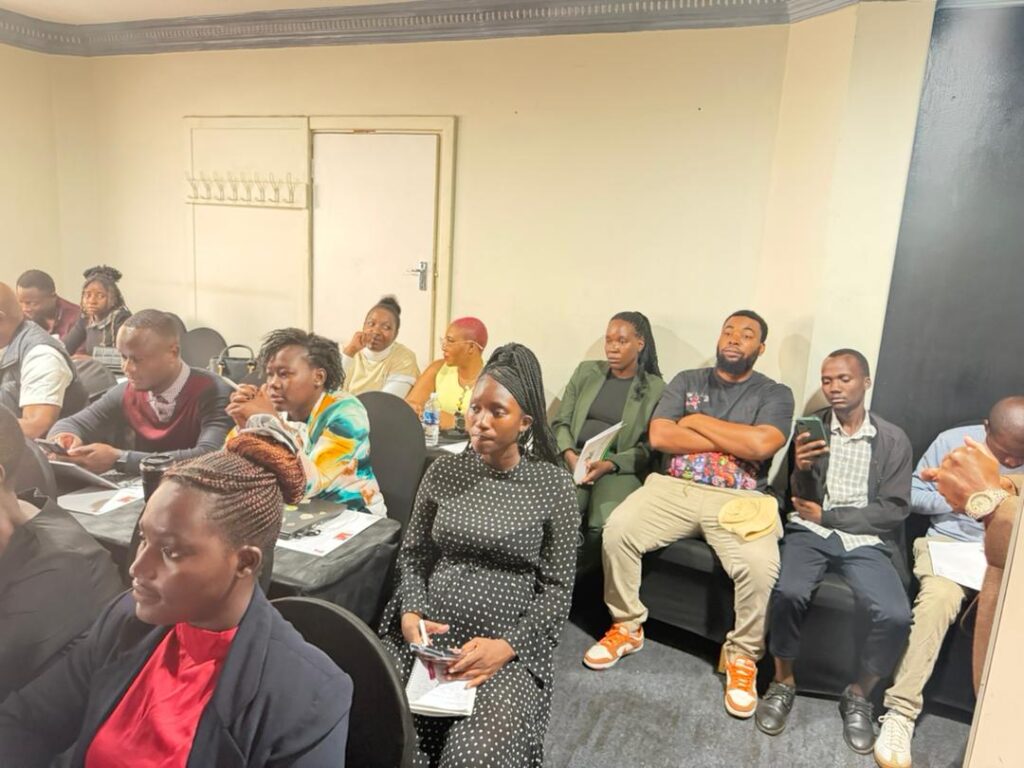
Speaking at the ZYC Strategic Planning Workshop at Ambassador Hotel, Machakaire stated that the Council’s weakness has led to “confusion, diminished impact, and critically undermined government confidence and support.”
“The Zimbabwe Youth Council is not an optional organization,” the Minister declared, reminding attendees that it is a statutory body created by Parliament. “When the ZYC is weak, unclear, or inactive, the entire youth sector suffers.”
The Minister outlined five specific issues the new strategy must fix:
Chronic coordination failures between national and provincial structures.
Wasteful duplication of youth programs and initiatives.
Unclear roles of provincial and district youth structures.
Weak engagement with critical stakeholders.
Poor monitoring and evaluation systems that “hide failure and obscure success.”
“This is not merely an administrative task; it is a strategic priority,” Machakaire emphasized, linking the Council’s performance directly to the government’s ability to deliver for Zimbabwe’s youth.
Youth advocate and director of the NGO Youth Voices Trust, Linda Mpofu, reacted cautiously to the Minister’s remarks.
“The diagnosis is correct,” she said. “For years, youth resources have been diluted by parallel programs and ambiguous leadership. But the solution cannot be top-down control alone. It must include genuine consultation with youth on the ground.”
The Minister concluded by framing the new strategy as a matter of “Control. Coordination. Impact.” He tasked the ZYC board and leadership with producing not just a document, but “a blueprint for transformation.”
The strategic plan is expected to be finalized by early 2026.
About Author

