

By Jonathan Mbiriyamveka
MELBOURNE – At a time when Zimbabwe is actively pursuing its Re-Engagement agenda with the international community, tourism has emerged as an unexpected but powerful tool of diplomacy.
The Zimbabwe Australia Roadshow 2026, which convened more than 40 tour wholesalers, operators, and travel agencies in Melbourne, was more than a trade event. It was a diplomatic mission.
Addressing delegates, Minister of Tourism and Hospitality Industry Hon Barbara Rwodzi positioned tourism as “a powerful instrument for Soft Diplomacy,” guided by the principle that “Zimbabwe is a friend to all and an enemy to none.”
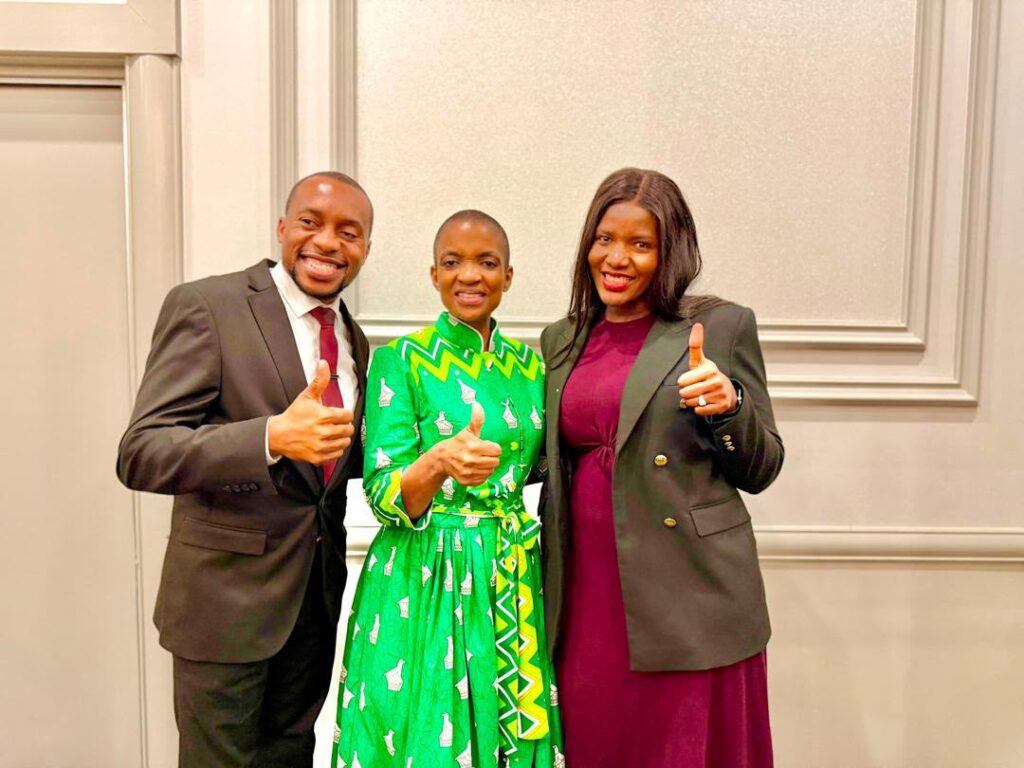
In a world where political divisions often dominate headlines, tourism offers a different kind of engagement – one built on shared experiences, cultural exchange, and mutual benefit.
The roadshow, which brought together Zimbabwean tourism authorities and Australian travel trade partners, was a clear demonstration of this philosophy.
By showcasing Zimbabwe’s world-class tourism attractions and inviting Australian operators to partner in destination marketing, the government is using tourism to rebuild international relationships and project a welcoming image.
Australia as a Strategic High-Value Market
With 33,000 tourist arrivals recorded in 2024 and 27,347 in 2025, Australia has already established itself as a significant source market for Zimbabwe.
But Minister Rwodzi made it clear that these numbers are just the beginning. Australia is a “strategic high-value source market” that offers considerable growth potential.
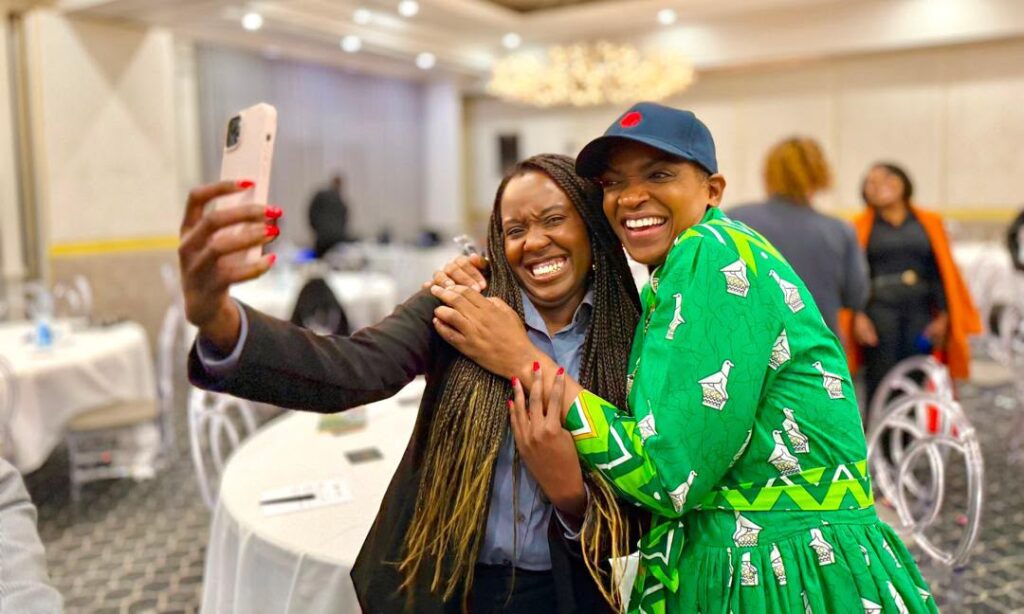
Australian travellers are known for seeking authentic, culturally rich experiences – precisely what Zimbabwe’s Heritage-Based Tourism model offers.
From the ancient ruins of Great Zimbabwe to the rock paintings of Matobo Hills, Zimbabwe’s cultural and historical attractions appeal to Australian travellers who are increasingly looking for meaningful, off-the-beaten-path experiences.
The Minister showcased the country’s Heritage-Based Tourism model, which positions Zimbabwe’s cultural and natural heritage as the foundation of its tourism offering.
This approach, she argued, is not only authentic but sustainable, ensuring that tourism growth benefits local communities and preserves the country’s unique heritage for future generations.
KAZA UniVisa: Opening the Region
A key element of Zimbabwe’s pitch to Australian trade partners was the KAZA UniVisa, which promotes seamless multi-country travel across the SADC region.
By allowing tourists to visit multiple countries with a single visa, the KAZA UniVisa removes one of the key barriers to regional travel and positions Zimbabwe as the ideal gateway for Southern African itineraries.

For Australian tour operators packaging multi-country African holidays, the KAZA UniVisa is a game-changer.
It simplifies logistics, reduces costs, and enhances the traveller experience, making Zimbabwe a more attractive destination for multi-stop itineraries.
Combined with the country’s world-class attractions – Victoria Falls, Hwange National Park, Lake Kariba, and the Eastern Highlands – Zimbabwe becomes an irresistible component of any Southern African adventure.
Infrastructure Investment Supports Growth
Acknowledging that long-haul travel requires reliable infrastructure, Minister Rwodzi outlined government’s continued investment in road and air infrastructure to improve destination accessibility.
Improved airports, including the ongoing upgrades to Robert Gabriel Mugabe International Airport and Victoria Falls International Airport, are making it easier for international travellers to reach the country.
Enhanced road networks are also improving connections between key tourism hubs, ensuring that once Australian tourists arrive, their movement within the country is seamless and enjoyable.
These infrastructure investments are critical to converting interest from trade partners into actual bookings and repeat visits.
Invitation to Sanganai 2026
The roadshow concluded with a direct invitation for Australian travel trade partners to attend Sanganai/Hlanganani Dzimbahwe World Tourism Expo, scheduled for 9–12 September 2026. The Expo will provide a platform for networking, deal-making, and investment discussions, further strengthening the ties forged during the Melbourne roadshow.
Welcoming delegates, Zimbabwe’s Ambassador to Australia, His Excellency J. T. Mhishi, reaffirmed the country’s commitment to deepening bilateral relations through tourism under President Mnangagwa’s “Zimbabwe is Open for Business” policy.
He described the roadshow as a milestone in Zimbabwe’s Re-Engagement agenda, demonstrating that the country is not only open but actively reaching out to partners in the international community.
A Model for Soft Diplomacy
As Zimbabwe pursues its ambitious Vision 2030 and National Development Strategy 2, tourism is emerging as a key driver of economic transformation and international engagement.
The Melbourne roadshow demonstrated that tourism is not just about selling holidays – it is about building relationships, projecting a positive national image, and creating economic opportunities that benefit all Zimbabweans.
With Australia identified as a strategic source market, the KAZA UniVisa as a regional game-changer, and Heritage-Based Tourism as a unique selling proposition, Zimbabwe is well-positioned to grow its share of the Australian outbound tourism market.
And as Minister Rwodzi made clear, the invitations to Australian trade partners are not just commercial – they are diplomatic, extending the hand of friendship and partnership to a nation that Zimbabwe is proud to call a friend.
As Ambassador Mhishi noted, under the “Zimbabwe is Open for Business” policy, the country is committed to deepening bilateral relations through tourism.
The roadshow was a powerful step in that direction.
About Author


