

By Jonathan Mbiriyamveka
MOUNT DARWIN — Karanda Mission Hospital is appealing for at least US$1.5 million to acquire modern diagnostic and surgical equipment and expand staff accommodation, as the 165-bed facility struggles to keep pace with rising patient numbers.
“We are expanding services, upgrading diagnostic equipment, and introducing advanced surgical procedures and outpatient chronic care clinics,” said Dr Takudzwa Sasa, the hospital’s Medical Superintendent, during a media tour this week.
The hospital, located about 200 kilometres northeast of Harare, treats approximately 140,000 patients annually, conducts more than 51,000 outpatient consultations, and performs around 4,000 surgical procedures each year.
Critical gaps
Officials identified modern diagnostic equipment, infrastructure expansion, and staff accommodation as the most urgent needs. These improvements, they said, are critical for the hospital to provide comprehensive and efficient healthcare services to its growing patient population.
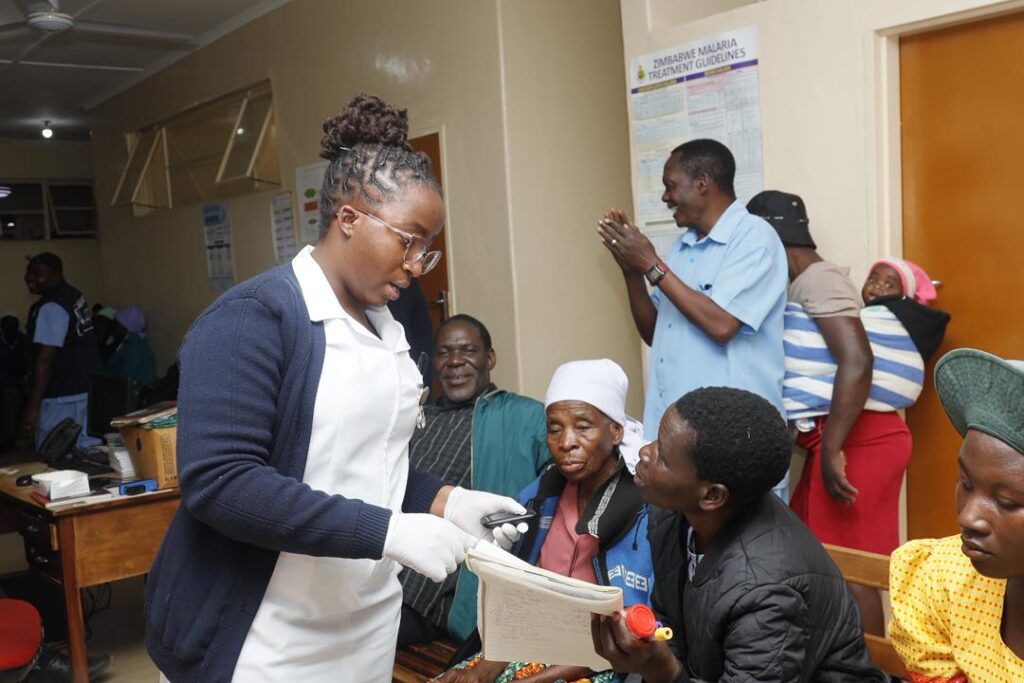
Hospital leadership has appealed to the private sector, development organisations, and local communities to step in and help address resource constraints.
“We are seeking partnerships with stakeholders to mobilise resources that can help us tackle challenges such as high disease burdens and limited access to specialised services,” Dr Sasa said.
Infrastructure upgrades underway
Despite the resource challenges, Karanda is pressing ahead with expansion projects, including the upgrading of diagnostic and imaging equipment and the expansion of wards.
The projects are designed to improve efficiency, increase patient capacity, and strengthen the hospital’s ability to respond to growing healthcare needs in the region.
Karanda’s patient population is drawn from across the country as people seek affordable, reliable, compassionate healthcare. The facility is particularly known for handling a large number of surgical cases, as well as treating HIV/AIDS, TB, obstetrics, and hydrocephalus.
A beacon under strain
Karanda has emerged as a critical healthcare provider in a country where public health facilities face chronic shortages of medication and staff. The hospital’s workforce of more than 278 professionals ensures quality care through continuous training and specialised expertise.
But officials warn that without sustained investment, the hospital’s ability to maintain quality services is at risk. “Sustained investment was essential to maintaining quality healthcare services,” officials said during the briefing.
Potential donors can contribute through financial support, provision of medical equipment, volunteering expertise, or corporate social responsibility initiatives and partnerships.
About Author

