By Jonathan Mbiriyamveka
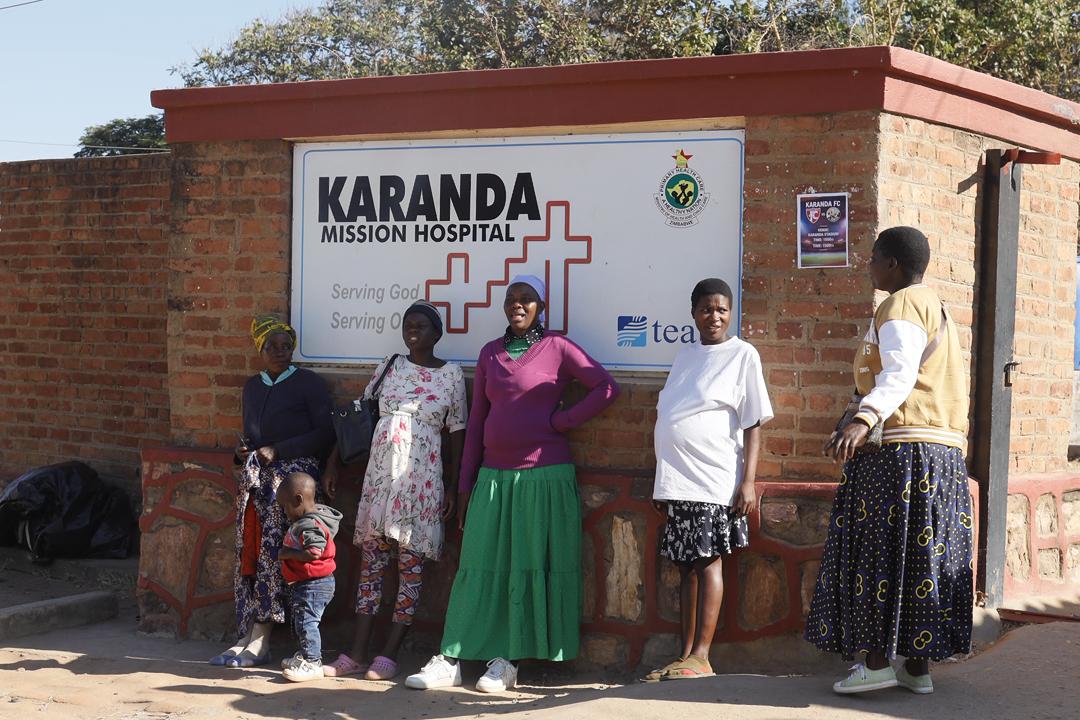
MOUNT DARWIN — Deep in the forests of northern Zimbabwe, about 200 kilometres from Harare, a mission hospital with just 165 beds is quietly serving 140,000 patients a year.
By any measure, the numbers are staggering.
Karanda Mission Hospital, established in 1961, has become one of Zimbabwe’s busiest rural referral institutions, conducting more than 51,000 outpatient consultations and around 4,000 surgical procedures annually.
Its 278 staff members — doctors, nurses, laboratory technicians, and support staff — operate at a pace that would strain far larger urban facilities.
“We are a very small compact, but very powerful capable hospital,” said Dr Takudzwa Sasa, the hospital’s Medical Superintendent. The facility was built primarily to serve underprivileged communities in Mount Darwin East stretching all the way to Dande, he explained.
But over the years, Karanda has become known across the nation, drawing patients from as far as Lupane, Bulawayo, and Chiredzi. Its catchment area extends beyond Zimbabwe’s borders, with patients arriving from Mozambique, Zambia, and Botswana.
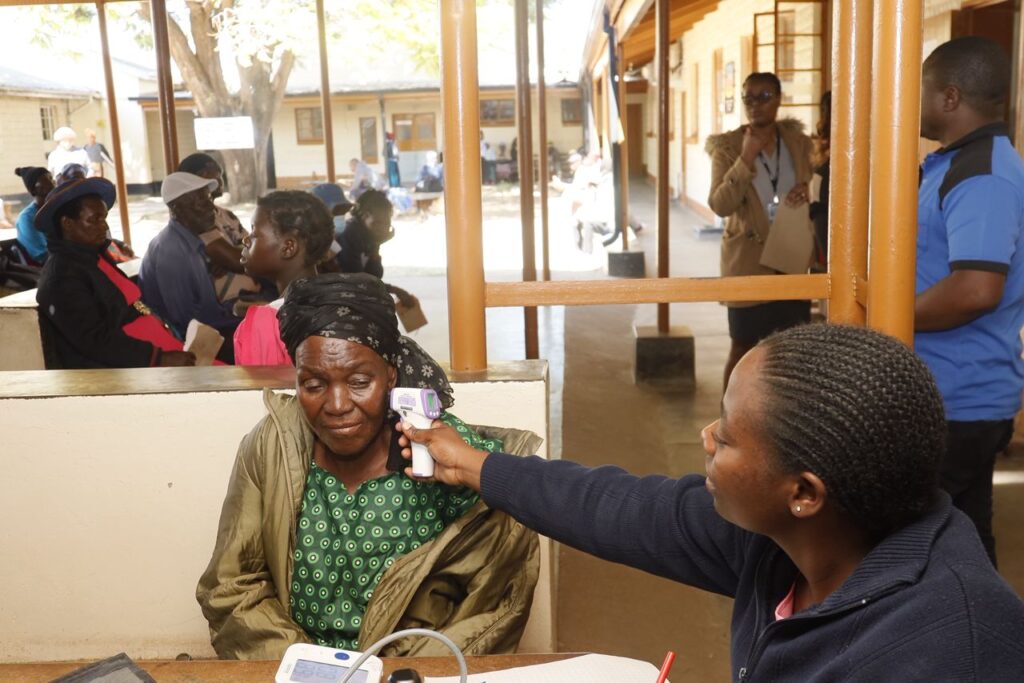
A growing reputation
The hospital’s services span general medicine, paediatrics, obstetrics and gynaecology, surgery, dental care, laboratory diagnostics, emergency treatment, and maternal health programmes.
It treats chronic illnesses including HIV/AIDS and TB, handles over 2,000 deliveries annually, and records about 7,500 inpatient admissions each year.
Two full-time surgeons — a general surgeon and an OBGYN — perform between 15 and 30 surgeries on an average workday. During parts of the year, medical interns from the University of Zimbabwe and overseas volunteers bolster the team.
The hospital operates under the motto “Serving God, Serving Others,” combining medical treatment with faith-based community care while adhering to standards set by the Ministry of Health and Child Care.
The math of rural healthcare
How does a 165-bed hospital manage 140,000 patients? The answer lies in efficiency and reach. The facility has expanded its community outreach programmes, sending teams into villages to provide healthcare where it is most needed.
The Home-Based Care programme extends support to up to 400 orphans and widows of AIDS patients, offering school fees, clothing, and agricultural supplies.
Beyond clinical care, the hospital assists communities with clean water, runs a primary school for staff children, and operates a nursing school established in 1962 that trains quality nurses to meet the country’s healthcare needs.
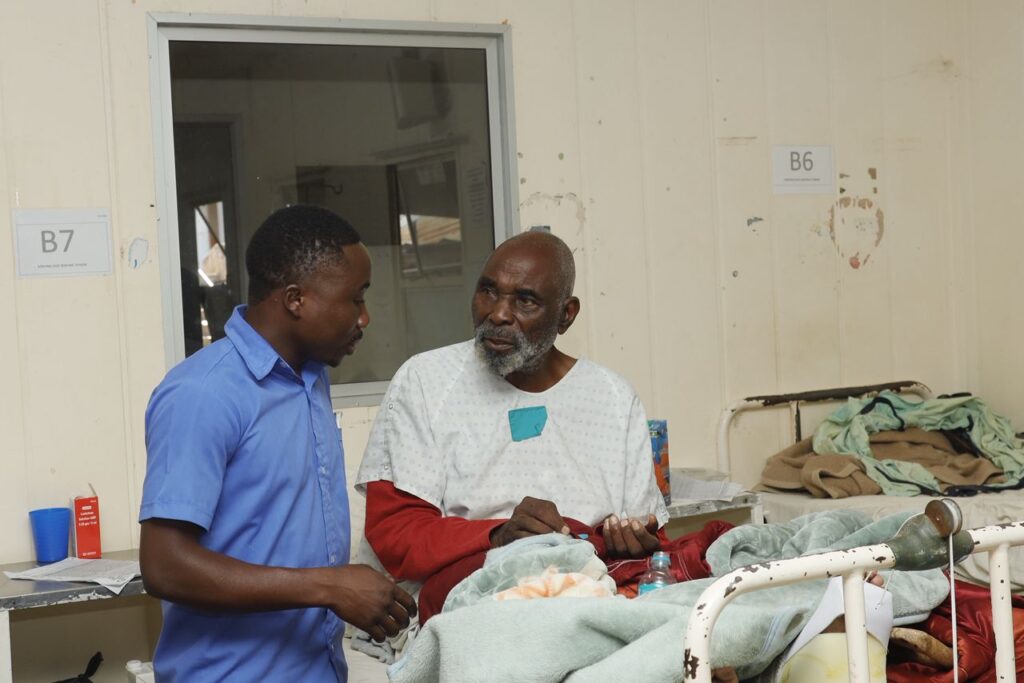
Hospital officials describe Karanda as a “compact but powerful” institution. In an era when Zimbabwe’s public healthcare system faces chronic shortages of essential medication and a brain drain of medical professionals, Karanda has emerged as a beacon of hope.
The hospital’s leadership says partnerships with the private sector, development organisations, and local communities will be crucial in addressing resource constraints and improving access to healthcare in remote areas.
Sustained investment, they stress, is essential to maintaining quality services for the thousands who depend on them.
About Author