

Zimbabwean experts reframe sustainability not as a cost, but as a core requirement for bankable tourism ventures.
By Jonathan Mbiriyamveka
HARARE – For years, the concept of “sustainable tourism” has often been viewed as a philanthropic niche or a marketing buzzword.
But according to project development experts, it has now become the central pillar of attracting investment for new tourism projects in Zimbabwe.

The shift was highlighted at the recent Sanganai/Hlanganani Kumbanayi World Tourism Expo, where the focus moved beyond showcasing destinations to outlining how to build investible ventures.
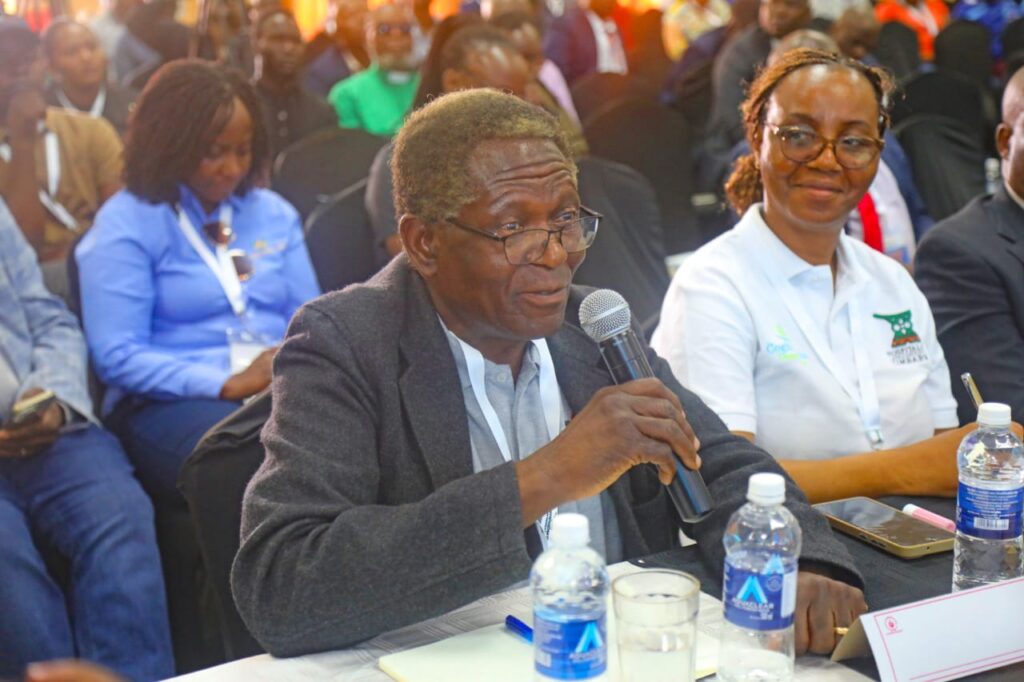
Taurai Duku, Head of Project Development, presented a new framework where environmental protection and community involvement are directly linked to a project’s financial viability.
“Investors fund solutions, not just ideas,” Duku stated. “A solution in modern tourism is one that generates profit while delivering measurable positive impact. It’s no longer an ‘either-or’ scenario.”

This new definition of “bankability” is crucial for community-owned projects and conservancies. According to the presentation, investors and donor institutions are now rigorously assessing projects based on Developmental Metrics, including job creation, local economic impact, environmental sustainability, and inclusivity for gender, youth, and marginalized groups.
“A project that demonstrates strong community participation and ownership is inherently less risky,” Duku explained.
“It has a built-in social license to operate, which minimizes conflict and ensures long-term stability. This is exactly what impact investors and donors look for.
“They want to know that their funding will protect a natural asset and lift up the surrounding community.”
This approach is transforming how projects are pitched. Instead of leading with room rates and occupancy projections, developers are now expected to lead with their ESG (Environmental, Social, and Governance) credentials, showing how they will preserve cultural heritage, create local jobs, and involve marginalized groups.
For local communities sitting on pristine natural or cultural heritage sites, this reframing opens new doors.
A well-structured proposal for a community-owned safari camp or cultural village that outlines its protection plan and profit-sharing model is now more likely to secure funding than a standalone luxury lodge with a higher IRR but no community links.
The message from experts is clear: sustainability is no longer just good for the planet; it’s good for business and is the key to unlocking the investment needed to build Zimbabwe’s tourism future.
About Author

