

Staff Writer
Zimbabwean fast-food lovers are bracing for a price hike in 2025 as Finance Minister Professor Mthuli Ncube announced a new tax aimed at promoting healthier eating habits among citizens.
During the presentation of the 2025 National Budget, Ncube revealed plans to impose a 0.5% tax on popular fast-food items, including pizzas, burgers, tacos, and French fries, effective January 1, 2025.
The proposed “Fast Foods Tax” is part of the government’s strategy to combat rising rates of non-communicable diseases linked to high consumption of processed foods.
Ncube stated that the initiative is intended to encourage food outlets and restaurants to offer healthier culinary options.
“The consumption of highly processed food has been identified as a contributing factor to obesity and associated health issues,” he explained, underscoring the need for responsible consumption.
Despite the lack of concrete evidence presented to support the claims about fast food consumption leading to health problems, the government is moving forward with this tax initiative.
Ncube believes that by levying this modest tax on fast food sales, operators will be motivated to diversify their menus and promote healthier alternatives.
In a related development, the Finance Minister also addressed concerns from the beverage manufacturing industry regarding the sugar tax.
In response to complaints about the impact of high taxes on cordials, he announced a reduction in the sugar tax rate from US$0.001 per gram to US$0.0005 per gram, aiming to create a more equitable tax structure between ready-to-drink beverages and concentrated cordials.
As Zimbabwe navigates these new fiscal policies, consumers and businesses alike will need to adapt to the changing landscape of food pricing and availability.
The government’s focus on public health through taxation reflects a growing trend towards promoting healthier lifestyles, but it remains to be seen how effectively these measures will influence consumer behavior and industry practices in the long term.
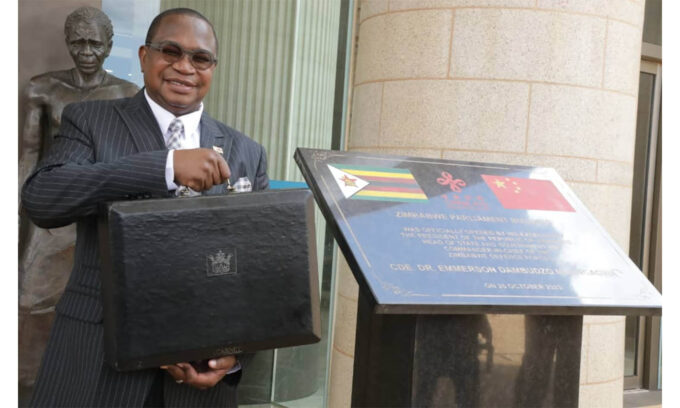
Professor Mthuli Ncube
About Author

