By Jonathan Mbiriyamveka
THE growing popularity of organised fitness events in Zimbabwe is raising an important question about the country’s approach to health and wellness: Can activities such as marathons and road races inspire lasting behavioural change, or does the enthusiasm end when participants cross the finish line?
This question is particularly relevant following the staging of the iGo Powerthon in Bulawayo on Sunday, an event which brought together runners, fitness enthusiasts and members of the community under the banner of promoting healthier lifestyles.
Organised by Cimas Health Group through its iGo wellness division, the event featured 42km, 21km, 10km and 5km races, providing opportunities for people with different levels of fitness and running experience to participate.
The Harare edition, held the previous week at ZB Sports Club, attracted 1 630 participants, reflecting interest in organised fitness and wellness activities.
However, while participation in such wellness events is encouraging, the bigger challenge lies in translating the enthusiasm generated on race day into sustainable lifestyle changes.
For many people, maintaining a healthy lifestyle requires more than occasional participation in sporting activities. It involves regular physical exercise, balanced nutrition, routine medical check-ups and greater awareness of potential health risks.
It also requires an environment in which individuals can realistically access the resources and services needed to maintain their wellbeing.
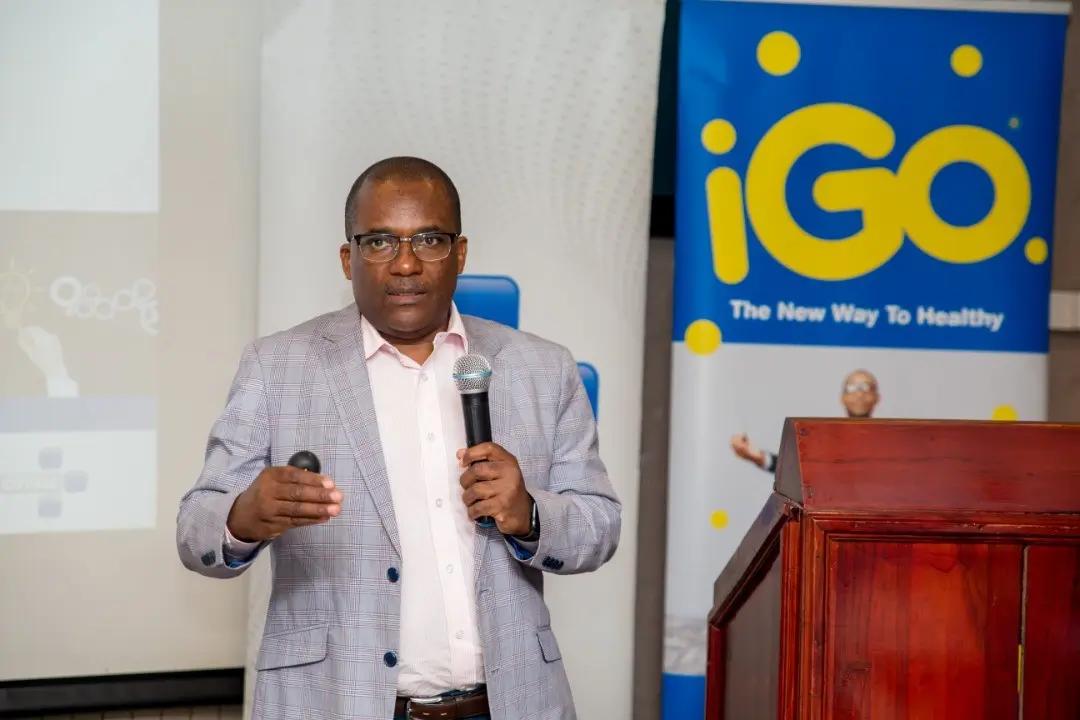
Cimas Health Group chief executive officer Vuli Ndlovu said the Powerthon was designed to serve a broader purpose than simply bringing people together for a sporting event.
He said the initiative sought to promote wellness, physical activity, disease prevention, community engagement and personal responsibility for health.
Ndlovu said the organisation wanted the impact of the event to extend beyond race day, encouraging individuals, families, workplaces and communities to adopt healthier habits in their everyday lives.
The challenge, however, is whether such initiatives can reach people who face practical barriers to maintaining healthy lifestyles.
The cost of gym memberships, sporting equipment, medical consultations and routine health screenings can make wellness activities difficult to sustain for some households.
Similarly, demanding working schedules, limited recreational facilities and competing financial priorities can affect people’s ability to prioritise physical activity and preventive healthcare.
This makes accessibility an important consideration in assessing the broader impact of corporate wellness programmes.
For such initiatives to deliver lasting benefits, participation opportunities need to be complemented by sustained community engagement, affordable health services and practical wellness programmes that extend throughout the year.
There is also a need to broaden the understanding of wellness beyond physical fitness.
Ndlovu said Cimas recognised eight interconnected dimensions of wellness, namely emotional, environmental, financial, intellectual, occupational, physical, spiritual and social wellbeing.
This holistic approach highlights the fact that an individual’s health is influenced by several aspects of everyday life, including financial security, workplace conditions, relationships and mental wellbeing.
The Powerthon also coincided with Movember, the global movement dedicated to raising awareness of men’s health issues, including prostate cancer, testicular cancer and mental health.
Ndlovu said the event provided an opportunity to encourage men to seek regular medical check-ups and appropriate screening services, while challenging attitudes that often prevent them from prioritising their health.
The emphasis on preventive healthcare is particularly important because awareness alone does not necessarily translate into early diagnosis or treatment.
Access to affordable screening services, medical information and appropriate healthcare facilities remains essential in helping individuals make informed decisions about their health.
The event’s charitable component also adds another dimension to its wider social impact, with proceeds expected to be donated to the Cancer Association of Zimbabwe to support cancer awareness and care.
Nevertheless, the real measure of the Powerthon’s success will ultimately go beyond the number of people who participate in its races or the visibility it generates.
It will also depend on whether the initiative can stimulate sustained engagement with preventive healthcare, encourage regular physical activity and create opportunities for communities to make healthier choices.
For Cimas, the ambition is to develop the Powerthon into a leading sporting and wellness event that attracts participants beyond Zimbabwe.
But as the event grows, an equally important measure of its success will be its ability to influence everyday health choices long after the running shoes have been put away.
Ultimately, building a healthier society requires more than a single day of physical activity. It requires sustained commitment from individuals, communities, healthcare providers, employers and policymakers to make healthy living both accessible and achievable.
About Author