By Jonathan Mbiriyamveka
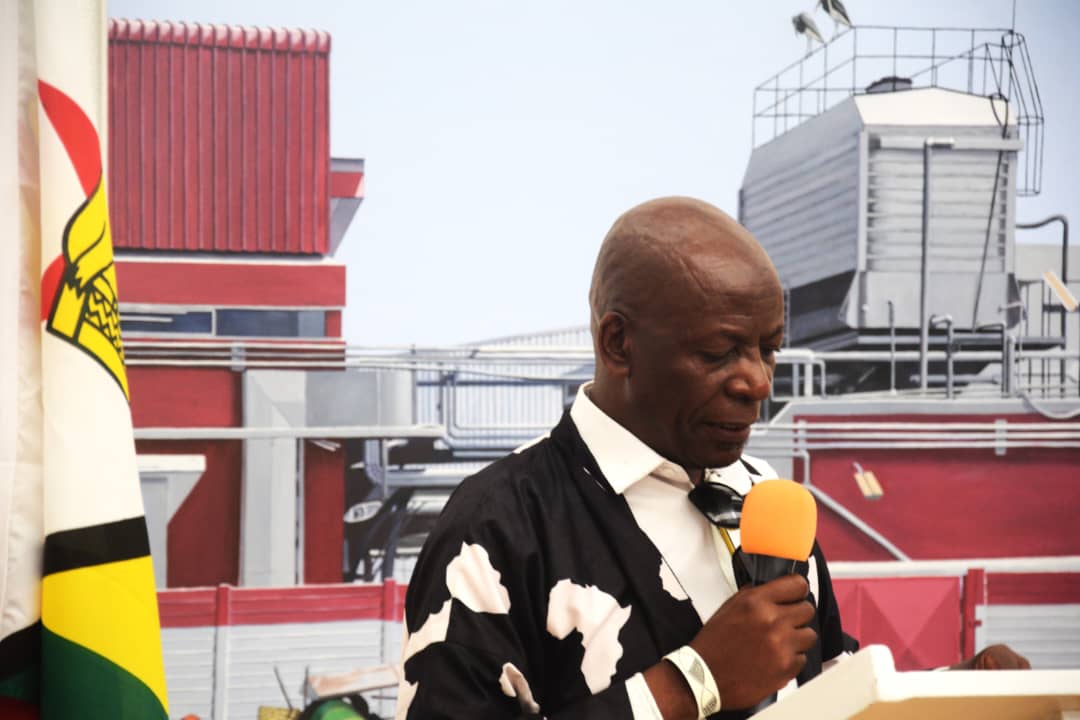
HARARE — The National Gallery of Zimbabwe’s Chief Executive Officer, Raphael Chikukwa, has issued a powerful challenge to the global museum sector: cultural rights are human rights, and institutions must confront the traumas of history if they are to truly serve their communities.
Speaking ahead of the 58th CIMAM Annual Conference in Harare, Chikukwa argued that the conference theme—”Museums Beyond Limits: Imagining Repair Across Cultures, Ecologies and Knowledges”—is a “loaded theme” that demands serious reflection.
“In an era marked by global instability and uncertainties in the economic fronts, museums hold the highest form of hope as knowledge hubs, educational institutions and cultural frontiers whose role and function should not be ignored,” Chikukwa said.
Confronting the Past Without Allergy
Chikukwa was emphatic that museums must not be “allergic to history and past traumas.”
“The issue of Imagining Repair Across Cultures must not be taken lightly, for cultural rights are human rights too,” he said.
He noted that museums, as institutions historically shaped by colonial extraction and classificatory regimes, now face urgent demands to repair fractured relationships—between communities and institutions, between human and more-than-human worlds, and between dominant and marginalised ways of knowing.
“This 58th CIMAM Annual Conference 2026 invites participants to consider how museum practice might exceed its conventional boundaries to engage these entangled crises,” he said.
A Radical and Plural Practice
Chikukwa framed “repair” not as a singular or universal act, but as a radical, plural, and ongoing practice grounded in rationality, care, and accountability.
“Here, repair is not singular or universal, but situated, dialogic, and often incomplete,” he explained. “What does it mean for museums to move beyond limits in order to enact repair? How might institutions cultivate ethical forms of co-existence in contexts marked by historical rupture?”
He also raised questions about ecological and epistemic justice, asking how museum practices can remain accountable to diverse communities and knowledge systems.
Harare as a Lens
Chikukwa noted that situating the conference in Harare—a city whose histories of colonial dispossession and decolonial resurgence offer a powerful lens on cultural resilience—foregrounds contexts where limits have long been contested, negotiated, and reimagined.
“This gathering seeks to open new conversations on how museums can act as sites of critical reflection, collective care, and transformative possibility in a world that demands new ways of relating, knowing, and repairing,” he said.
As the global museum community gathers in Harare, Chikukwa‘s message is clear: the time for avoiding history is over. The time for repair has begun.
CIMAM’s mission is to foster a global network of museums and museum professionals in the field of modern and contemporary art and provide a forum for communication, cooperation, information exchange, and debate on issues of common interest among museums, non-profit collections, and artists, and museum professionals interested in modern and contemporary art to represent their interests in accordance with the ethical principles and values of the ICOM Code of Ethics and CIMAM’s Code of Ethics.
About Author