By Jonathan Mbiriyamveka
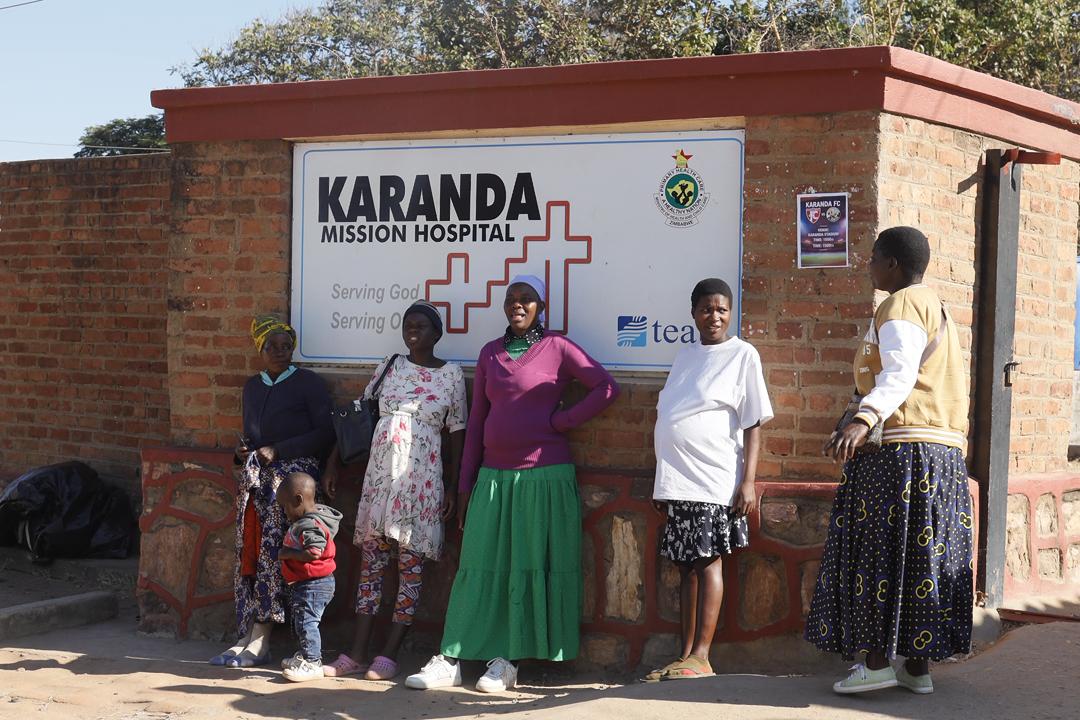
MOUNT DARWIN — Before the sun peeks over the hills of northern Zimbabwe, they are already there. Men, women, and children huddled against the fence, wrapped in blankets, breath misting in the cold morning air.
They have come from Chipinge, from Chiredzi, from as far as Botswana and Mozambique. Some have travelled for days. Many have slept on the ground outside Karanda Mission Hospital because the US$5 charged by local lodges is money they simply do not have.
For those with vehicles, the car parked outside the gate becomes a makeshift bedroom. For the rest, it is the cold earth and a thin blanket.
A Blair toilet stands nearby — a small concession to dignity. But the shade within the hospital premises cannot accommodate everyone. So they wait. And in the waiting, they pray.
Where healing begins
At 6:30am, the relatives rise, brush the dust from their clothes, and file into the hospital grounds for morning devotions. This is where the healing truly begins, says Chaplain Reverend Mark Sikulao.
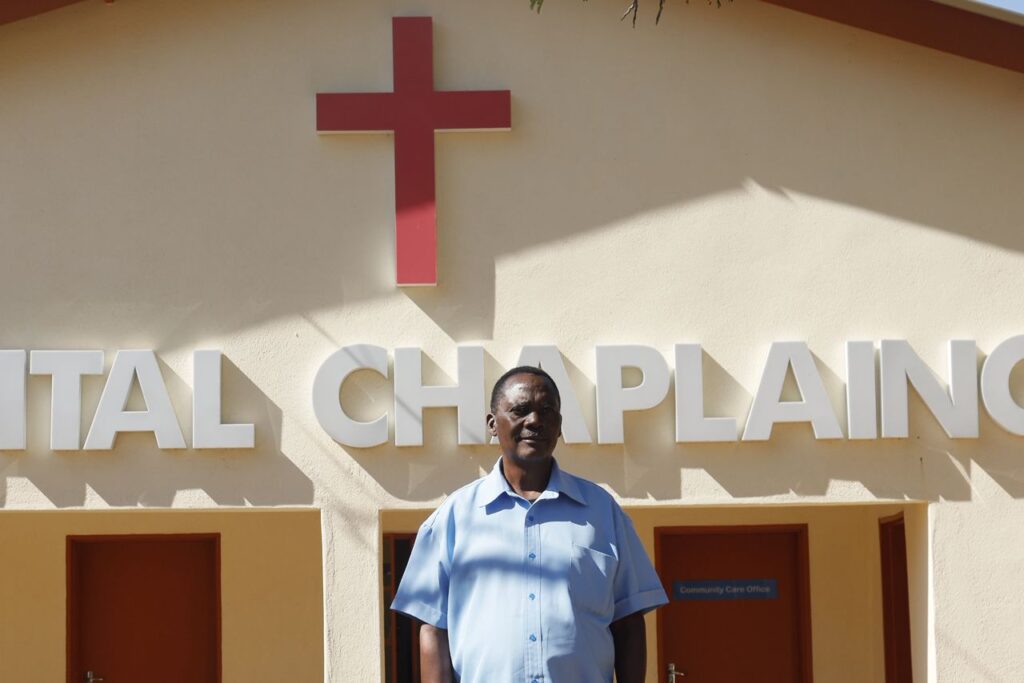
Rev Sikulao
“We are Karanda Mission Hospital, which means we are focused on giving people the gospel and the treatment,” he says with a warm smile. “God heals, and the doctors can only treat.”
For 63 years, that philosophy has guided this institution. It is a model of care that Zimbabwe’s provincial hospitals, Rev Sikulao notes, have never fully embraced.
“After independence, Government made sure the army, the prisons, and the police all had chaplaincy but forgot to do the same with provincial hospitals,” he explains.
“It is a really important service that we give to patients because we want people to accept God first. This is why this is a mission hospital with a culture of prayer and gospel.”
The legend of Karanda
The hospital’s name carries its own story. Legend has it that a Mozambican man arrived in the area seeking employment.
He offered his services as a servant — a muranda in the local Shona language. When he died, he was buried a stone’s throw from where the hospital now stands. His name, Karanda, became the name of the institution.
Established in 1961 by The Evangelical Alliance Mission (TEAM), the hospital was originally called Gunderson-Horness Hospital.
It grew from small dispensaries and clinics set up alongside churches and schools to address the healthcare challenges facing mission stations in the Zambezi River valley.
After Zimbabwe’s independence, it was renamed Karanda Mission Hospital. Its history has not been without interruption — it was closed from 1978 to 1981 due to the War for Independence. But since 1981, its doors have never closed.
‘I have no complaints, only appreciation’
Evelyn Gwatirinda, 58, travelled all the way from Chipinge to be treated at Karanda. She had heard about the hospital from a relative and decided to make the journey.
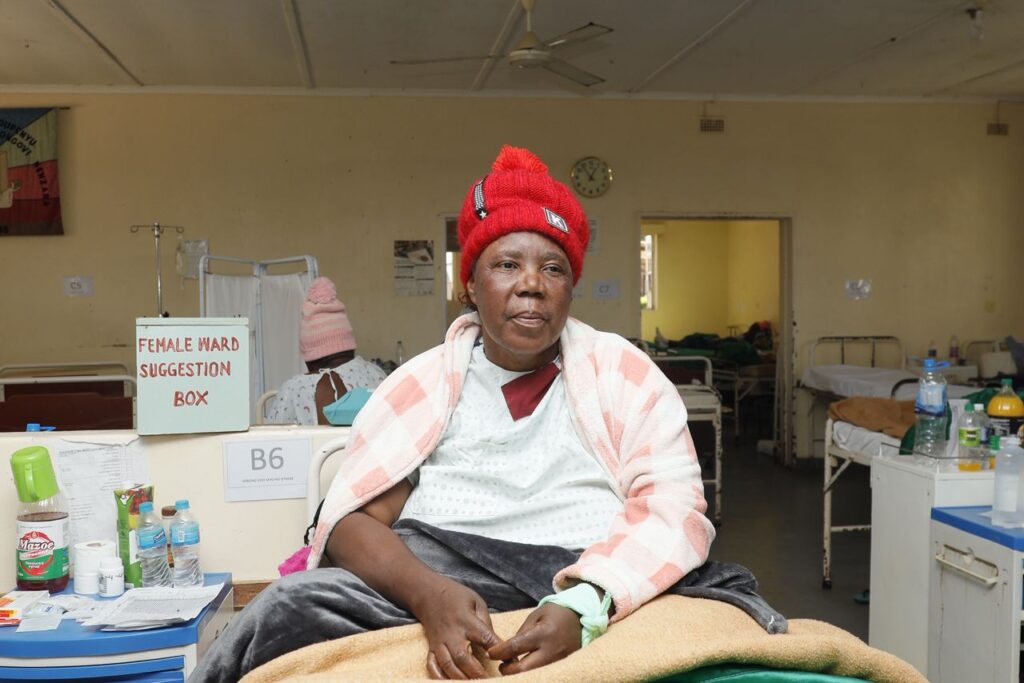
Evelyn Gwatirinda from Chipinge
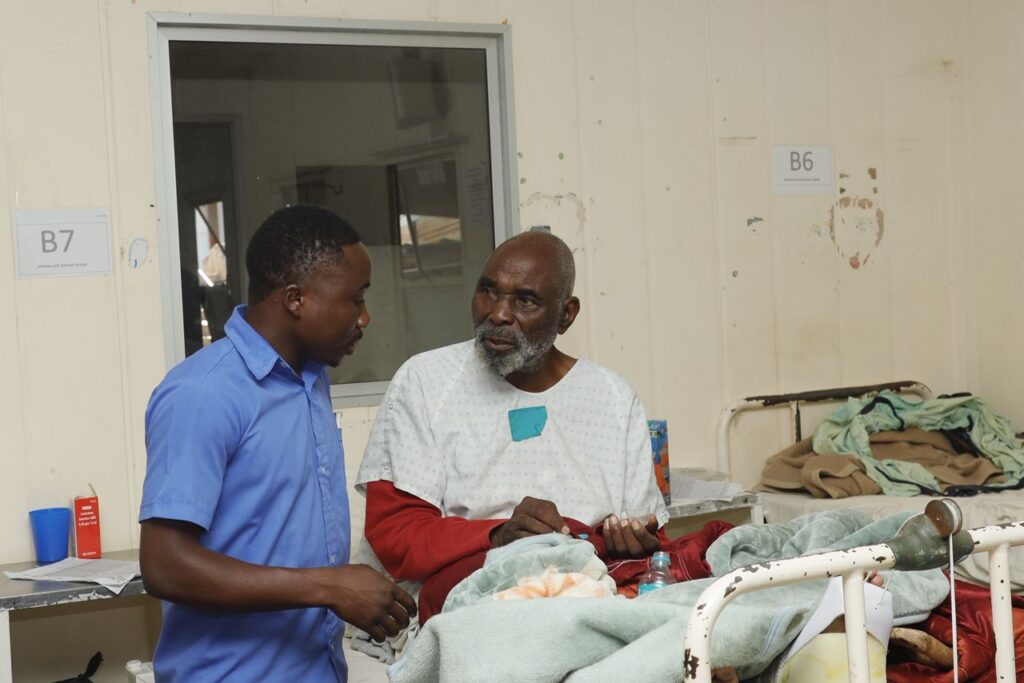
“I first came here some months back and I was treated very well,” she says, her voice soft with gratitude. “I was told to come back for a check-up, so I have been admitted here. The service has not only been swift but excellent.”
Alpha Chitomba’s journey was even longer. He was referred from Chiredzi, leaving his family behind to seek care at Karanda.
“I have no complaints, only appreciation for the nurses and doctors here,” he says simply.
These testimonies are repeated daily in the wards and waiting areas. What draws patients is not just the free services or the affordability — it is the care.
The nurses and doctors work round the clock so that no one is turned away from the queue without being attended to.
A hospital that grew
Today, Karanda Mission Hospital is a 165-bed facility serving 140,000 patients annually. It conducts more than 51,000 outpatient consultations and around 4,000 surgeries each year.
Its workforce of more than 278 staff includes doctors, nurses, laboratory technicians, and support staff — many holding extra qualifications and specialisations.
The hospital offers general medicine, paediatrics, obstetrics and gynaecology, surgery, dental care, laboratory diagnostics, emergency treatment, and maternal health programmes.
Beyond the clinical work, the mission complex now includes a three-year nurse training school with about 55 students, a one-year midwifery programme, and a primary school offering grades 1-7 for children of hospital staff.
The Home Based Care programme ministers to widows, orphans, and those living with HIV. Community outreach teams travel to villages, providing healthcare and clean water.
A faith that sustains
The hospital has five chaplains who meet patients’ spiritual needs through daily ward devotions, evangelisation, and grief counselling.
Patients and their families find comfort not just in the medicine, but in the prayers offered alongside it.
“We provide hope and healing through medical care, spiritual services, and therapy,” Rev Sikulao says.
A vision for tomorrow
Hospital leadership says Karanda is not resting. Plans are underway to expand services, upgrade diagnostic equipment, and introduce advanced surgical procedures and outpatient chronic care clinics.
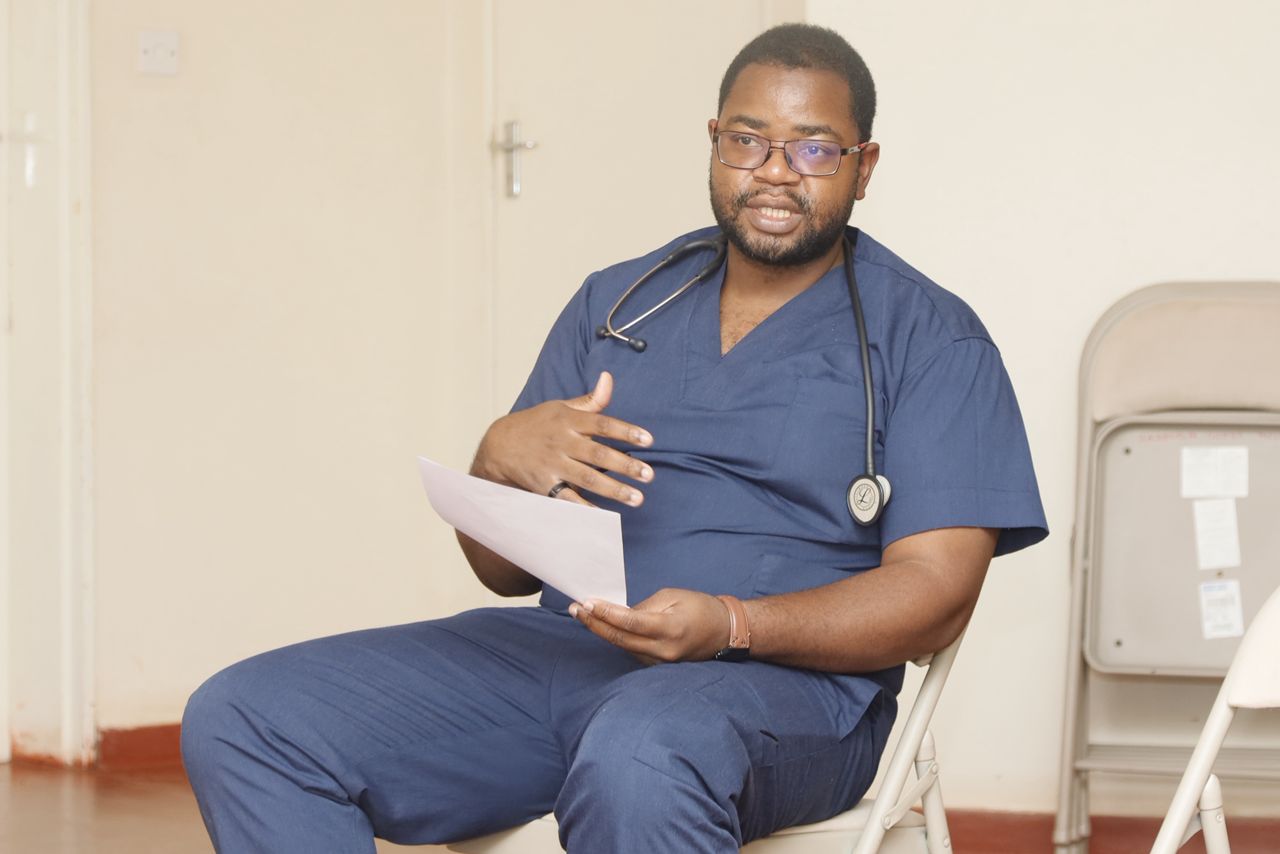
“Our vision is to advance healthcare excellence through innovation and respond to the changing needs of the community we serve,” says Dr Takudzwa Sasa, the Medical Superintendent.
Operating under the motto “Serving God, Serving Others,” Karanda remains committed to offering hope and healing to the body, mind, and spirit through the love of Christ.
As it approaches its seventh decade, the mission hospital that began as a small clinic in the bush has become a lifeline for thousands — a testament to what can be built when faith, compassion, and determination converge.
In the early hours of the morning, the relatives still line the fence. They still sleep on the cold ground.
But they also still pray. And they still believe that here, at Karanda Mission Hospital, healing — of body and spirit — is possible.
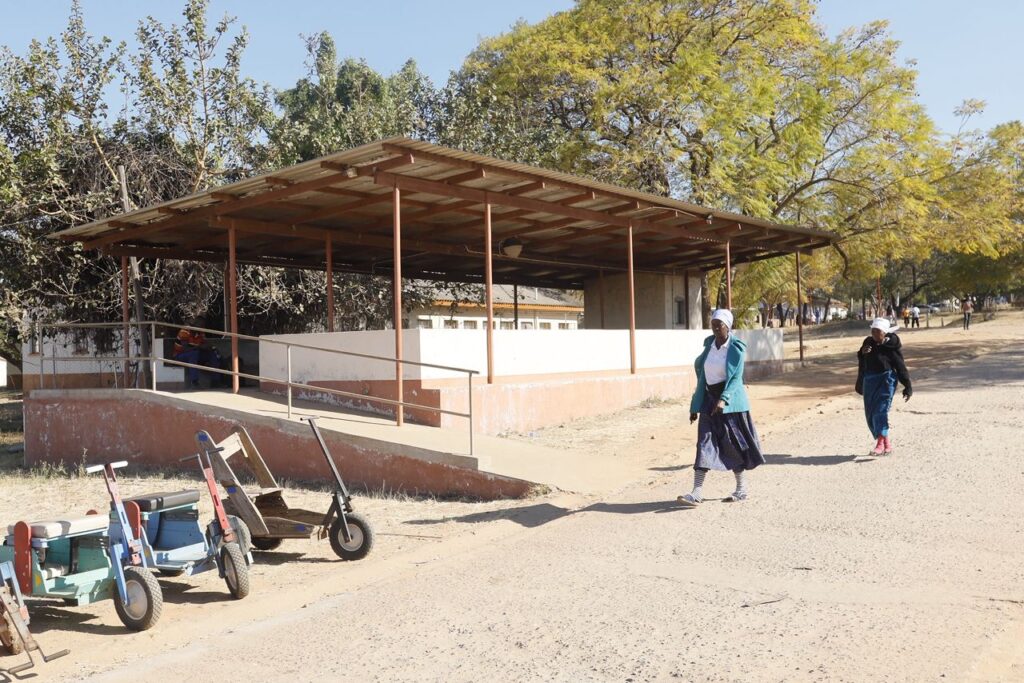
The shade where morning devotion prayers are held everyday
About Author