

By Jonathan Mbiriyamveka
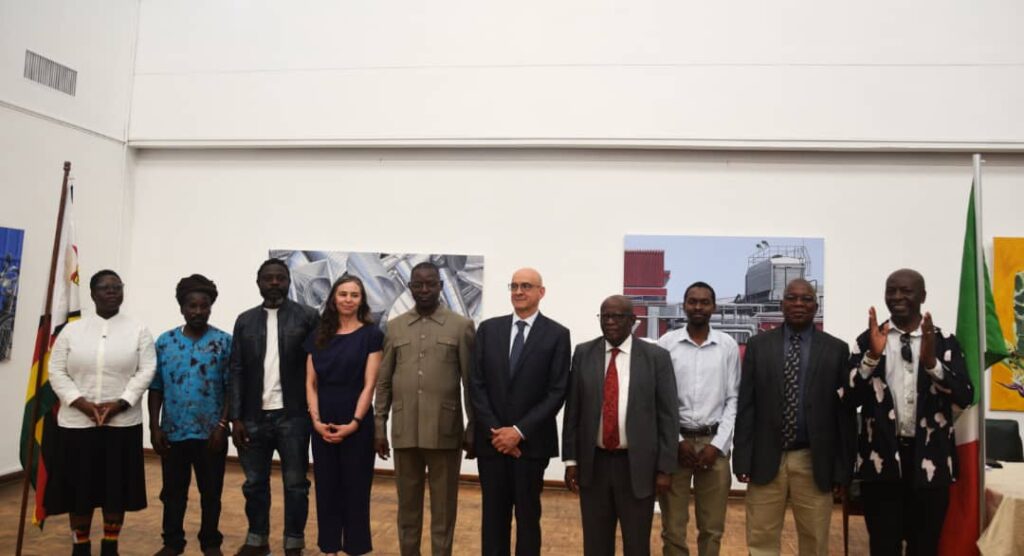
Harare — In a moment of national pride and cultural celebration, the Minister of Sport, Recreation, Arts and Culture, Anselem Nhamo Sanyatwe, officially announced the five artists who will represent Zimbabwe at the 61st International Art Exhibition of La Biennale di Venezia in 2026.
During a speech steeped in reflection, hope, and artistic ambition, Minister Sanyatwe unveiled the selected artists for Zimbabwe’s 8th national pavilion at the prestigious global showcase of contemporary art.

Minister of Sport, Recreation, Arts and Culture, Anselem Nhamo Sanyatwe, officially announcing the five artists
The artists — Felix Shumba, Eva Raath, Gideon Gomo, Franklyn Dzingai, and Pardon Mapondera — will present works under the theme “Second Nature | Manyonga”, a concept that invites introspection into identity, environment, and the layers of cultural memory.
“The Second Nature can only come from you and not from others, for they are not you and we have never been them,” declared Minister Sanyatwe, emphasizing the importance of self-representation on global platforms.
Since its debut in 2011 with the exhibition Seeing Ourselves, the Zimbabwe Pavilion has grown into a powerful voice in the international art world, showcasing work that speaks to Zimbabwe’s resilience, creativity, and evolving identity.
This year’s selection builds on that legacy, celebrating artists whose practices interrogate both personal and collective narratives.
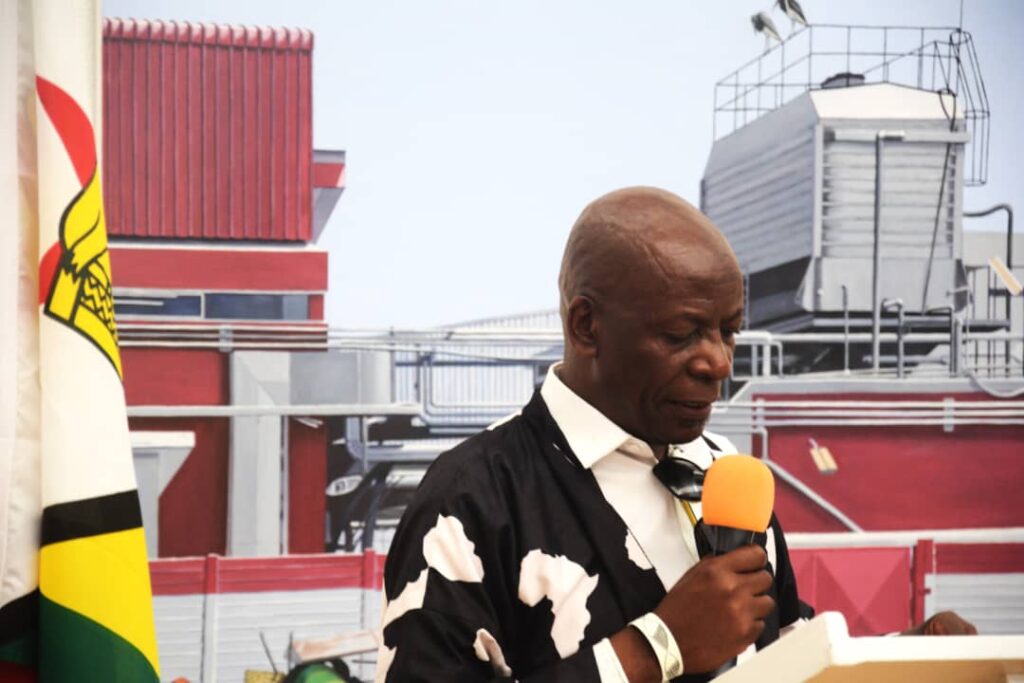
NGZ director Raphael Chikukwa
The Pavilion has not only served as a cultural bridge but also a strategic platform for mentorship, global exchange, and youth empowerment.
Alumni of past editions have gone on to establish art spaces and initiatives that continue to shape Zimbabwe’s cultural landscape — including Village Unhu, Mbare Art Space, and Tasarisa Studio — offering training, employment, and digital innovation across the creative sector.
Highlighting the significance of cultural diplomacy, Minister Sanyatwe reaffirmed that art is central to Zimbabwe’s re-engagement with the global community and its image-building efforts under the National Development Strategy 1 (NDS1) and the forthcoming NDS2.
“Representing yourself is key,” he said, urging Zimbabweans to celebrate homegrown talent and recognize the names that have become cultural ambassadors on the world stage — including Portia Zvavahera, Misheck Masamvu, Kudzanai-Violet Hwami, and the late Sylvester Mubayi, among others.
The National Gallery of Zimbabwe, which manages the pavilion, was also commended for maintaining a consistent presence at the Biennale despite financial challenges.
To date, the pavilion has added 62 artworks to the gallery’s permanent collection, donated by participating artists, deepening the nation’s visual arts archive.
As Zimbabwe prepares to return to Venice in 2026, the selection of these five artists signals a bold, unified voice in contemporary African art, and a renewed commitment to telling Zimbabwe’s story — not through the lens of others, but in its own words and visions.
About Author

