By Jonathan Mbiriyamveka
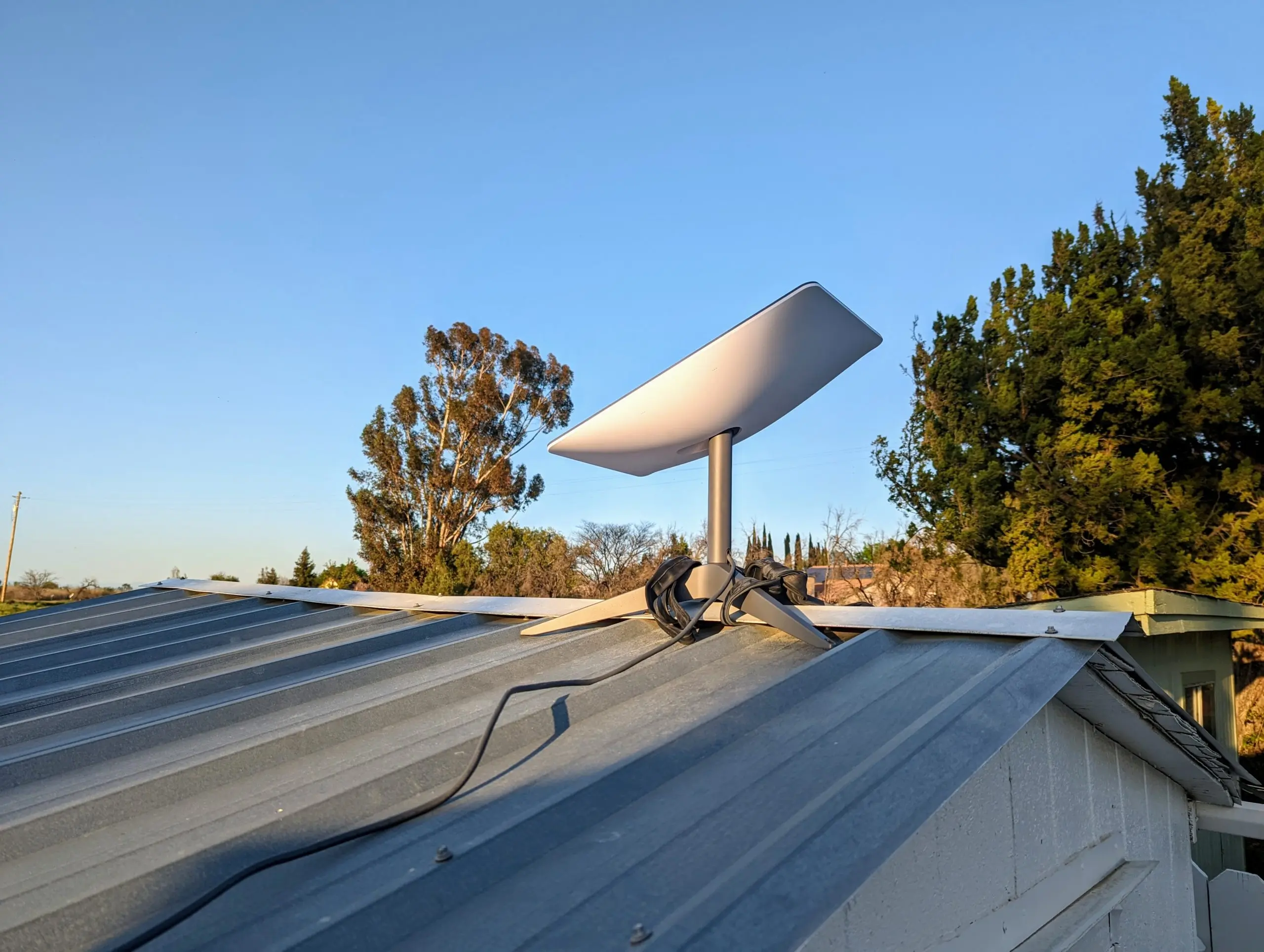
Harare – Starlink, the satellite internet service operated by Elon Musk’s SpaceX, is rapidly reshaping Zimbabwe’s fixed internet landscape, according to the latest sector performance report from the Postal and Telecommunications Regulatory Authority of Zimbabwe (POTRAZ).
In the fourth quarter of 2025, Starlink Zimbabwe recorded a staggering 42.76% increase in internet data traffic, jumping from 117.83 Petabytes (PB) in Q3 to 168.21 PB.
The surge has come at the direct expense of incumbent players, most notably Liquid Intelligent Technologies, which saw its fixed internet data traffic market share drop by 10.49 percentage points in a single quarter.
“This huge dip was mainly driven by an 8.32 percentage point increase in the market share of Starlink Zimbabwe,” POTRAZ noted in the report.
The entry of Starlink, which began operations in Zimbabwe in late 2024, has introduced a new era of competition in a sector long dominated by a few traditional players.
The service has proven particularly attractive in areas with poor terrestrial fibre or LTE coverage, offering high-speed connectivity via low-earth orbit satellites.
POTRAZ data shows that VSAT subscriptions — the category under which Starlink falls — surged by 31.62% in Q4 2025, from 50,949 to 67,057. Meanwhile, Liquid’s fixed internet traffic actually declined in absolute terms, falling 10.54% from 259.70 PB to 232.32 PB.
Industry analysts say Starlink’s aggressive pricing and ease of installation are forcing incumbents to rethink their strategies.
“Starlink has effectively bypassed the traditional infrastructure bottleneck,” said one telecom analyst who requested anonymity.
“For years, consumers in high-density suburbs and rural growth points had limited options. Now they can order a dish online and be connected within days.”
Despite Starlink’s rapid ascent, Liquid remains the overall market leader in fixed internet traffic, though its share has shrunk. TelOne and PowerTel also recorded significant traffic growth of 35.01% and 32.25% respectively, suggesting that the entire market is expanding even as shares shift.
POTRAZ described the development as part of a broader “rapid transition toward a data-centric ecosystem,” adding that the launch of Zimbabwe’s Artificial Intelligence policy for 2026–2030 is expected to further accelerate demand for high-bandwidth services.
Starlink did not immediately respond to a request for comment, but the company has previously stated its commitment to expanding African markets.
With Zimbabwe’s internet penetration now at 84.55% and growing, the battle for the country’s broadband future is only just beginning.
About Author