

By Violet Mashonga
A major stride in agricultural diversification was taken in Mhondoro Ngezi district, Mashonaland West Province, with the official launch of the Rubella crop at Plot 86 Damvuri Farm.
Hosted by progressive farmer Gladys Gomo, the event marked a turning point in rural agro-industrial development, showcasing the plant’s vast potential in transforming smallholder farming into value-added enterprises.
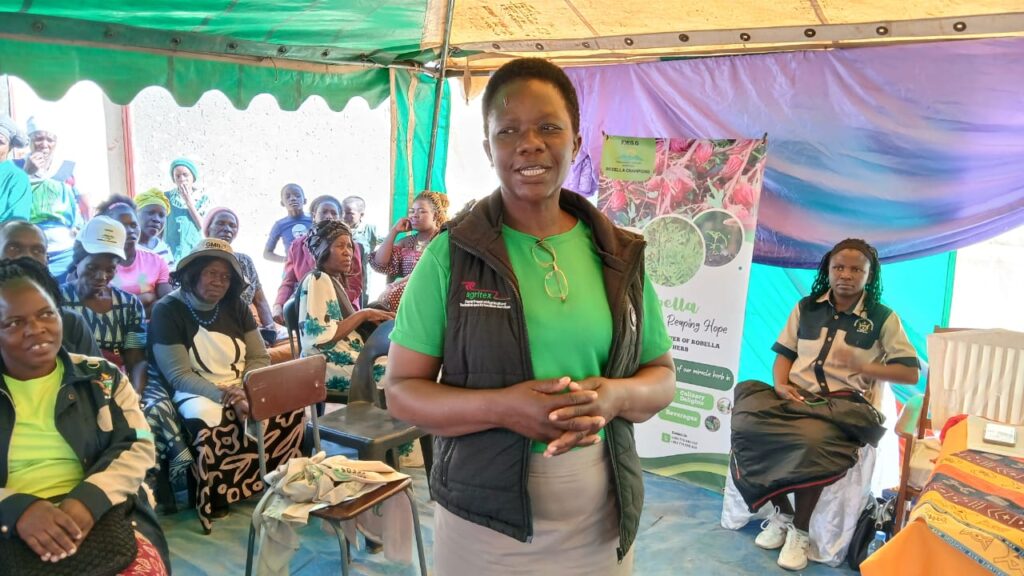
The Rubella plant, introduced under the guidance of Medlinah Magwenzi—Provincial Director for Mashonaland West at the Agricultural and Rural Development Authority (ARDAS)—is hailed as a multipurpose crop with remarkable processing potential. With over 24 product lines derived from the plant, including bread, beverages, cosmetics, detergents, and medicinal powders, Rubella is fast becoming a symbol of agricultural innovation and rural empowerment.
“I saw Rubella as an opportunity to generate income, access medicinal alternatives, and empower my community,” said Gladys Gomo.
Since adopting the crop, she has not only diversified her farm operations but also sparked interest from neighboring farmers and government departments, including the Ministries of Health, Education, and Women Affairs, as well as the Cotton Research Board and War Veterans Association.
The launch drew widespread attention from stakeholders. District Agricultural Officer (DAO) Nola Marumbwa praised Gomo’s initiative, describing her as a trailblazer in community-led innovation. Extension officer Taurai Chitsiko and District Supervisor Richard Chimbwanda were also present, reinforcing government support for farmer-driven development.

To date, 25 farmers in Mhondoro Ngezi have adopted Rubella cultivation, citing both its economic returns and medicinal value.
Community members frequent Gomo’s homestead to learn about its cultivation and traditional health applications.
Testimonials from early adopters suggest increased household income and enhanced community health awareness.
For Gomo’s family, Rubella has become more than just a crop—it represents sustainable opportunity. “When I see Rubella, I see money everywhere,” remarked her son, Elton Gomo, emphasizing the importance of value addition and localized enterprise in achieving economic resilience.
Provincial Director Magwenzi, with over 29 years of agricultural experience across Africa, commended Gomo’s initiative and called for greater land use efficiency. “When you get land, use it fully and productively. Zimbabwe can reach new heights if we optimize what we already have,” she said.

Her vision is to integrate Rubella into broader national agricultural strategies, promoting collaboration between farmers and extension workers.
Stephen Mositeri from the Cotton Research Institute echoed these sentiments, noting Rubella’s potential to contribute to agro-industrialization while reducing reliance on synthetic chemicals in farming.
The Rubella initiative is aligned with Zimbabwe’s Vision 2030, aiming to transform agriculture into a robust, inclusive sector capable of supporting rural livelihoods, enhancing food security, and fostering export-ready products.
As more farmers adopt this crop and invest in value chains, Rubella could play a pivotal role in reshaping Zimbabwe’s agricultural future.

About Author

