Staff Writer
Every generation has its own sound, and every artist carries a different burden.
Yet in music conversations, especially in Zimbabwe, there is a persistent habit of measuring new voices against established giants.
It feels natural, even flattering—but sometimes it misses the point entirely.
This is the case with the frequent comparison between Oriyano and Jah Prayzah. On the surface, both are successful Zimbabwean musicians commanding attention at home and beyond.
But beneath that surface, their journeys, missions, and creative worlds could not be more different.
Jah Prayzah’s story is inseparable from Zimbabwe’s cultural memory.

His music is deeply anchored in traditional frameworks—mbira-inspired melodies, ancestral rhythms, and symbols that speak directly to heritage and identity. Over the years, he has become more than an artist; he is a cultural custodian.
On international stages, he doesn’t just perform songs—he carries a nation’s history, pride, and traditions with him.
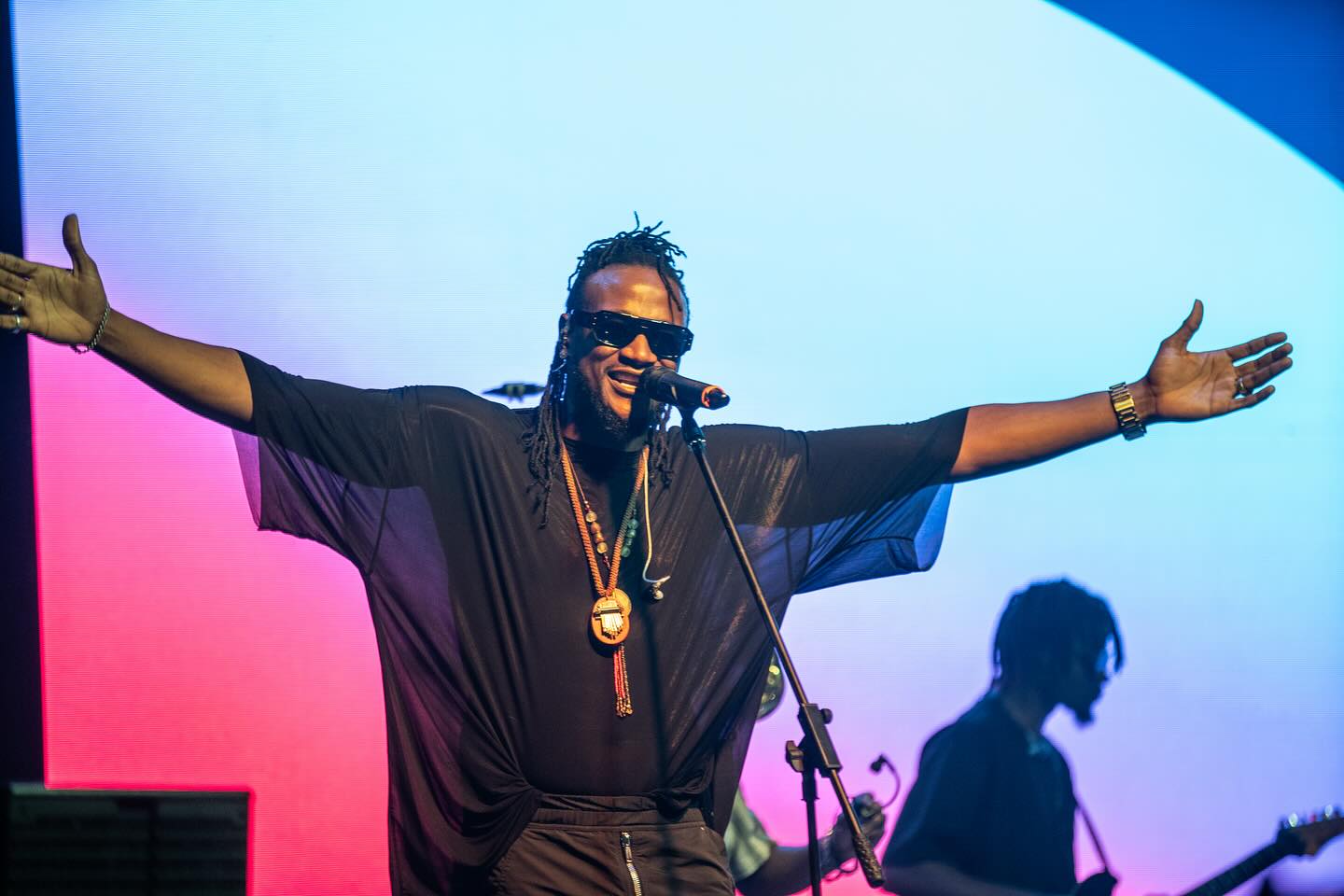
Oriyano’s story unfolds in a different time and under different pressures. He is a product of the digital age—shaped by urban life, streaming platforms, global pop culture, and pan-African influences.
His sound is fluid and contemporary, reflecting modern experiences rather than ancestral instruction. Where Jah Prayzah looks backward to preserve, Oriyano looks forward to explore.
Comparing the two is like comparing a master storyteller preserving folklore with a young filmmaker documenting city life. Both matter. Both are valid. But they are not doing the same job.
Jah Prayzah’s career has been built over many years with institutional support, established industry machinery, and recognition that extends into state and cultural structures. His success reflects long-term alignment with national identity and historical moments.
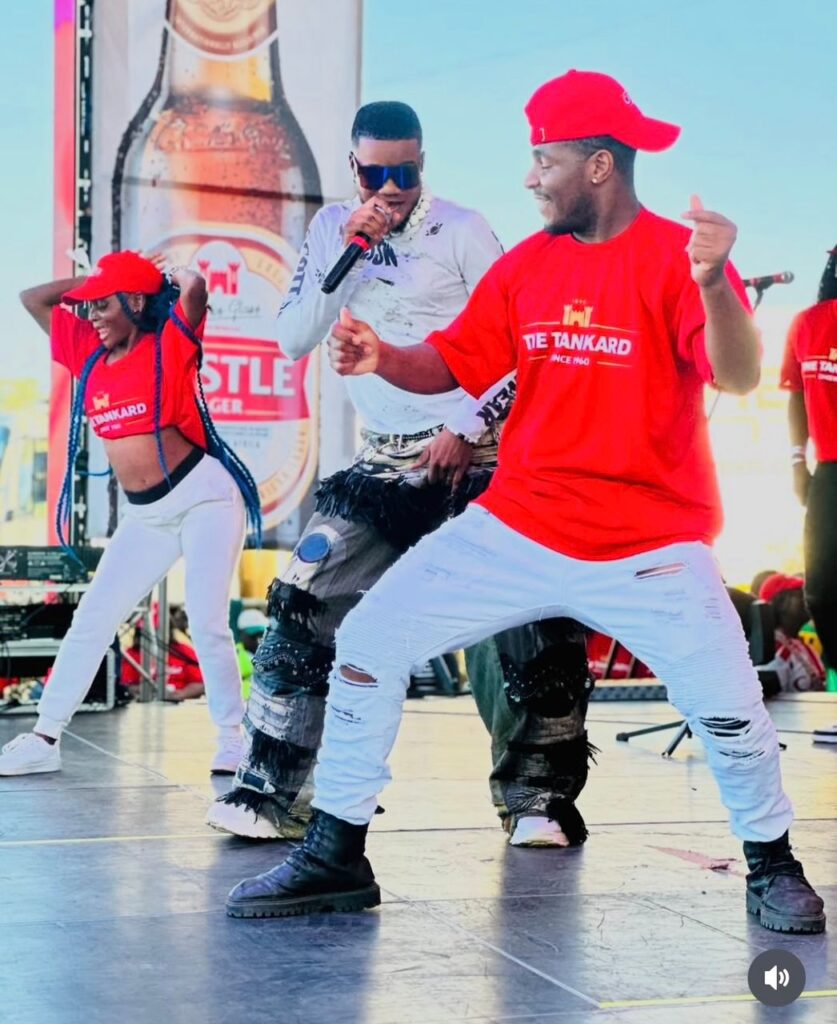
Oriyano, on the other hand, is navigating a fragmented, hyper-competitive, digital music ecosystem—one where artists must constantly reinvent themselves to survive global attention spans.
Even their audiences tell different stories. Jah Prayzah’s music bridges generations—playing in rural homesteads, urban homes, and national celebrations alike. His image and symbolism are intentionally familiar, reassuring, and rooted.
Oriyano’s branding is youthful, forward-facing, and designed for digital natives—listeners whose identities are still being shaped in real time.
Yet the constant comparison traps Oriyano in a shadow he was never meant to occupy. Instead of being seen for his originality and potential, he is judged against a legacy framework that predates his generation.
Over time, this does more than distort public perception—it quietly discourages artistic risk. And no music scene survives without risk.
Jah Prayzah’s excellence is undeniable and earned. But excellence does not require replication. Music history shows us that lasting impact comes from divergence, not duplication.
Oriyano does not need to resemble, rival, or replace Jah Prayzah to matter.
His most meaningful contribution will come from building something entirely his own—shaped by his influences, his era, and his vision of the future.
Comparing Oriyano to Jah Prayzah is not a compliment; it is a category error. One is a cultural institution.
The other is a modern artist still carving his identity.
True artistic respect lies not in comparison, but in allowing each artist to stand fully—and independently—in their truth.
About Author