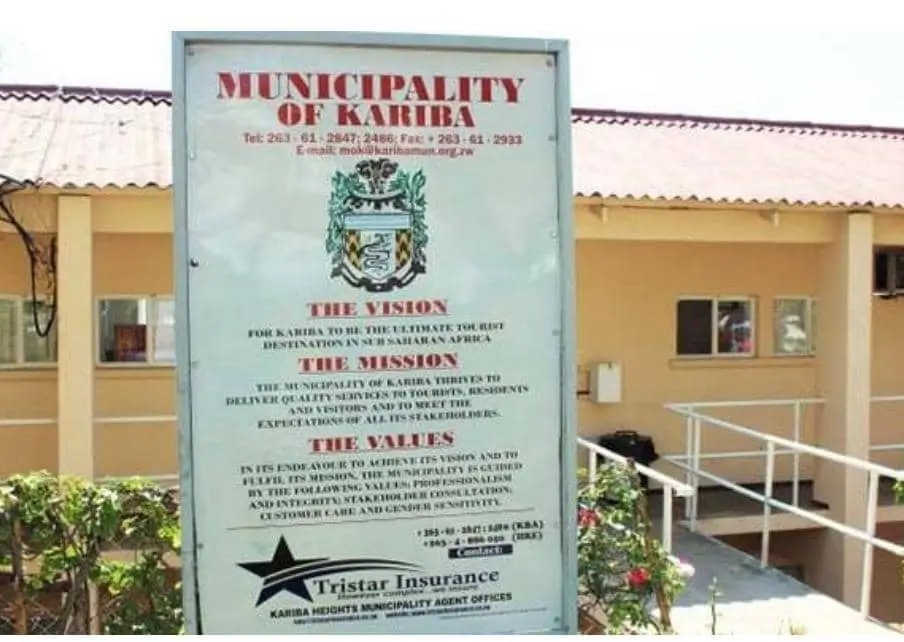
By Admore Mbonda in Kariba
The Municipality of Kariba says revenue collection efficiency has surged sharply, jumping from 59% in 2025 to 82% in the first half of the year a turnaround that officials say could unlock more development work across the resort town.
However, the improved figures were revealed amid continuing financial pressure, during the half-year finance budget consultations held in all wards in Kariba meetings where residents were updated on the council’s performance, challenges, and priorities for the coming months.
According to the council’s submission, the municipality’s improved cashflow performance is being undermined by stubborn payment backlogs on both sides of the books.
Kariba Municipality reports that debtors currently owe the council ZWG165.78 million. Of that amount, ZWG134.59 million is already over 120 days old, meaning a large portion of revenue expected by the municipality remains trapped in late payments.
This situation, council officials noted, reduces the money available for urgent operations and planned projects, even as the municipality improves its collection efficiency.
While debtors are slow to pay, the municipality also has obligations of its own. Council reports owing creditors ZWG85.41 million, highlighting a widening cycle where delayed payments and financial commitments collide.
Such outstanding obligations can delay procurement processes, limit maintenance schedules, and affect day-to-day service delivery especially in sectors that depend on consistent funding.
Beyond debts and creditor bills, salary arrears remain unresolved, according to the council’s communications during the ward consultations.
For workers and service providers, arrears not only affect morale but can also hamper performance, staffing stability, and the ability of municipal departments to deliver services consistently.
Adding to the pressure is the council’s reported outstanding ZETDC debt, with council warning of threats of electricity cuts if the arrears are not addressed.
Electricity reliability is critical for key municipal systems street lighting, water pumping, and sanitation operations meaning power disruptions could quickly translate into visible service breakdowns for residents.
Despite the challenges, the council also presented a set of achievements meant to demonstrate that the municipality is still moving forward.
Among the positive developments cited are:
Procurement of a motor grader and TLB
Maintenance of 34km of roads
Investment in water infrastructure
Progress on the Kasese Housing Project
These gains, officials argue, show that the municipality is using available resources toward tangible development outcomes, even while grappling with financial constraints.
As Kariba residents weigh the council’s performance updates, one issue dominates public concern: will improved revenue collection now translate into better roads, reliable water, waste management, and improved services?
With large debtor arrears, creditor obligations, salary arrears, and energy threats reported in the same half-year report, residents are effectively asking whether the upward trend in collection efficiency will be enough to overcome the financial pressure points.
For many, the test will come in the next phase—whether the municipality can convert improved collection into consistent payment of obligations, stable operations, and faster delivery of the services that residents expect every day.
About Author