By Jonathan Mbiriyamveka
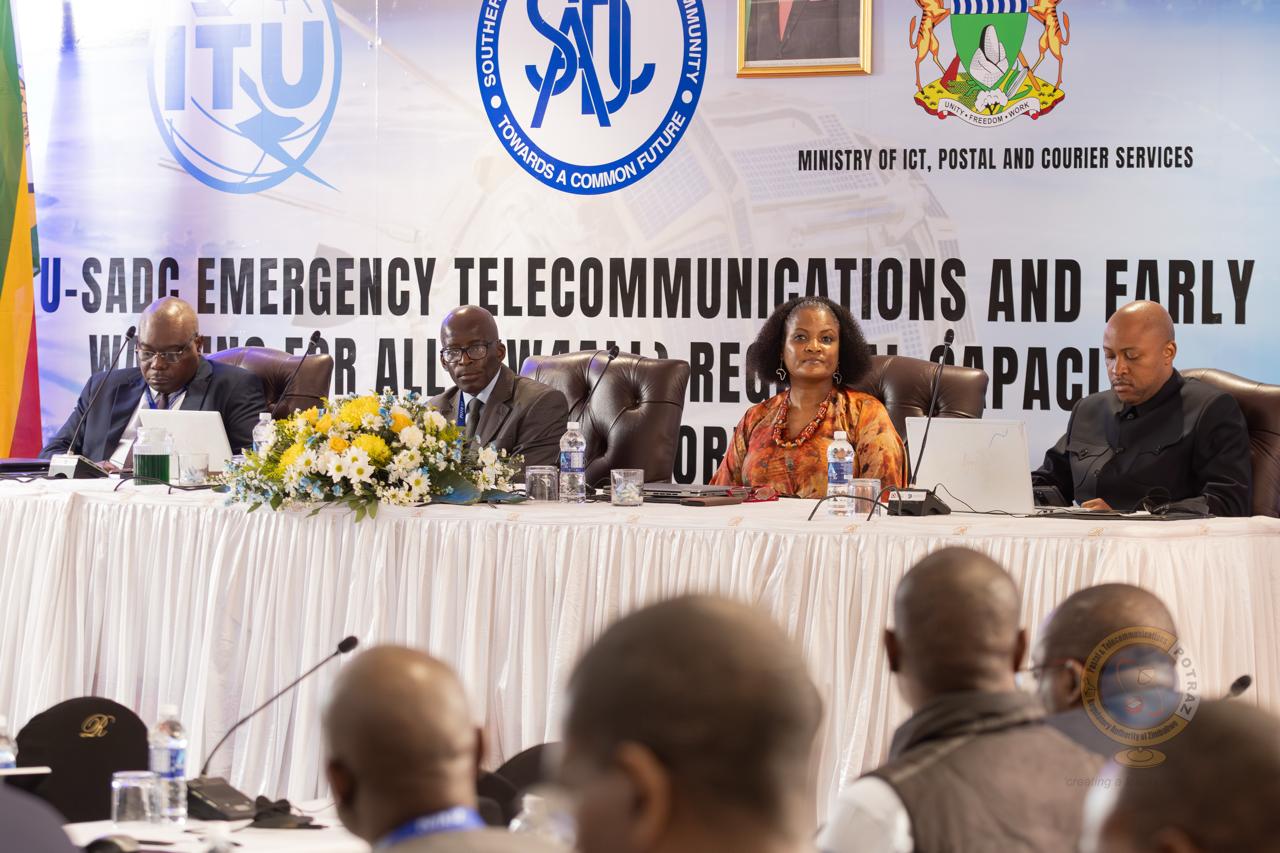
VICTORIA FALLS — On paper, it looks like a preparatory meeting. Delegates sitting around tables. Agendas to follow.
Resolutions to draft. A procedural exercise, no different from dozens of other gatherings that happen every year across the continent’s capital cities.
But Dr Gift Machengete, the Director General of POTRAZ wants everyone to understand something important.
This meeting is not routine.
“This meeting is not a routine procedural exercise,” the POTRAZ Director General declared at the opening of the Second African Preparatory Meeting for the ITU Plenipotentiary Conference 2026. “It is a purposeful gathering that reflects our shared responsibility and collective vision for an inclusive, innovative, and equitable digital future.”
The distinction matters because what is at stake at PP-26 — the supreme decision-making body of the International Telecommunication Union — is nothing less than Africa’s ability to shape the global digital landscape for the next decade and beyond.
Dr Machengete laid out the stakes with characteristic directness.
“It is imperative that Africa actively and effectively participates in ITU processes in order to safeguard its interests, promote equitable access, and ensure the sustainable and efficient use of global digital resources,” he said.
Behind that diplomatic language lies a hard reality. For decades, Africa has been a consumer of global digital policies rather than a creator of them. Decisions about spectrum allocation, satellite orbital slots, numbering resources, and technical standards have often been made in rooms where African voices were few or absent.
PP-26, which will bring together ITU member states from around the world, offers an opportunity to change that pattern. But only if Africa arrives prepared.
That preparation is precisely what the Second African Preparatory Meeting is designed to achieve.
“The ITU Plenipotentiary Conference 2026 presents Africa with a pivotal opportunity to strengthen its influence in shaping the future global digital landscape, particularly in emerging technologies and next-generation connectivity systems,” Dr Machengete said.
The meeting in Victoria Falls is the continent’s chance to build consensus, harmonise positions, agree on strategies, and reinforce the solidarity that will define African success at PP-26.
Dr Machengete was explicit about what success looks like.
“We want our people in the ITU Management Team – those elective positions. We want our people in the ITU Council.
“We want our people on the Radio Regulations Board. We want our people in key ITU Study Groups and Working Parties,” he said.
He emphasised that African presence in these structures is not about symbolism or prestige.
“It is strategic,” he said. “It ensures that Africa’s priorities, realities, and developmental aspirations are embedded in global decisions.”
The challenge, of course, is that African nations do not always agree. Different countries have different interests — on spectrum allocation, on satellite orbital positions, on funding mechanisms, on regulatory approaches.
The continent is not a monolith, and pretending otherwise would be counterproductive.
But Dr Machengete argued that coordination does not require complete uniformity. It requires a mechanism for finding common ground and a commitment to presenting that common ground effectively.
“By coordinating our positions and strategies into one, we enhance our influence in global negotiations, strengthen our collective bargaining power, and ensure that Africa’s priorities are clearly articulated, advanced, and defended,” he said.
The preparatory meeting in Victoria Falls is that mechanism.
Over the course of the gathering, delegates from across the continent are expected to review the key issues on the PP-26 agenda, identify areas of common interest, and develop coordinated strategies for advancing African priorities in the global negotiations.
It is not glamorous work. But Dr Machengete argued that it is essential.
“The future of the global digital economy will be shaped by those who are prepared, strategic, and united,” he said.
And preparation, he made clear, is not something that happens by accident. It happens in meetings like this one — meetings that may look routine from the outside but that carry the weight of a continent’s digital destiny on the inside.
As Dr Machengete concluded his address, he returned to the metaphor that had run through his remarks: the thunder of Victoria Falls, the mist of renewal, the flowing waters of momentum.
But the core message was simpler, starker, and more urgent.
Africa must prepare. Africa must unite. And Africa must act.
Because the world is not waiting.
About Author