

By Jonathan Mbiriyamveka
When Nobukhosi Ndlovu watched her late mother farm the rural soil to raise twelve children, she saw something that would shape the rest of her life: hard work that rarely got its fair reward.
“My mother would produce agricultural crops, but like many smallholder farmers, she struggled to find reliable markets for her produce,” Ndlovu recalls. “I saw firsthand how much effort went into farming and how little value farmers sometimes received for their hard work.”
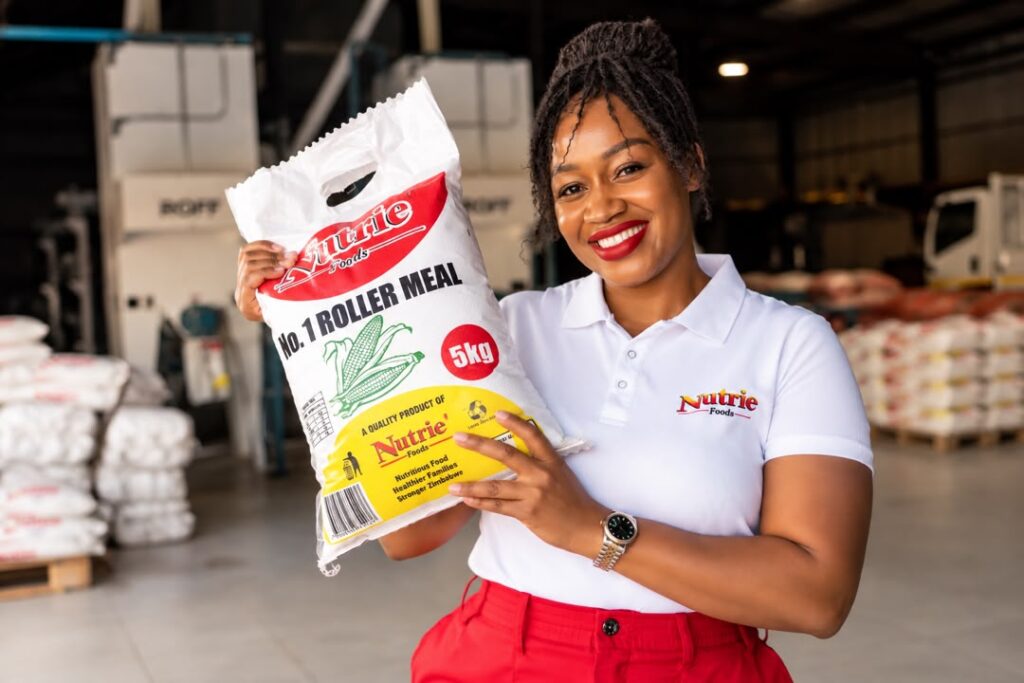
That memory became the seed of Nutrie Foods, the Zimbabwean food manufacturing company Ndlovu now runs as Founder and Managing Director—a business she describes, simply, as “a tribute to my mother.”

Nobunkosi Ndlovu
A Leap of Faith
Before Nutrie Foods, Ndlovu was an employed consultant advising other businesses on growth. But the pull to build something of her own—and something that mattered—proved stronger.
“I wanted to move beyond being a consultant advising businesses on growth and actually build something that could create economic opportunities for other people,” she says.
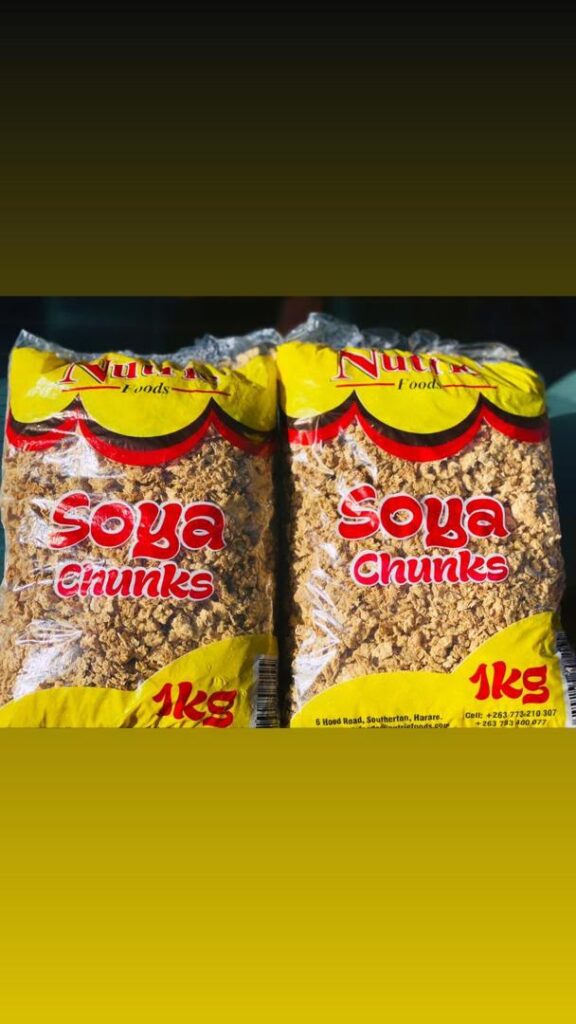
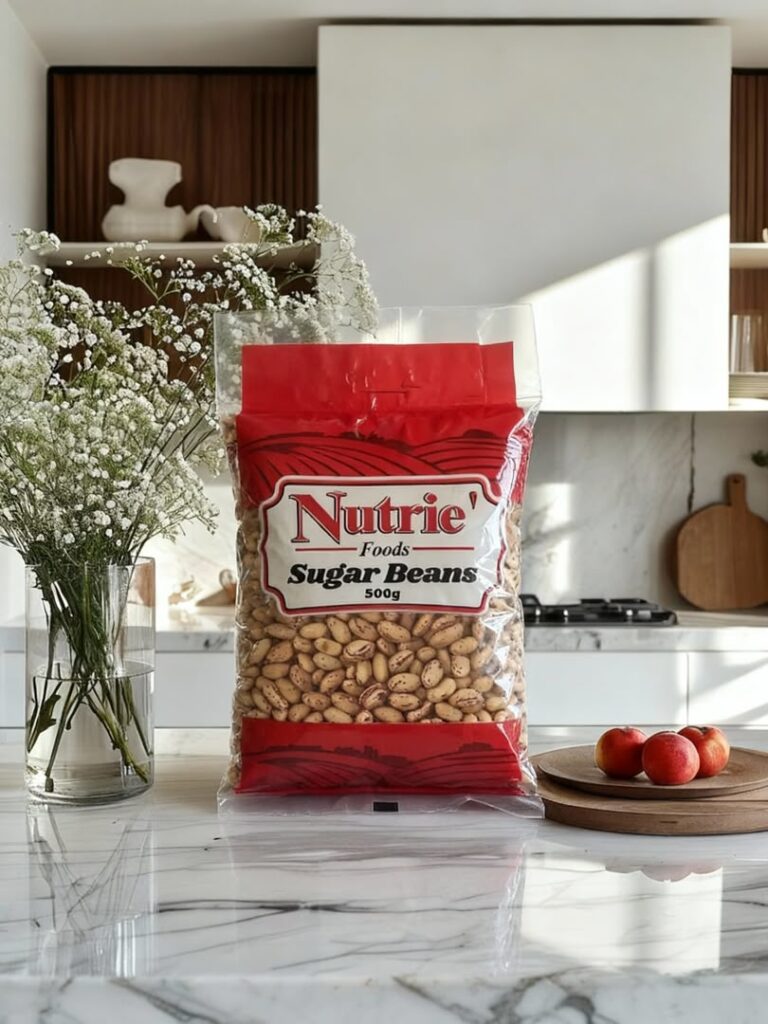
She started with peanut butter production and gradually expanded. Today, the Nutrie Foods range spans jam, parboiled rice, No. 1 Roller Meal, soya chunks, maputi, mixed fruit jam, sugar beans, pure honey and Kilombero white rice—products found on shelves through major retail and wholesale outlets across Zimbabwe.
“I remember watching her farm and produce crops, but there was always the question of where she would sell her produce and whether she would receive fair value for it.”

Breaking Ground in a Male-Dominated Industry
Manufacturing is capital-intensive, and Ndlovu admits the early days were hard: limited access to capital, small production capacity, and the challenge of convincing established retailers to take a chance on a new brand.
As a woman in a traditionally male-dominated sector, she also had to work harder to prove her technical and commercial understanding.
“I overcame these challenges through persistence, continuous learning, reinvesting in the business and building relationships,” she says—drawing on her background in Human Resources and Marketing Strategy, and later on international programmes including the Mandela Washington Fellowship, the International Visitor Leadership Program and the Brilliant Entrepreneurs Program in the Netherlands.
Her advice to anyone waiting for the right moment: “You cannot wait for perfect conditions. Sometimes you have to start with what you have, learn along the way and keep improving.”
5,000 Women, One Value Chain
At the heart of Nutrie Foods is its work with rural women farmers—around 5,000 of them through contract farming and agricultural partnerships.
The company’s collaboration with the Markets and Seeds Access Project (MASAP), which began in 2023, helped capacitate more than 2,000 farmers, building on earlier initiatives supporting rural women peanut farmers.
“Farmers need more than agricultural inputs and the ability to produce. They need a dependable market for their produce,” Ndlovu explains.
The impact, she says, goes well beyond income. “It is about her ability to contribute to school fees, improve household nutrition, access healthcare and participate more meaningfully in household decisions.”
“When you empower a woman, you are not empowering one individual alone. You are strengthening a household and potentially transforming the future of the next generation.”
Her choice to work specifically with women farmers is deeply personal. “I see my mother in many of the women we work with,” she says. “Our approach is therefore not about charity. It is about building a mutually beneficial commercial relationship.”
Redefining Empowerment
For Ndlovu, empowerment is about more than money—it is about confidence, skills and decision-making power.
“It is about a woman understanding her value, knowing her rights, having the confidence to negotiate and being able to participate in decisions that affect her life and future,” she says. “I want women to sit in boardrooms, own factories, negotiate major contracts, lead institutions and make investment decisions.”
She believes the barriers are clear: access to affordable finance, land, modern equipment, technology, skills and reliable markets—with collateral requirements often locking women out of traditional lending.
“Women should not only be viewed as beneficiaries of empowerment programmes. They must be recognised as manufacturers, investors, employers, suppliers and owners of businesses.”

Building a Legacy
Ndlovu’s proudest moments include watching Nutrie Foods grow from a small peanut butter operation into a diversified manufacturer, receiving the United States African Development Foundation Grant in 2016, and earning the ZNCC Women in Enterprise Award in the Manufacturing Category in 2017.
But the satisfaction that matters most is quieter.
“When I think about my mother and the challenges she faced as a rural farmer, and then look at what we are building through Nutrie Foods, I realise that we are contributing to addressing a problem that I witnessed growing up,” she says.
“I do not just want to build a successful business. I want to build a legacy.”
And her message to young women with an idea but no courage to start? “Give yourself as many chances as possible. You cannot discover what you are capable of achieving if you never give yourself the opportunity to try.”


About Author

