

By Jonathan Mbiriyamveka
UN Resident and Humanitarian Coordinator Mr Edward Kallon says the Human Development Report for 2023-2024 calls for improvement in the way countries go about international cooperation.
Speaking at the dialogue session of the 2023-2024 HDR on Tuesday, Mr Kallon said it made the case for addressing polarization and empowering people to feel more in control over their lives to safeguard collective future.
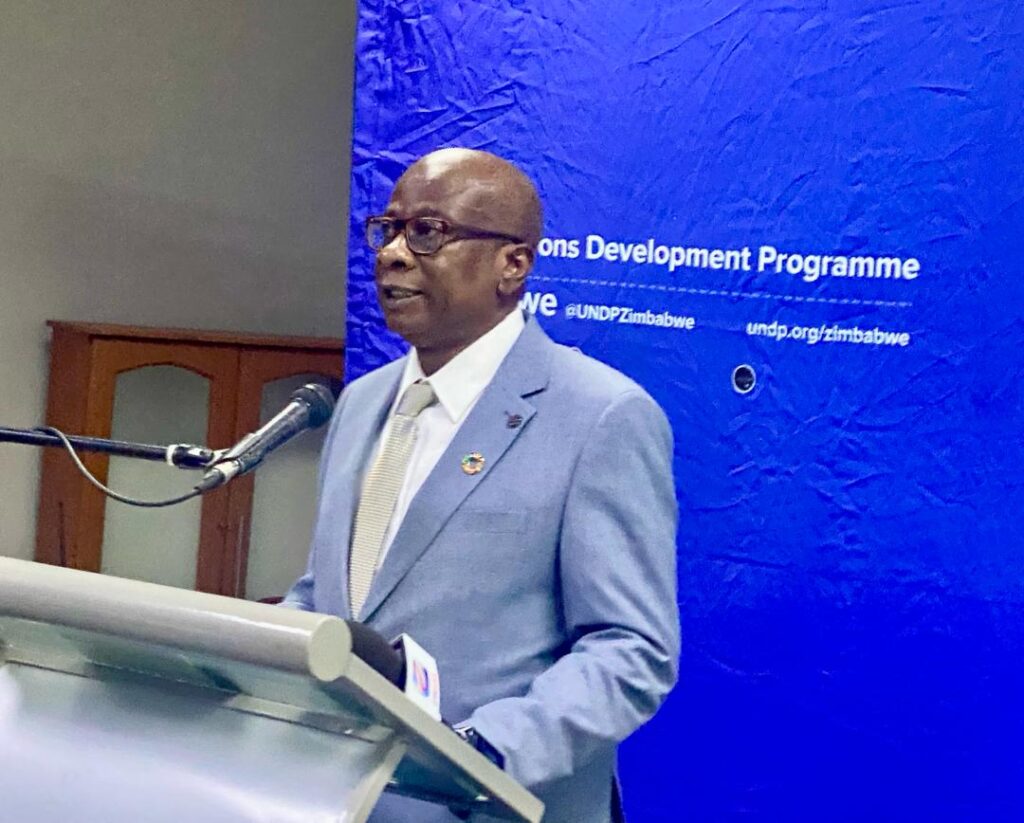
“The report underlines that we can do better than this. Better than runaway climate change and pandemics. Better than a spate of unconstitutional transfers of power amid a rising, globalizing tide of populism.
“Better than cascading human rights violations and unconscionable massacres of people in their homes and civic venues, in hospitals, schools and shelters,” he said.
After an unprecedented two-year decline, the 2023 global Human Development Index average estimate had reached a record level.
The United Nations Development Programme’s Human Development Report for 2023-2024, is titled ‘Breaking the Gridlock: Reimagining Cooperation in a Polarized World’.
Mr Kallon said the theme of the session was critical as it delves into the challenges of increasing polarization, populism, and conflict despite reaching record levels in the 2023 global Human Development Index.
“We’re witnessing increasing polarization, populism, nativism, exclusion, and conflict. The new Human Development Report analyses this paradox.
“The 2023-2024 HDR argues that the international community’s failure to act collectively on shared global challenges is both a cause and a consequence of increasing polarization, distrust, and conflict around the world.
“Progress feels harder to grasp, especially when planetary pressures are brought into view; our standard development measures are clearly missing some things,” Mr Kallon said.
He said one of the things may be the disempowerment of people—gaps in human agency—which was taking combined hits from new configurations of global complexity and interdependence, uncertainty, insecurity, and polarization.
“Polarization is different from disagreements in politics and tastes. Going beyond difference in opinions, it sorts people into different groups defined by one single group identity or political position coupled with animosity towards those with different viewpoints. It reduces differences in opinions to ‘us vs. them’ attitudes,” he said.
The HDR warns that inequality between groups of countries is rising after three decades of declining trends.
“This phenomenon is occurring at the same time when we’re experiencing severe climate disruptions, conflicts, and economic slowdown. Rising inequality may exacerbate our situation if we don’t take collective action on these mounting crises that affect us all,” he said.
About Author

