

Staff Writer
Government has received US$16.8 million to complement the ongoing drought mitigation and response efforts supported by the UN and Non-Governmental Organizations under the UN Flash Appeal.
The payout ceremony held Thursday amounting to approximately US$ 32 million also saw US$ 6.1 million being given to World Food Programme and US$9 million to Start Network.
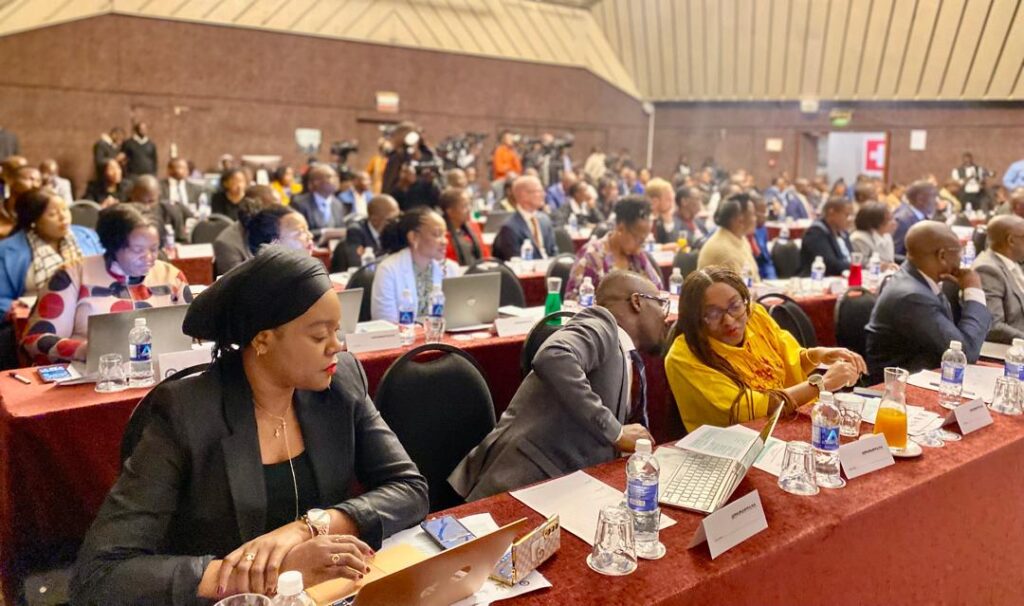
Speaking at the African Risk Capacity 2023/24 Drought Insurance Payout Ceremony, UN Resident and Humanitarian Coordinator Mr Edward Kallon said the ARC facility exemplifies the pivotal role of insurance in nurturing climate adaptation, resilience, and sustainable development within Africa’s agricultural sector.
“The significant economic damage inflicted by climate change on Africa in 2022, exceeding US$8.5 billion according to recent reports, underscores the urgent need for targeted climate insurance solutions and anticipatory action plans,” Mr Kallon said.
“Today’s ceremony underscores collective commitments to bolster resilience against climate-related hazards. By advocating for ARC’s innovative disaster risk management and financing strategies, there is scope to expand participation in ARC‘s risk financing mechanisms, urge the ratification of the ARC Treaty by the Government of Zimbabwe and other governments, and showcase the efficacy of collaboration among all stakeholders involved.”
Mr Kallon called for holistic Disaster Risk Management by equally investing in prevention, mitigation, vulnerability reduction and in creating better institutions for response.
“This will ensure that the residual risk can then be better managed with insurance.
“We must strengthen country ownership and leadership of the risk management process. This will require that insurance (ARC) is embedded in country strategies and national budgets. Within the country, this will require more political engagement to address the short-term incentives of political decision-making which is often mismatched with the longer-term perspective of insurance.
“We should continuously engage in strengthening DRM and Contingency Planning capacity. There is a need to broaden the participation of stakeholders involved within government especially given the routine and regular turnover of staff within the government civil service. We should also encourage more peer learning among the participating countries,” Mr Kallon said.
He said the UN System in Zimbabwe and its entities such as WFP were committed to play their role of convening and facilitating the scale up of investments for the People and Planet in support of Zimbabwe under the 2030 Agenda for Sustainable Development.
About Author

