By Jonathan Mbiriyamveka
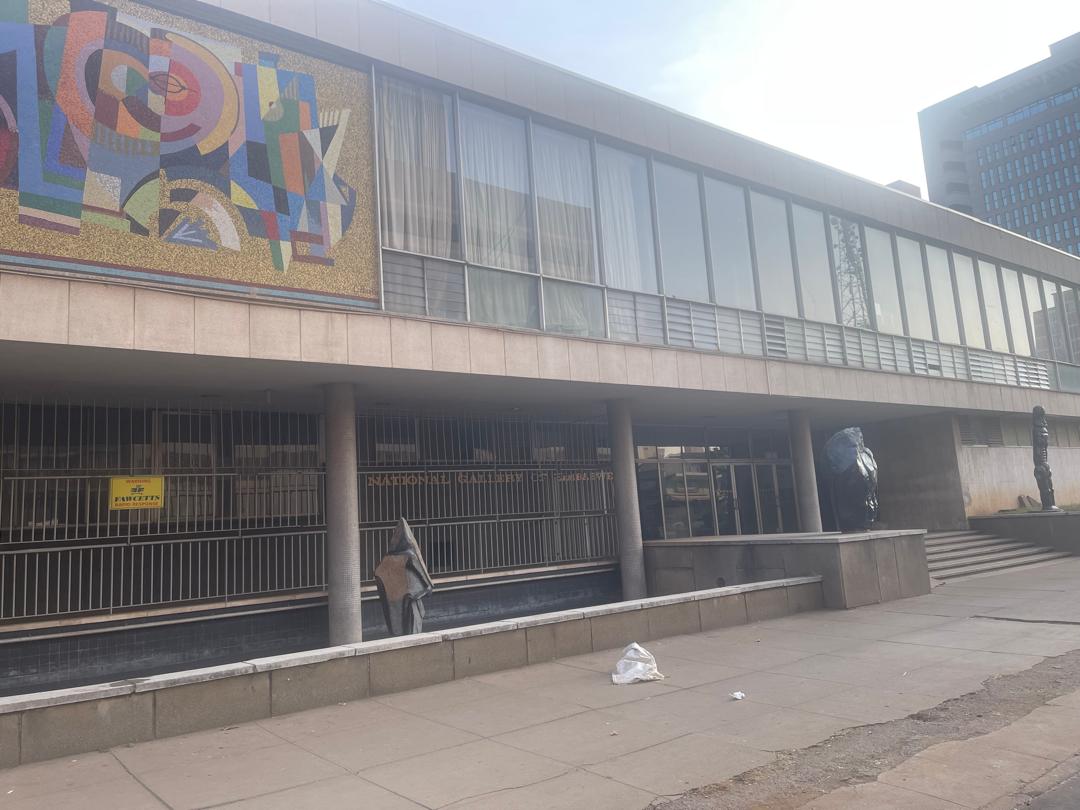
Harare – While international exhibitions and cultural diplomacy dominated headlines from the inaugural meeting of the National Gallery of Zimbabwe Board, a closer reading of Minister Anselem Nhamo Sanyatwe’s remarks reveals a deeper emphasis: governance.
Before outlining global ambitions, the Minister spent considerable time underscoring directors’ duties — integrity, due diligence, transparency, avoidance of conflicts of interest, and strict adherence to corporate governance principles.
He commended the National Gallery for maintaining a clean governance record, noting it had not been tainted by challenges that have affected some institutions within the sector and elsewhere. That record, he said, must be “jealously guarded.”
The emphasis suggests that government sees strong governance as the foundation upon which cultural growth and international credibility rest.
Cultural institutions worldwide increasingly operate within complex funding environments, often managing public resources, private sponsorships and international partnerships.
Any governance lapse can quickly erode public trust and damage reputations.
By stressing collective responsibility of the Board — distinguishing strategic oversight from day-to-day management — the Minister signaled an expectation of professionalized leadership aligned with national development priorities.
The message was clear: global recognition through CIMAM and Venice will mean little without ethical stewardship at home.
As Zimbabwe positions the National Gallery as a driver of economic growth and cultural diplomacy, the sustainability of that ambition may ultimately hinge not on artistic brilliance alone, but on accountability, transparency and institutional discipline.
About Author