By Jonathan Mbiriyamveka
Harare — Zimbabwe is turning its attention to an unlikely goldmine in its push for sustainable tourism: waste.
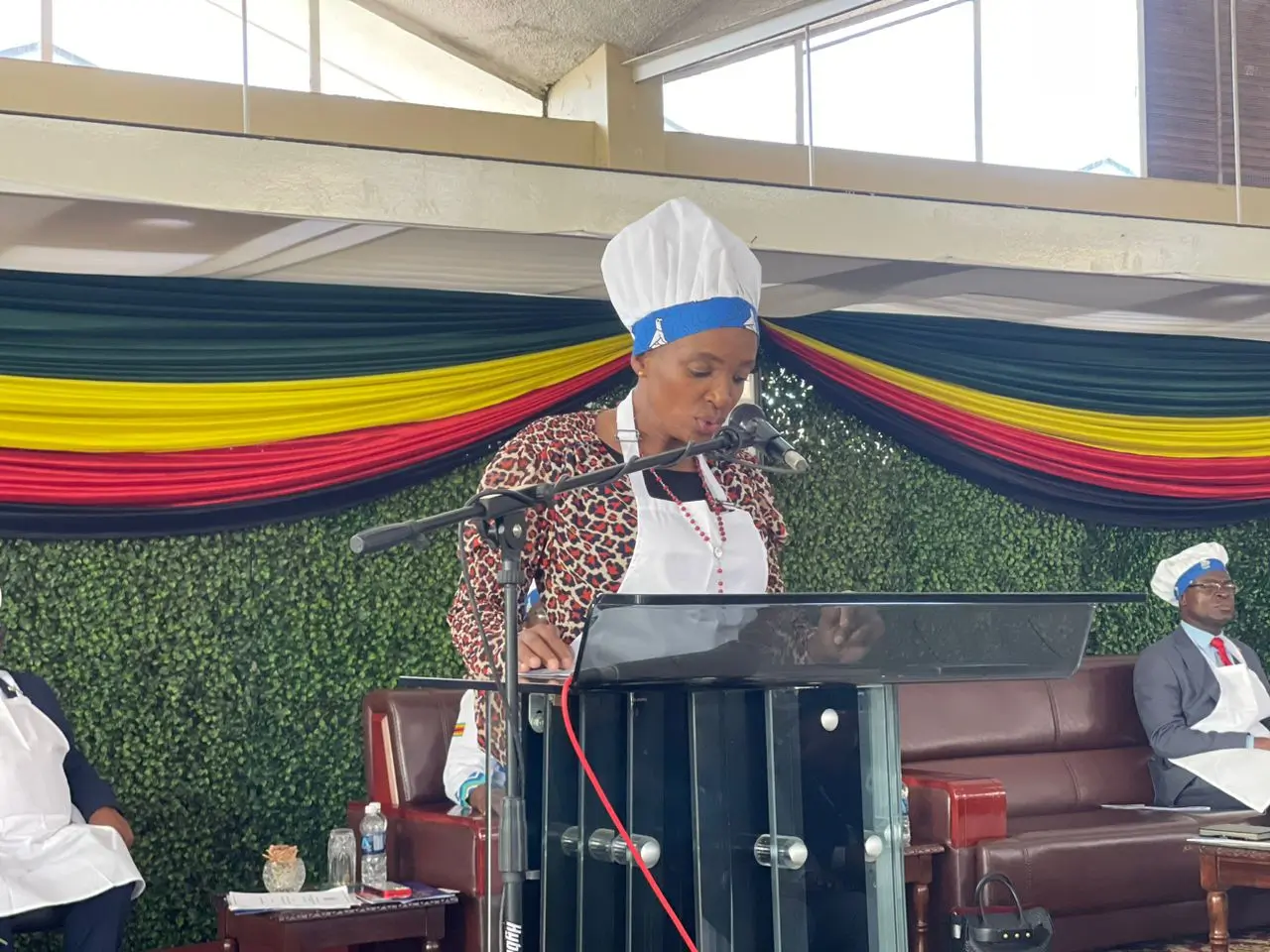
As the country ramps up preparations for the International Year of Sustainable and Resilient Tourism (IYSRT) 2027, the Minister of Tourism and Hospitality Industry, Hon. Barbara Rwodzi, has challenged the sector to embrace innovative waste-management solutions, positioning environmental stewardship and sustainable tourism as a major economic driver.
Speaking at the official unveiling of the 26-member National Committee tasked with coordinating the country’s IYSRT 2027 National Programme of Flagship Activities, Minister Rwodzi called for a paradigm shift in how the tourism industry handles its environmental footprint.
She specifically challenged stakeholders to explore converting organic waste into compost and to investigate waste-to-energy opportunities, transforming what is traditionally seen as a liability into a valuable asset.
The Green Economy Opportunity
For Zimbabwe’s tourism sector—which accounts for roughly 10% of the national GDP—the push for green infrastructure is both an environmental necessity and a strategic economic opportunity.
Hotels, restaurants, and resorts generate significant amounts of organic waste daily.
By diverting this waste from landfills and converting it into compost, the sector can support local agriculture, including the farm-to-market model championed by the First Lady, Dr. Auxillia Mnangagwa, Patron of Tourism.
More ambitiously, the exploration of waste-to-energy solutions could help tourism facilities reduce their reliance on the national grid, lower operational costs, and shrink their carbon footprint.
This aligns with the broader Vision 2030 and the National Development Strategy 2 (NDS2), which prioritize green infrastructure and climate resilience.
A National Imperative
The Minister’s call to action comes as Zimbabwe builds on its hosting of the 23rd UN Tourism Committee on Tourism and Sustainability meeting in Victoria Falls in April 2026.
At that global gathering, the IYSRT 2027 logo was unveiled, signaling a global consensus that tourism must evolve to survive climate shocks and environmental degradation.
Minister Rwodzi emphasized that the International Year must translate into tangible benefits beyond commemorative events.
Stronger tourism enterprises, environmental conservation, green infrastructure, improved destination resilience, and greater community participation are at the heart of this vision.
Inclusive Growth and Community Impact
Crucially, the green economy push is designed to be inclusive. The Minister highlighted that waste management and green infrastructure present significant economic opportunities for women and young people.
From establishing composting enterprises to developing small-scale recycling businesses, the sector can create jobs and empower communities.
Recognizing communities as the custodians of the country’s natural and cultural heritage, Minister Rwodzi stressed that tourism growth must deliver lasting economic, social, and environmental benefits, leaving no one and no place behind.
As Zimbabwe prepares to take the global stage in 2027, the message is clear: the future of tourism isn’t just about showcasing pristine landscapes and wildlife—it’s about building an industry that actively protects and regenerates the environment it depends on. And for Zimbabwe, that future may just start with a pile of compost.
About Author