

■ In 2025, Delta Corporation‘s non-alcoholic beverage portfolio contributed USD 473 million in
economic activity across its value chain in Zimbabwe.
■ Delta Corporation’s non-alcoholic beverage portfolio supported over 27,390 direct and indirect jobs
across retail, agriculture, manufacturing, and services.
■ Delta Corporation spent USD 94 million on goods and services from suppliers in Zimbabwe to support
the production and distribution of non-alcoholic beverages, strengthening local industries and
communities.
By Jonathan Mbiriyamveka
Harare – Delta Corporation in Zimbabwe today announced the results of a comprehensive economic impact study on its non-alcoholic beverages conducted by global consultancy Steward Redqueen.
“This independent study reaffirms Delta Corporation’s essential role in Zimbabwe’s economic growth, job creation, and community development,” said Matlhogonolo Valela, Chief Executive Officer of Delta Corporation.
The findings were shared at the 19th COMESA Business Forum in Harare.
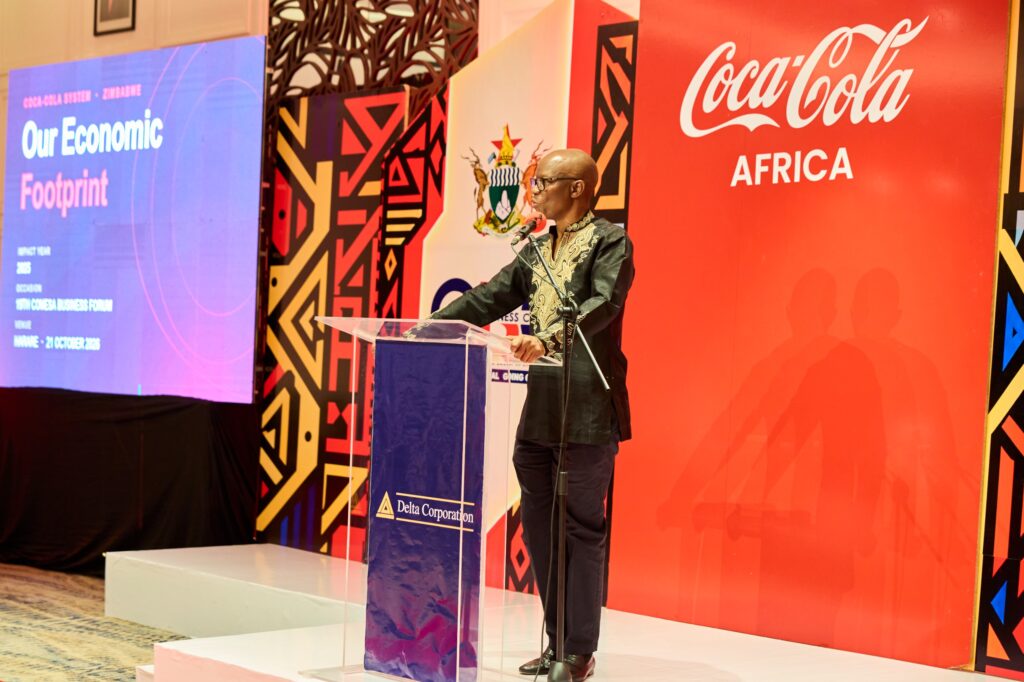
Delta Corporation CEO Matts Valela
The study, based on its production of non-alcoholic ready-to-drink beverages bearing Coca-Cola’s and Delta’s other brands, revealed that the company, along with a wide network of local suppliers, distributors, and retailers – contributed USD 473 million in total GDP impact in 2025.
Through its operations and value chain, Delta Corporation with its non-alcoholic business segment supported over 27,390 jobs, representing 0.5% of Zimbabwe’s total national employment. For every direct job at Delta Corporation, an additional 21 jobs were supported across the economy, highlighting the significant employment multiplier effect in this sector.
“Our business is deeply connected to Zimbabwe’s economy, and we are committed to hiring locally, sourcing locally, and producing locally. This allows us to be an integral part of the nation’s growth and ensures we continue delivering shared value for our partners and communities,” added Valela.
The report also underscores the company’s strong integration with Zimbabwean industries, driven by USD 94 million spent procuring goods and services from local suppliers in 2025.
These expenditures benefited industries ranging from agriculture (sugar and other raw materials) to packaging, logistics, and professional services, affirming its role as a significant economic contributor.
The study, conducted by Steward Redqueen, combined financial and operational data with trusted third-party economic data.
The analysis demonstrates how Delta Corporation’s activities create a cascading economic impact, from sugarcane fields to production plants and retail outlets, reinforcing the system’s position as a catalyst for sustainable growth in Zimbabwe.
“The findings of this study affirm our continued commitment to the nation’s economy, communities, and longterm growth,” Valela concluded.

About Author

