By Jonathan Mbiriyamveka
HARARE — As the 58th Annual Conference of the International Committee for Museums and Collections of Modern Art (CIMAM) officially came to a close, Zimbabwe bid farewell to international delegates—but not to the connections, conversations, and commitments forged over three historic days.
For the first time in its 64-year history, CIMAM held its annual conference in Africa. And for Zimbabwe, the legacy of that milestone is only just beginning.
A Platform for Global Dialogue
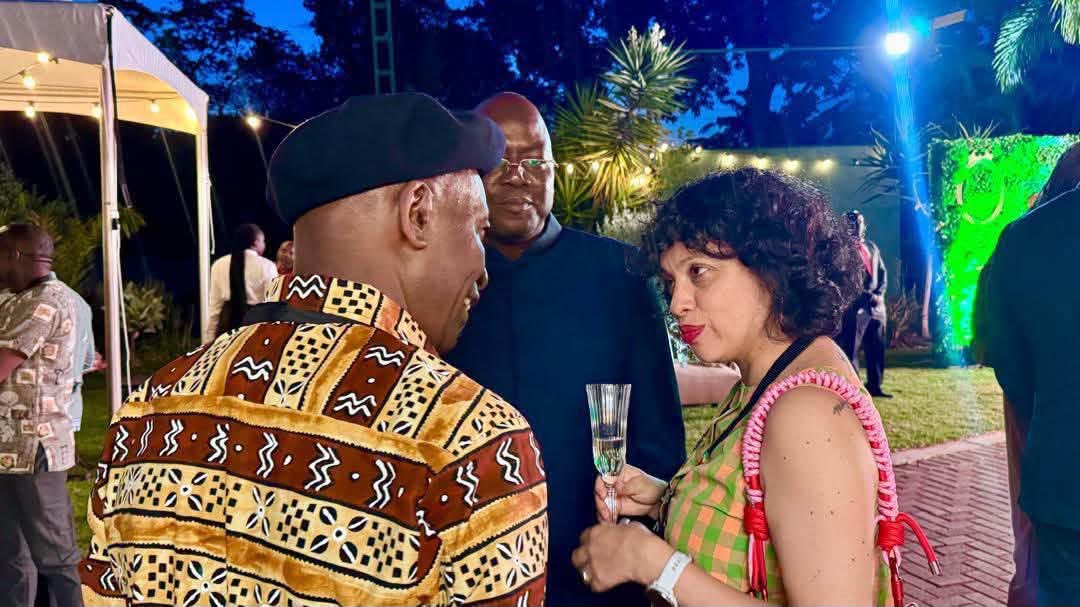
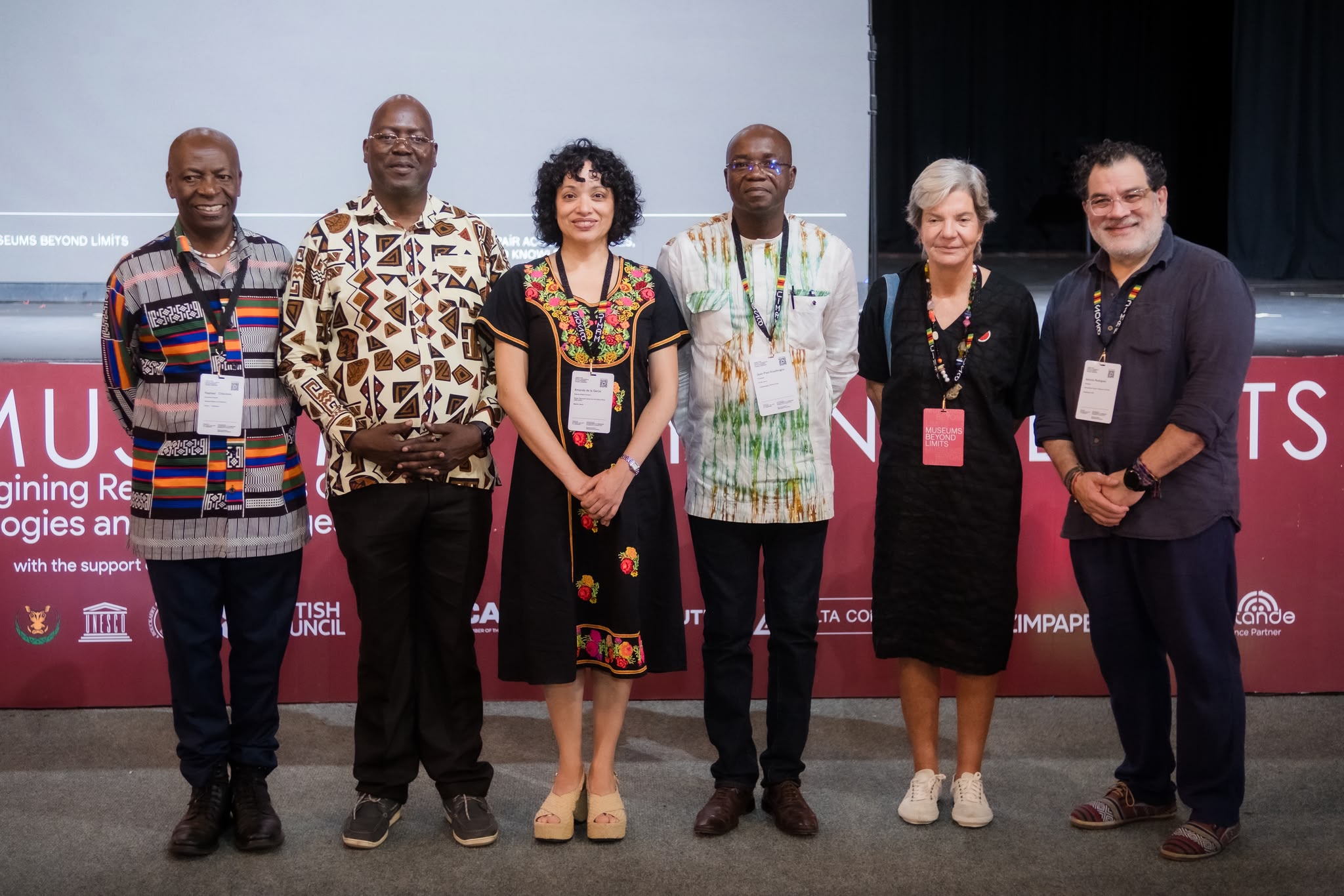
The conference, held at the Harare International Conference Centre and closed at the iconic Chapungu Sculpture Park, brought together museum directors, curators, artists, and cultural leaders from across the world.
Under the theme “Museums Beyond Limits: Imagining Repair Across Cultures, Ecologies and Knowledges,” delegates engaged in discussions on restitution, decolonisation, and the future of museum practice.
Addressing delegates at the closing ceremony, Secretary for Sport, Recreation, Arts and Culture, Mr Nicholas Moyo, urged them to translate the knowledge, insights, and networks established during the conference into meaningful partnerships, collaborative initiatives, and tangible outcomes for the creative sector.
“This conference has left an important legacy,” Moyo said. “But the true measure of its success will be what we do with what we have learned.”
Building a Creative Economy
Moyo reaffirmed the government’s commitment to building a vibrant, inclusive, and sustainable creative economy. He emphasised that Zimbabwe must move beyond simply preserving its artistic heritage to actively promoting, investing in, and commercialising its creative talent.
“Artists are not just custodians of cultural heritage—they are key contributors to economic growth, employment creation and national development,” he said.
The Secretary also challenged museums and galleries to embrace innovation, digital transformation, and community participation while strengthening the visibility and international recognition of Zimbabwe’s artistic heritage.
The Partnerships That Will Endure
For the National Gallery of Zimbabwe, the conference has already yielded tangible results. International partners including the Getty Foundation, UNESCO, and the British Council supported the participation of over 50 young African curators and museum professionals, many of whom were attending their first global conference.
These connections are expected to lead to future collaborations, exchanges, and opportunities for Zimbabwean artists and institutions.
“The networks we have built here will outlast this conference,” said Raphael Chikukwa, CEO of the National Gallery of Zimbabwe. “We are already discussing follow-up initiatives with several of our international partners.”
Positioning Zimbabwe as a Cultural Leader
As Zimbabwe bids farewell to the international delegates, the conference reinforces the country’s commitment to positioning culture and the creative industries as strategic drivers of national identity, investment, and sustainable economic development.
For Chikukwa, the legacy of CIMAM 2026 is not just about what happened in Harare—it is about what happens next.
“We have proven that Zimbabwe can host the world,” he said. “Now we must prove that Zimbabwe can lead the world.”
As the sun set over Chapungu Sculpture Park, and the delegates departed for their home countries, one thing was clear: the CIMAM legacy in Zimbabwe is not a closing chapter—it is an opening one.
About Author