

By Rudo Mandiro
Deep in the heart of Zimbabwe’s Kariba district, a dedicated conservationist is working tirelessly to reduce the human-wildlife conflict.
The founder of Wildlife Conservation Action (WCA) and a Wild Africa partner, Dr Moreangels Mbizah has been leading efforts in Kariba, Mbire, and Binga districts for the past five years, reshaping the relationship between people and Africa’s iconic predator.
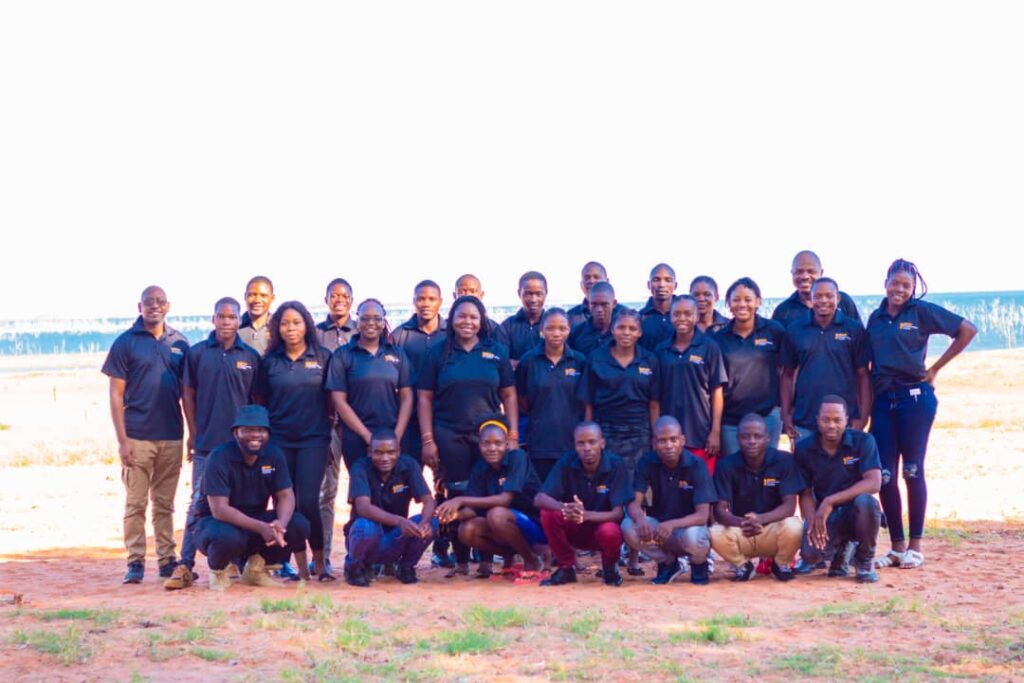
In an interview, Dr Moreangels spoke to the impact of WCA’s work, “Through innovative strategies and community involvement, we have witnessed a significant decrease in conflict incidents with lions, marking an important success for conservation in the region.”
Some of the major strides contributing to this success are the introduction of “Community Guardians”, a network of young men and women who act as first responders in human-wildlife conflict situations, and educators who are trained to mitigate livestock losses and protect both farmers and lions from harm.
These guardians are recruited from local communities, creating trust and rapport with those they aim to support.
By empowering community members and equipping them with the necessary knowledge and skills, Dr Moreangels ensures that conflicts are managed effectively and sustainably.
Dr Moreangels has also focused on engaging schools in the region through “Guidance of the Wild” environmental clubs.
These clubs foster a sense of responsibility towards wildlife and the environment and empower young people to protect their natural heritage.
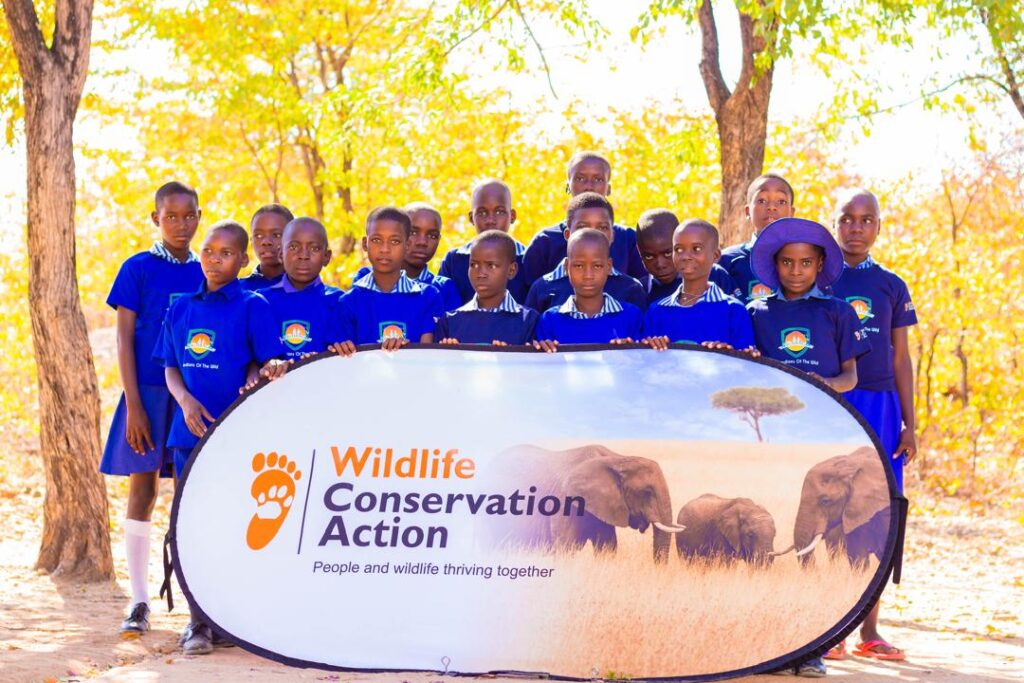
This knowledge not only benefits the students but also influences their families and communities, creating a ripple effect of conservation consciousness.
Dr Moreangels and WCA introduction of mobile predator-proof bomas to protect livestock has beenof immense importance to the community.
These innovative devices, built from opaque sheeting, are effective in protecting cattle and goats from lion attacks during the night.
Lions are visual hunters, so a single, solid-colour plastic sheet acts as a powerful and cost-effective deterrent.
The advantage of mobile bomas also lies in their versatility; they can be easily moved from one farm to another, providing protection where it is most needed.
Initiatives like those championed by the WCA are critical to support lions, a species which has lost 92 percent of its global historic range.
The lions are threatened by agricultural expansion, poaching for their bones and body parts, and loss of prey due to overhunting illegal snaring, lions are now extinct in many African countries, and as few as 20,000 are believed to remain in the wild.
This poses serious concern for our natural ecosystems, which are dependent on apex predators like lions to control prey populations and prevent overgrazing.
Wild Africa’s Southern Africa Director Guy Jenning said: “Communities need the help of organisations like WCA and others for them to live safely and successfully alongside wildlife.
“By empowering these communities to live with lions, and protecting their habitats, we could see this vital species restored and thriving in Zimbabwe. This would not only ensure their sustainability but would support wildlife tourism, creating jobs in the very areas experiencing these difficulties, and driving their local economies.”
About Author

