By Jonathan Mbiriyamveka
HARARE — For decades, Zimbabwe’s tourism pitch to the world has been anchored by the thunder of Mosi-oa-Tunya and the wildlife of Hwange until recently ZimBho Purple Bloom and Pink Ribbons
But in Harare this weekend, the government signaled a deliberate shift in strategy, using the elegance of horse racing and the seasonal beauty of Jacaranda trees to prove that the country’s tourism offering is far broader than its traditional postcards suggest.
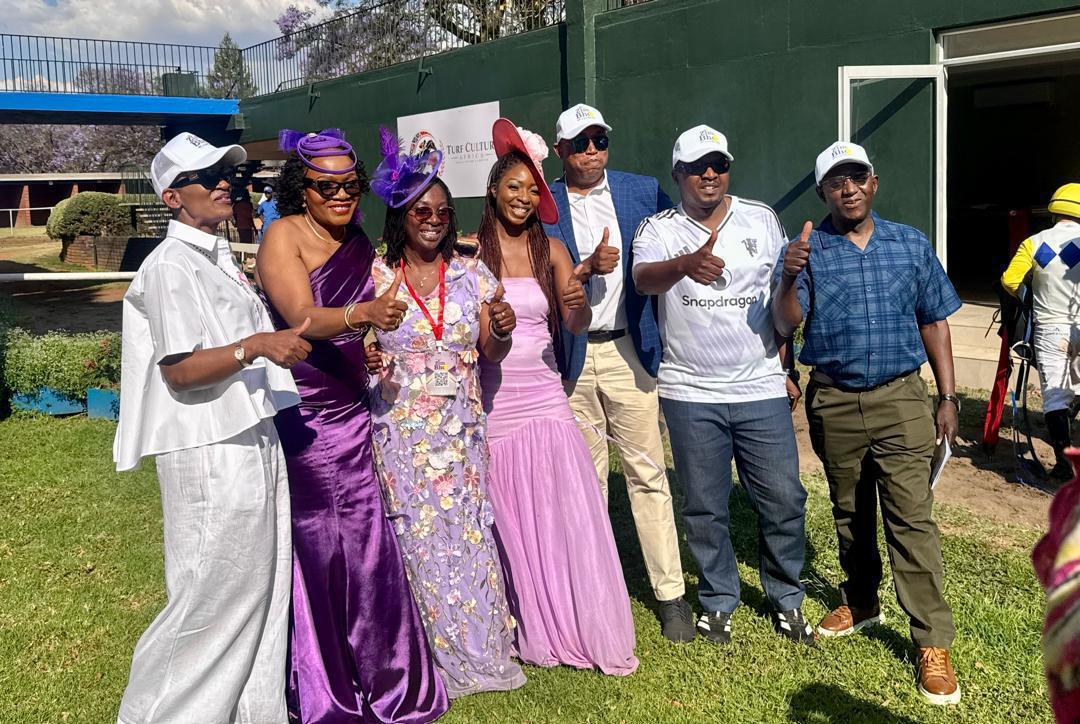
The inaugural ZimBho Purple Bloom and Pink Ribbons event, held at Borrowdale Racecourse and officially launched by the Minister of Tourism and Hospitality Industry, Hon. Barbara Rwodzi, was more than just a day at the races.

It was a strategic test case for a new vision: diversifying Zimbabwe’s tourism product by marrying sport, fashion, culture, gastronomy, and entertainment into a single, signature lifestyle experience.
Reviving heritage as a tourism product
Speaking at the launch, Minister Rwodzi commended Turf Culture Africa, the Mashonaland Turf Club, and Magitare Trust for partnering with the Ministry to breathe new life into the sport.
The initiative is part of a broader push to revive horse racing not just as a sporting event, but as a “Heritage-Based product”—a key pillar of the government’s plan to grow tourism into a US$10 billion economy by 2030.
The concept is designed to create a signature seasonal attraction. By capitalizing on Harare’s blooming Jacaranda trees—the inspiration behind the “Purple Bloom” theme—the event aims to position the capital as an attractive destination during the specific months when the city turns purple.
A fusion of sport, style, and social impact
The inaugural edition featured six horse races, headlined by the ZimBho Purple Bloom Cup and the CancerServe Pink Ribbon Cup.
The integration of the Pink Ribbon Cup was a deliberate move to weave social responsibility into the tourism experience, aligning the event with breast cancer awareness during the global Pink October campaign.
It demonstrated how tourism products can serve a dual purpose: driving economic activity while amplifying critical social messages.
The racing was complemented by an electrifying lineup of local talent, with performances by Jah Prayzah, Victor Kunonga, Feli Nandi, and Shami Tuku.
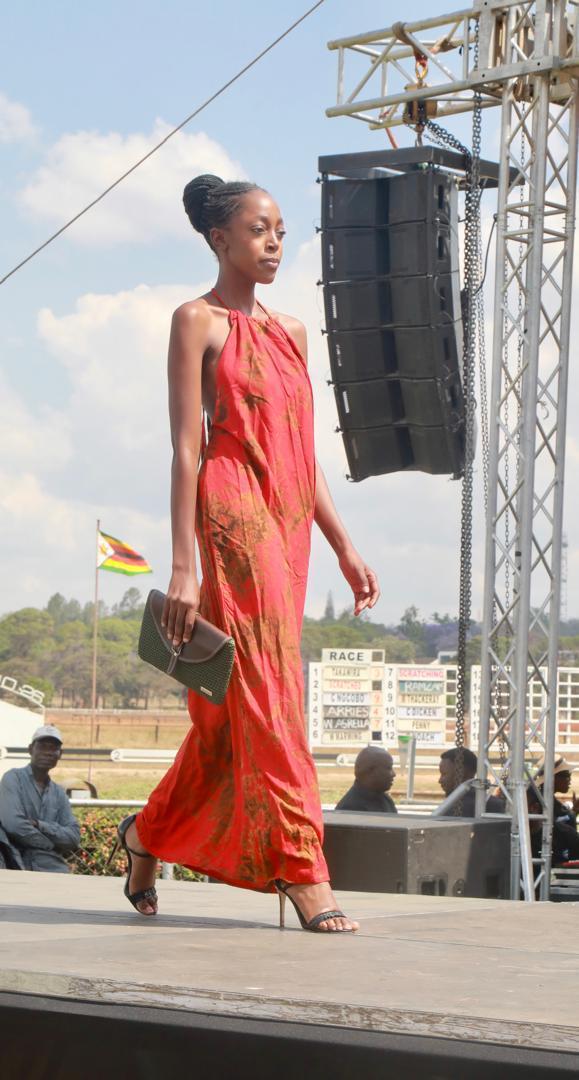
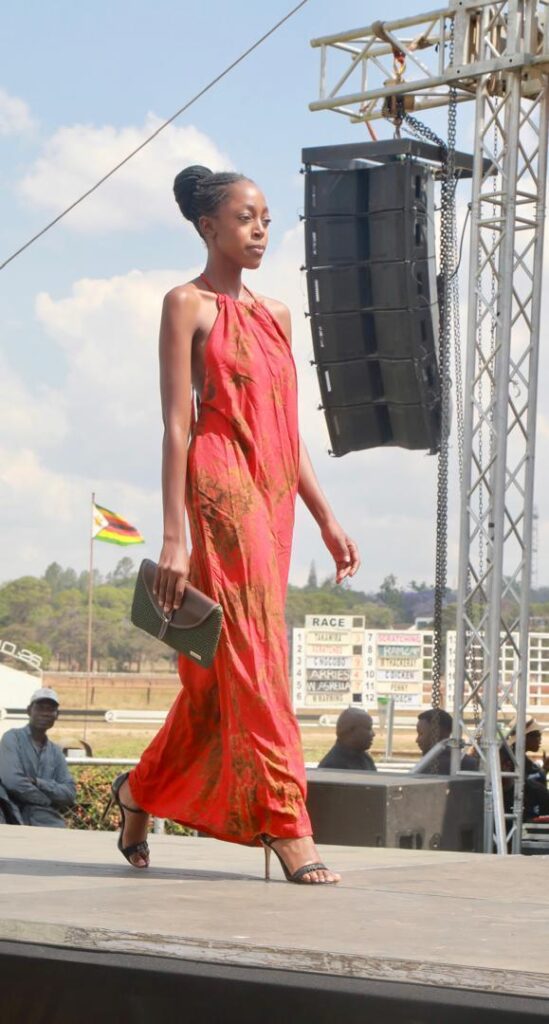
The combination of top-tier music, culinary experiences, and high fashion highlighted the potential of lifestyle events to stimulate local hospitality businesses and create employment opportunities.
Paving the way for domestic tourism
The ZimBho Purple Bloom event serves as an early precursor to the 2026 Domestic Tourism Festive Season Campaign.
The government’s strategy is increasingly reliant on the domestic market—not just to cushion the tourism sector against global economic shocks, but to build a sustainable base for the industry.
By creating attractive, localized experiences like the Purple Bloom race day, the Ministry is betting that Zimbabweans will choose to travel and spend within their own borders.

The road to 2030
The challenge now is whether this “signature experience” model can be replicated and sustained. The event successfully demonstrated the appetite for a different kind of Zimbabwean weekend—one defined by fashion, heritage, and music rather than a safari drive.
If successful, the revival of the turf as a lifestyle tourism product could serve as a blueprint for how the government and private sector can work together to diversify the national tourism product, moving beyond wildlife to build a more resilient and multifaceted industry.
#ExperienceZimbabwe
#NhakaYedu
#IlifaLethu
#OurHeritage
#ThisIsUs
#ZimBho
About Author