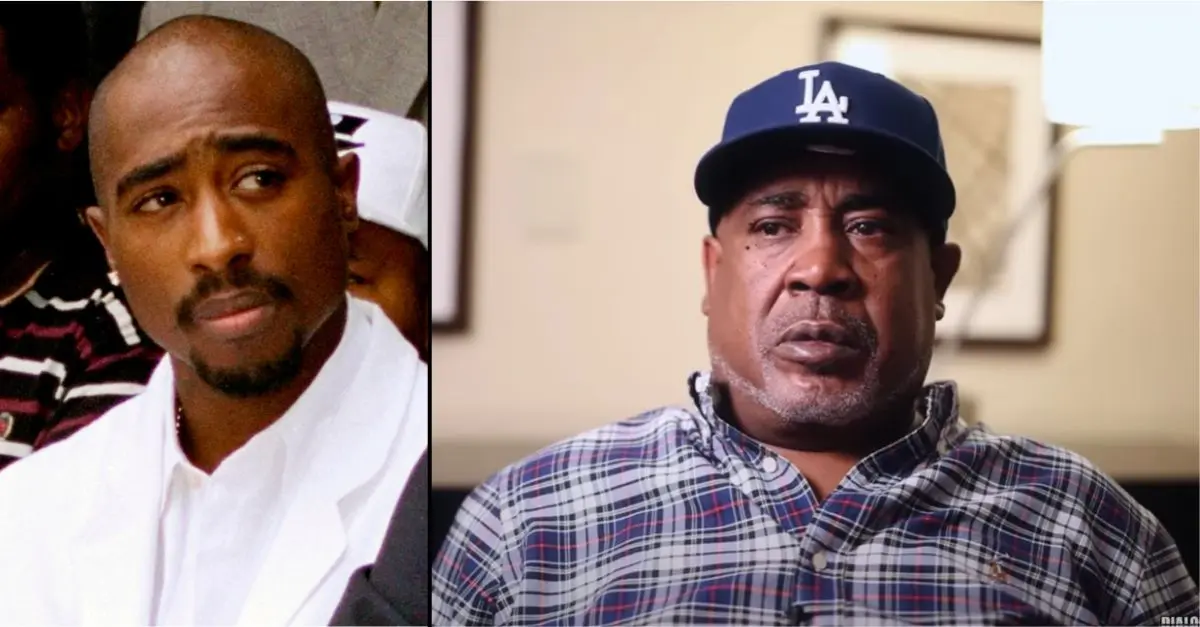
Nearly 30 years after Tupac Shakur was cut down in a hail of bullets on the Las Vegas Strip, witnesses have taken a jury back to the violent night that produced one of hip-hop’s most notorious cold cases.
The opening testimony in the murder trial of Duane “Keffe D” Davis reconstructed a world where gang rivalries bled into the booming rap industry, witnesses distrusted police and silence became an almost impenetrable barrier to investigators.
One eyewitness, Ingrid Stokes, described the eruption of gunfire and confusion around the September 7, 1996 shooting in stark terms: “All hell broke loose.”
Former Las Vegas police officer Garry Dale told the court he had stopped the black BMW carrying Shakur and Death Row Records boss Marion “Suge” Knight earlier that evening because it did not have a visible licence plate. Hours later, Dale responded to the shooting and encountered the same BMW, this time with Shakur critically wounded and Knight demanding officers help him.
Shakur, then 25, had been riding with Knight when a white Cadillac pulled alongside their BMW at a red light and gunfire erupted. The rapper was struck multiple times and died six days later.
At the centre of the trial is Davis, 63, a former South Side Compton Crips leader. Prosecutors do not accuse him of firing the fatal shots.
Instead, they allege he planned and facilitated the attack as revenge after Shakur and members of his entourage assaulted Davis’s nephew, Orlando “Baby Lane” Anderson, at the MGM Grand earlier that night.
The prosecution is leaning heavily on Davis’s own words, statements made to investigators, interviews and his 2019 memoir, to argue that the man who allegedly helped organise the killing ultimately helped resurrect the case against himself.
But Davis has pleaded not guilty, and his defence has attacked the prosecution’s version as “fiction,” arguing that his previous accounts should not be treated as reliable proof of murder.
Three decades later, the Tupac case is therefore no longer merely about who fired the gun.
It is about whether a killing buried beneath gang loyalty, fear, fading memories and years of silence can finally be proven beyond reasonable doubt, 30 years after the bullets stopped but the questions never did.— Dikang.
About Author