

By Jonathan Mbiriyamveka
UN Resident and Humanitarian Coordinator Mr Edward Kallon on Monday urged the media to promote inclusivity, amplify marginalized voices, and inspire citizen-driven solutions to development challenges.
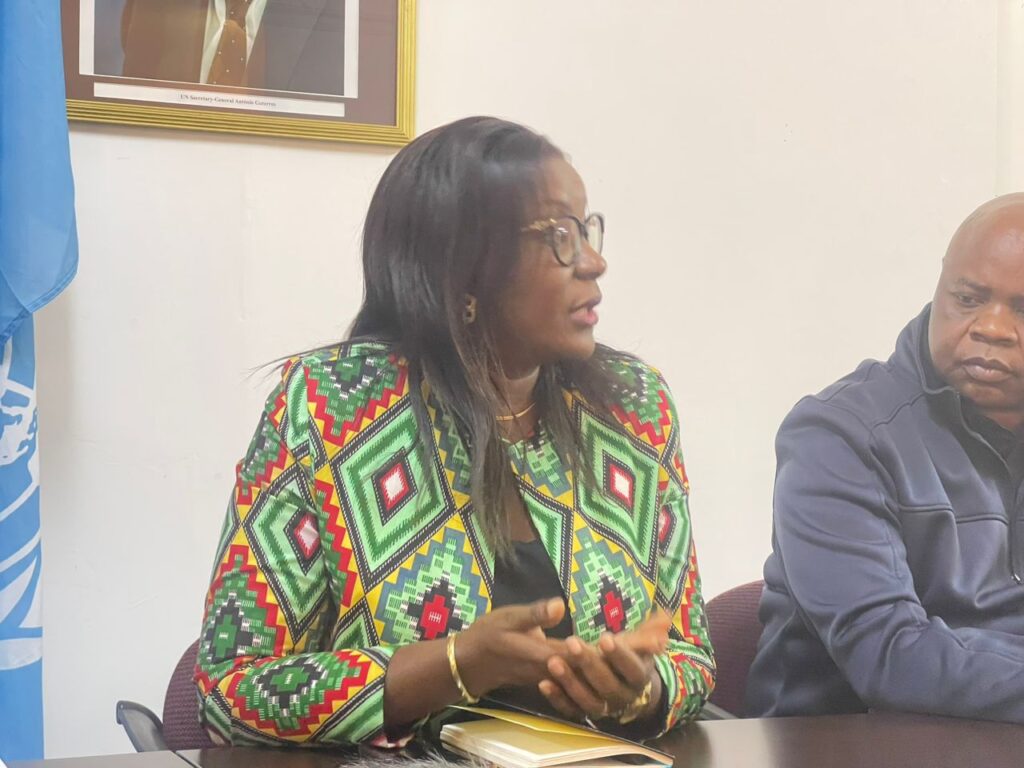
Speaking at the UN-Media Seminar on Development Reporting in Harare, Mr Edward Kallon highlighted the pivotal role of the media in advancing the 17 Sustainable Development Goals (SDGs).
The media’s ability to shape public opinion has never been more critical as Zimbabwe races to meet the 2030 Agenda for Sustainable Development.
Mr Kallon commended Zimbabwe’s diverse media landscape, which includes print, electronic, and digital platforms, for its contribution to national development.
He noted that accurate, timely, and objective reporting is essential for creating awareness, mobilizing public support, and holding stakeholders accountable.
“Media is a powerful tool for societal transformation,” Mr Kallon said, emphasizing its ability to influence attitudes, perceptions, and decision-making at both grassroots and national levels.
Zimbabwe faces numerous challenges, from poverty and hunger to climate change and gender inequality.
To address these, the media must raise awareness about government and UN-backed initiatives, such as the six transitions investment pathways focusing on food systems, renewable energy, and digital connectivity.
Mr Kallon stressed the need for journalists to remain professional and objective, as biased or sensational reporting can hinder national development efforts.
As part of the UN’s strategy, partnerships with the media will focus on increasing engagement with vulnerable communities, including women, children, and people with disabilities.
“Media freedom must be accompanied by responsibility,” Mr Kallon said.
Through strengthened partnerships and capacity-building initiatives, Zimbabwe’s media can play a leading role in driving the country closer to its SDG targets, ensuring no one is left behind in its pursuit of sustainable development.
About Author

